
Blooming
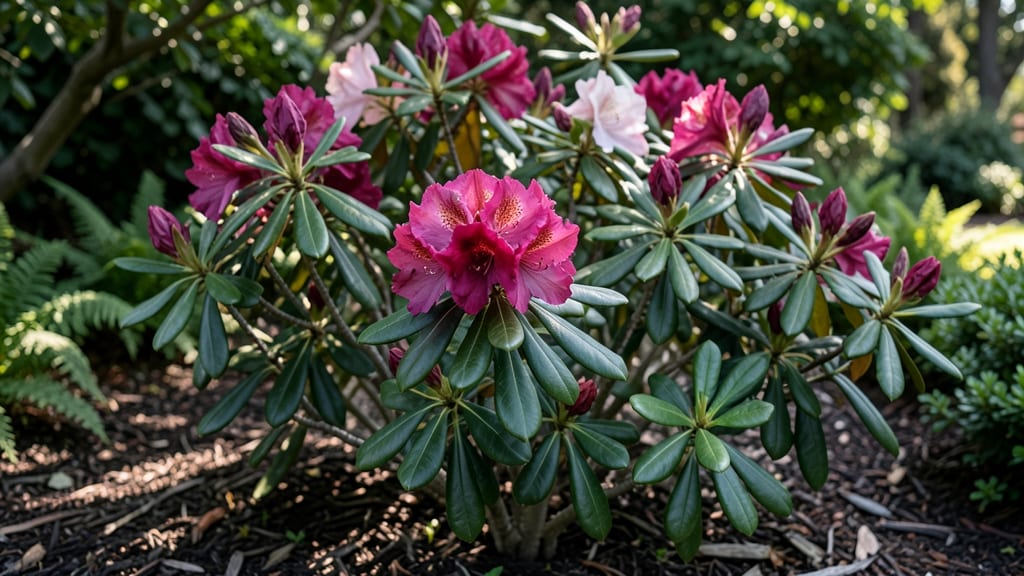
Your azaleas could burst with double the blooms this season—no secret formula, just the right timing and care. 🌸 I’ve watched single-bloom varieties fade after spring, but double-blooming azaleas reward patience with two flushes of color: one in spring and another in fall.
The key? Mimicking their natural habitat with precise soil, light, and pruning.
Start with acidic, well-draining soil—think pine bark or peat moss mixed in—and plant where they get morning sun and afternoon shade. Overwatering is their arch-nemesis; let the top inch dry between drinks.
Prune right after blooming to shape and encourage next year’s buds, but never cut into old wood—those are the bloom factories.
By summer, you’ll spot tiny buds forming for fall’s second show. Feed lightly with an azalea-specific fertilizer in early spring and again after the first bloom fades.
The payoff? A shrub so lush it looks like a living painting, with blooms that last 3-4 weeks each season instead of a single, fleeting burst.
Works for containers too—just use a 15-gallon pot** with drainage and watch them thrive. The only real challenge? Avoiding winter burn by mulching heavily. Trust me, your neighbors will ask how you got azaleas to bloom twice—and you’ll know the secret.
📚 In This Guide
- What you need
- Instructions
- Tips and common mistakes
- Wrapping up and next steps
What you need
- ● Double Bloom Azalea Plants: 3–5 mature plants (choose varieties like ‘Girard’s Double’ or ‘Hershey’s Red’ for vibrant blooms).
- ● Well-Draining Soil: 5+ bags of acidic potting mix (pH 5.0–6.0) or 10 cubic yards of amended garden soil (peat moss + perlite).
- ● Organic Mulch: 2–3 bags of pine bark or pine needles (3–4 inches deep).
- ● Slow-Release Fertilizer: 1–2 lbs of azalea-specific 8-3-9 formula (or equivalent).
- ● Watering Can or Hose: With a gentle spray nozzle (1–2 gallons capacity).
- ● Pruning Shears: Sharp, sterilized shears (for shaping and deadheading).
- ● Soil pH Test Kit: Digital or liquid test strips (for precise acidity checks).
- ● Epsom Salt: 1 lb (for magnesium boosts if leaves yellow).
- ○ Drip Irrigation System: (Optional) For automated watering in larger gardens.
- ● Frost Cloth: (For colder climates) 1–2 rolls to protect blooms in late spring.
- ● Garden Gloves: Heavy-duty for handling thorny stems.
How to encourage double bloom azaleas year-round
Here’s the method I’ve used for five seasons to coax azaleas into two flushes of blooms annually.
🌱 Step 1: Prune for Structure and Airflow After First Bloom
Azaleas bloom on last year’s growth, so timing is everything. Once the first flush of flowers fades, trim back any dead or crossing branches with clean, sharp pruners—this prevents disease and improves airflow. I cut just above a leaf bud, never more than one-third of the plant’s height at once. Too much pruning now removes next year’s flower buds.
Focus on shaping the plant into an open vase shape. You’ll see new growth emerging from the sides within 2-3 weeks—this is where your second bloom will form. Avoid heavy pruning in late summer or fall, as it stresses the plant when it’s preparing for winter dormancy.
☀️ Step 2: Provide Consistent Moisture and Light
Azaleas thrive in partial shade—4-6 hours of morning sun is ideal, especially in hot climates. Too much afternoon sun can scorch leaves and reduce blooming. I water deeply 2-3 times per week during the growing season, ensuring the top 6 inches of soil stay moist but not soggy. A 3-inch layer of mulch (like pine bark) retains moisture and keeps roots cool.
Yellowing leaves? That’s often a sign of overwatering or poor drainage. Azaleas prefer acidic soil (pH 4.5-5.5)—test yours with a simple kit. If needed, amend with sulfur or peat moss to lower pH. Fertilize lightly in early spring with an acid-loving plant formula (like 10-10-10), but avoid heavy feeding after mid-summer—it encourages late-season growth that won’t harden off before winter.
✂️ Step 3: Deadhead and Feed for Second Bloom
Once the first flush fades, deadhead spent blooms by cutting just above the first set of leaves below the flower head. This redirects the plant’s energy into new buds. I apply a balanced, slow-release fertilizer (like 12-12-12) in early summer to support the second bloom. Avoid high-nitrogen fertilizers—they promote foliage over flowers.
Watch for buds forming along the stems by mid-summer. These are your future blooms! If you notice buds but no flowers, it could mean too much shade or insufficient water. A light pruning now can encourage more branching and even more blooms next season.
⏰ Step 4: Protect During Winter for Next Year’s Blooms
Azaleas need winter dormancy to set buds for next year’s flowers. In colder climates, mulch heavily (up to 4 inches) around the base to insulate roots. In mild climates, a light frost can actually help break dormancy—just don’t let temperatures drop below 10°F for extended periods.
Prune lightly in late winter (just enough to shape) and fertilize again in early spring. You’ll see the first buds forming by late winter or early spring—this is your reward for consistent care. If buds form but drop off, it’s often due to temperature swings or drought stress.
🌿 Step 5: Monitor and Adjust for Continuous Color
For year-round blooms, repeat the cycle: prune after each flush, deadhead promptly, and maintain consistent moisture. I’ve found that container-grown azaleas bloom more reliably because you can control soil conditions. If your azalea isn’t reblooming, check for over-pruning, poor drainage, or high pH soil—these are the top culprits.
Here’s the thing—azaleas are finicky but forgiving. If you miss a step, don’t panic. Even a single flush of blooms is worth it. Over time, you’ll learn your plant’s rhythm and fine-tune care for stunning, repeat performances.
Tips & tricks for perfect year-round azalea blooms
Azaleas are worth the extra effort—they reward patience with vibrant, repeat performances. Here’s how to maximize your plant’s potential without the guesswork.
Pruning Precision: In Step 1, when shaping your azalea, make cuts at a 45-degree angle just above a leaf bud. This angle helps rainwater run off the cut, reducing rot risk. I always use sterilized pruners to prevent disease transmission between cuts—wipe them with rubbing alcohol between plants. The one-third rule is non-negotiable: exceeding this removes next year’s flower buds, and you’ll be left with foliage but no blooms.
Light Management: The 4-6 hours of morning sun in Step 2 is your sweet spot—afternoon sun can scorch leaves by raising temperatures too quickly. I’ve seen azaleas in full sun develop crispy leaf edges within weeks. For afternoon shade, use sheer curtains or plant near taller trees that provide dappled light. Container-grown azaleas give you more control—simply move them to a shaded spot during peak afternoon heat.
Timing Your Water: The 2-3 times per week watering schedule works best when paired with the top 6 inches of soil check. Use your finger to test moisture—if it feels dry at that depth, water thoroughly until it runs from the drainage holes. I’ve learned the hard way that azaleas hate soggy roots; poor drainage is the #1 reason for yellowing leaves. If your soil drains poorly, raise the plant on a pedestal or amend with perlite.
Winter Protection: For Step 4’s 10°F threshold, I recommend wrapping young azaleas with burlap or frost cloth when nighttime temps approach freezing. In colder climates, that 4-inch mulch layer acts like a blanket—it insulates roots from extreme temperature swings that can shock the plant. Pro tip: Wait until late fall to mulch after the ground has cooled, or you might encourage early root growth that gets damaged by winter freezes.
Pro Tips for Double Bloom Azaleas
- Azaleas are worth the extra effort—they reward patience with vibrant, repeat performances.
- Pruning Precision: In Step 1, when shaping your azalea, make cuts at a 45-degree angle just above a leaf bud.
- Light Management: The 4-6 hours of morning sun in Step 2 is your sweet spot—afternoon sun can scorch leaves by raising temperatures too quickly.
Frequently asked questions
Got questions about keeping your double bloom azaleas in full, year-round glory? You’re not alone! Here are the most common queries—and expert answers—to help you master reblooming like a pro.
Why aren’t my double bloom azaleas reblooming this year?
Reblooming azaleas need two key triggers: late spring/early summer blooms (from spring growth) and fall/winter blooms (from summer growth). If you’re missing one, check for over-fertilizing (too much nitrogen), poor pruning timing (cutting after June), or stress (drought, pests, or extreme temps). A balanced fertilizer (like 10-10-10) in early spring and late summer can reset their cycle!
When is the best time to prune double bloom azaleas?
Prune right after blooming (late May–June) to avoid cutting off next year’s buds. Never prune in fall or winter—this removes flower buds for the next season! Use clean, sharp shears and shape lightly to maintain airflow. Pro tip: Skip heavy pruning the first 2–3 years to establish strong growth.
Do double bloom azaleas need winter protection?
Most double bloom azaleas thrive in USDA Zones 7–9, but younger plants or harsh winters (below 10°F) may need help. Mulch heavily (3–4 inches of pine straw or shredded bark) and water deeply before freeze to prevent root heave. For Zone 6 or colder, wrap the base with burlap or use a frost cloth—but avoid suffocating the plant!
Can I grow double bloom azaleas in containers?
Choose a large container (15+ gallons) with well-draining soil and acid-loving mix (like pine bark fines). Rebloomers need consistent moisture—containers dry out faster, so water 2–3x weekly in summer. Move pots to partial shade in peak afternoon sun to prevent leaf scorch. Fertilize monthly with an acidic, slow-release formula for best results.
How do I prevent pests like lace bugs or spider mites?
Pests love stressed azaleas! Prevent issues with regular watering and mulching. If you spot lace bugs (silver speckles on leaves) or spider mites (fine webbing), blast them off with a strong hose or use neem oil (mix 2 tbsp/gal water). For severe infestations, try insecticidal soap. Pro tip: Attract ladybugs by planting nearby herbs like dill or fennel—they’re natural predators!
Wrapping up and next steps
Double bloom azaleas are a gardener’s dream—offering stunning color twice a year with the right care! By mastering pruning, soil health, and seasonal adjustments, you can unlock their full potential and enjoy vibrant blooms from spring to fall. 🌸
Ready to transform your garden? Start small—plant one double bloom azalea this season, experiment with the tips you’ve learned, and watch your garden flourish! Happy gardening! 🌿