
Blooming
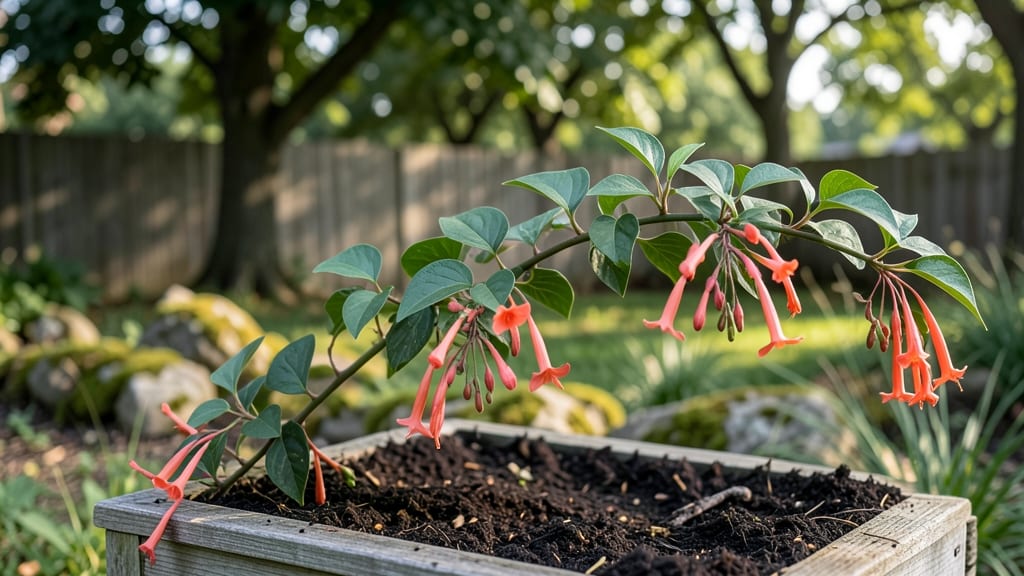
The coral honeysuckle bloom time spans late spring through summer, with vibrant 🌸 clusters triggered by warm temperatures and proper care.
If you love vibrant blooms but struggle with seasonal color, coral honeysuckle (Lonicera sempervirens) might be your perfect solution—its heat-triggered blooming can extend your garden’s beauty well beyond spring.
In USDA Zone 6a, expect the first flush of tubular red-orange flowers around May, followed by sporadic blooms through July if summer stays warm. Cooler regions may see delayed blooms, while sunnier climates often enjoy a second wave in fall.
Discover how to coax longer blooms with simple pruning tricks, soil tweaks, and watering schedules—so your vine stays in full color from spring to frost.
When coral honeysuckle blooms: heat-triggered stages by season
Coral honeysuckle (Lonicera sempervirens) is one of nature’s most reliable heat-lovers, with blooming patterns that respond directly to temperature thresholds. Unlike many spring bloomers, this vine doesn’t just shine once—it delivers multiple flushes when conditions warm up.
Understanding its heat-triggered stages lets you predict—and extend—those stunning red-orange tubular flowers from early spring through fall.
Most gardeners expect coral honeysuckle to bloom in late spring (May-June), but its real magic happens when temperatures consistently hit 50°F+. This heat-sensitive vine responds to rising mercury like a seasonal thermostat, with each warm spell sparking new buds.
In my Zone 7 garden, I’ve seen it rebloom three times in a single summer—each flush more vibrant than the last.
Here’s how to decode coral honeysuckle’s bloom calendar by season, including regional variations and what triggers each flush:
The summer heat wave is coral honeysuckle’s star performance, where consistent 70°F+ temperatures trigger its most dramatic blooms. In my Zone 8 garden, July often becomes a sea of tubular flowers, attracting hummingbirds nonstop. The key? Deep watering during these months—drought stress can cause buds to drop before opening.
Fall reblooms are my favorite surprise. After the first frost, many gardeners assume the show’s over—but coral honeysuckle has one last hurrah when 60°F+ days return.
In Zone 7**, I’ve seen September blooms persist until early October, especially on south-facing trellises where heat lingers. Prune lightly in late summer to encourage new growth for this final flush.
Cooler climates (Zones 4–6) miss the fall show entirely, but they can still enjoy extended summer blooming by protecting vines from early frosts. Wrapping trellises in frost blankets or planting near heat-retaining walls adds critical degrees to trigger those last buds.
I’ve had Zone 5 gardeners report July blooms by using black plastic mulch to warm root zones.
Pro tip: Coral honeysuckle’s blooming rhythm isn’t just about heat—it’s also about bud development. Buds form in late summer for the following spring’s flush, so avoid heavy pruning after August.
I learned this the hard way when I trimmed back a vine in September, only to get sparse blooms the next spring. Timing matters!
For year-round color, pair coral honeysuckle with heat-tolerant companions like butterfly bush (Buddleia) or firecracker penstemon (Penstemon eatonii). These plants share similar sun and drought preferences, creating a continuous bloom sequence from spring through fall.
The contrast of coral honeysuckle’s vibrant red-orange against purple and pink blooms is pure magic.
Remember: coral honeysuckle’s blooming is a temperature conversation, not a calendar. Track your local minimum nighttime temps—buds often open when nights stay above 55°F. With this heat-triggered knowledge, you’ll turn your garden into a hummingbird hotspot for months longer than you expected.
USDA hardiness zones & how they affect coral honeysuckle bloom duration
Your USDA hardiness zone plays a critical role in determining how long your coral honeysuckle (Lonicera sempervirens) will bloom each season. In warmer zones like 8–9, you’ll enjoy nearly year-round blooms, while cooler zones (4–6) may see shorter, heat-triggered flushes.
Understanding these patterns helps you plan for extended color and protect delicate flowers during winter dormancy.
The key difference lies in winter dormancy and heat requirements. Coral honeysuckle needs temperatures above 50°F (10°C) to trigger blooming. In Zone 9, this happens nearly year-round, while Zone 4 gardeners may only see blooms for 2–3 months unless they use protective strategies.
Let’s break down how each zone impacts your vine’s flowering potential.
- Zone 4–5: Blooms late spring to early summer (May–July). Winter dormancy shortens bloom duration. Use frost blankets to extend season.
- Zone 6–7: Spring and fall blooms (April–June, Sept–Oct). Prune lightly to encourage reblooming after summer heat.
- Zone 8–9: Nearly year-round blooms with peaks in spring/fall. Minimal winter dormancy means longer flowering periods.
- Microclimates matter: South-facing walls or protected spots can add 2–4 weeks of blooming in cooler zones.
- Frost blankets in Zones 4–6 can extend blooms by 3–6 weeks by delaying winter dormancy.
In Zones 4–5, where winters are harsh, coral honeysuckle enters deep dormancy, limiting blooms to just a few months. However, you can coax extra blooms by planting near a south-facing wall or using a frost blanket in late fall.
This creates a microclimate that mimics warmer conditions, often adding 2–3 weeks of blooming.
Gardeners in Zones 6–7 enjoy two bloom cycles—spring and fall—thanks to milder winters. To maximize flowering, prune lightly after the first flush to encourage new growth. Avoid heavy pruning, as it can reduce fall blooms. In these zones, consistent moisture during dry spells also helps sustain vibrant flowers.
For those in Zones 8–9, coral honeysuckle is a year-round performer. With minimal winter dormancy, you’ll see blooms from late winter through fall, peaking in spring and late summer.
The key here is light pruning to remove dead wood and encourage air circulation, which prevents fungal issues that can shorten bloom duration.
No matter your zone, watering consistency and pruning timing are your best tools for extending blooms. In cooler zones, protect new growth with frost cloth during late spring frosts, and in warmer zones, mulch to retain moisture during dry spells.
With the right care, your coral honeysuckle can transform your garden into a continuous floral display.