
Blooming
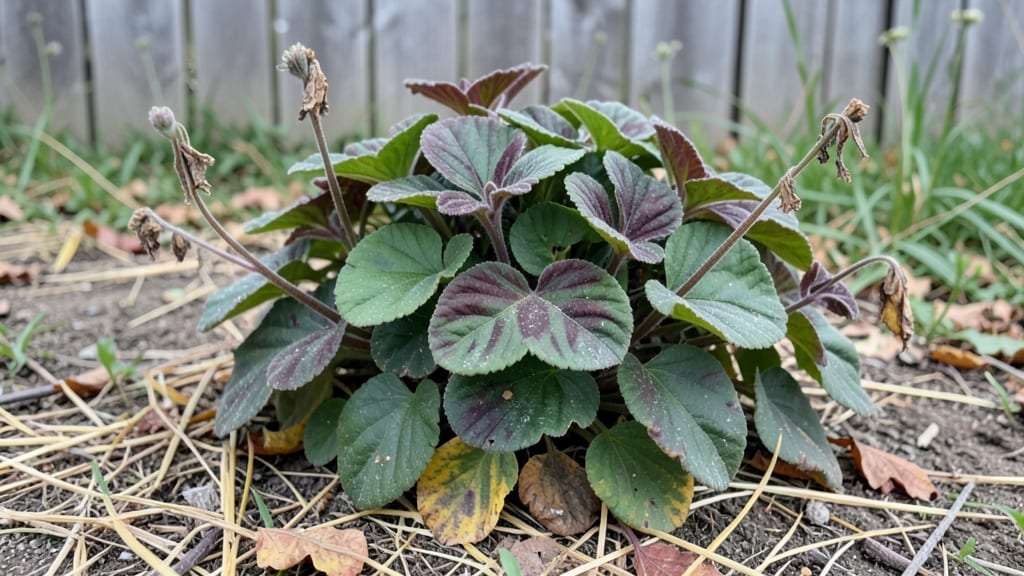
Frustrated with geraniums won’t bloom despite your best efforts? My first year, I had a thriving-looking plant that just wouldn’t produce a single flower—until I realized it was starved for sunlight and drowning in overwatered soil.
The fix was surprisingly simple once I understood what geraniums truly need to thrive. 🌿
Most geraniums crave 6+ hours of direct sunlight daily and well-draining soil—not soggy, compacted dirt. Overwatering stresses them into survival mode, while underwatering causes nutrient starvation. I also learned that deadheading spent blooms and pruning leggy growth in early spring triggers new flower production.
The results? A plant covered in blooms within 4-6 weeks.
You’ll see the first buds appear within 2-3 weeks of adjusting care, with continuous blooms through summer if you maintain the routine. The key is consistency—geraniums respond quickly to the right conditions, but they’ll revert to leafy growth if neglected again. Let’s get those flowers back!
Works for both pelargoniums (zonal and ivy types) and true geraniums (like cranesbill). The same principles apply whether you’re growing in pots, garden beds, or hanging baskets. Here’s exactly how to diagnose and fix the issue step by step.
Why it happens
Geraniums are the life of the garden—vibrant, hardy, and full of color. But when they refuse to bloom, it’s often a sign that something fundamental is off. Understanding the root causes (pun intended!) helps you diagnose and fix the issue before it’s too late.
Let’s break down the most common reasons your geraniums are playing hard to flower.
🌡️ Insufficient Light Exposure
Geraniums are sun-worshippers. When they don’t get enough light, they prioritize leaf growth over flowering—a survival strategy to maximize photosynthesis. What’s happening? In low-light conditions, the plant’s energy is diverted to producing more foliage instead of blooms.
Without adequate sunlight (typically 6-8 hours of direct sun per day), the hormonal signals that trigger flowering, like florigen, don’t activate.
💡 Pro Tip: If your geraniums are in a shaded spot, move them to a sunnier location. South- or west-facing windows or a bright patio are ideal. For container geraniums, rotate the pots every few days to ensure even light exposure.
💧 Overwatering or Poor Drainage
Geraniums hate soggy roots. When soil stays too wet, it stresses the plant, leading to root rot or nutrient deficiencies—both of which suppress flowering. Why does this happen? Excess moisture triggers anaerobic conditions in the soil, where roots can’t absorb oxygen efficiently.
This disrupts the plant’s ability to produce anthocyanins (pigments linked to flower development) and weakens overall metabolic processes.
🔥 Watch For:
- Yellowing leaves (a sign of overwatering).
- Mushy stems or blackened roots (root rot).
- Soil that stays clumpy or smells sour.
✨ Fix It: Ensure pots have drainage holes and use a well-draining potting mix. Water only when the top 1-2 inches of soil are dry. Geraniums prefer dryer conditions over soggy ones!
🍽️ Nutrient Imbalance: Too Much Nitrogen
Geraniums need nutrients, but too much of the wrong kind can backfire. Nitrogen-heavy fertilizers (like lawn fertilizers) promote lush green leaves but starve the plant of phosphorus and potassium—the nutrients critical for flower production. What’s the science? Phosphorus triggers the plant’s flowering genes, while potassium supports energy transfer during bloom development.
Without balance, your geraniums will grow big but stay bare.
📊 Quick Fix:
Problem
Solution
Too much nitrogen
Switch to a balanced 5-10-10 or 10-20-20 fertilizer (lower nitrogen, higher phosphorus).
General nutrient deficiency
Use a bloom-boosting fertilizer like 7-9-5 or add compost for slow-release nutrients.
💪 Bonus: Feed geraniums lightly every 4-6 weeks during the growing season (spring to fall). Overfeeding is just as bad as underfeeding!
🌱 Pruning or Pinching Too Late
Geraniums bloom on new wood, meaning they produce flowers on fresh growth from the current season. If you prune or pinch them too late in the season, you’re cutting off potential bloom sites. Why does timing matter? Geraniums need 6-8 weeks of warm weather to develop flower buds.
Pruning after early summer (around June-July) may remove future blooms.
⏰ Actionable Timeline:
- 🔪 Early Spring (March-April): Prune back leggy stems by 1/3 to encourage bushier growth.
- 🌱 Mid-Summer (June-July): Pinch back tips to promote new growth—but stop by early August to allow time for buds to form.
- 🚫 Avoid: Heavy pruning after mid-summer unless you’re prepping for next year.
🌡️ Temperature or Stress Factors
Geraniums thrive in moderate temperatures (60-75°F). Extreme heat, cold snaps, or sudden temperature swings can shock the plant, halting flower production. How does this work? Stress hormones like abscisic acid are released, which can delay or prevent flowering. Additionally, heat stress reduces pollinator activity, which some geranium varieties rely on for trigger blooming.
🌡️ Adjustments:
- Provide afternoon shade in hot climates (e.g., shade cloth or a lattice).
- Avoid placing pots on pavement or concrete, which radiates heat and dries out roots.
- If frost is a risk, move potted geraniums to a protected spot or bring them indoors before temps drop below 40°F.
Revive Your Geraniums Blooming Magic
Now that you know why your geraniums are holding back on those vibrant blooms, it’s time to roll up your sleeves and bring them back to life! 🌸 The good news? Most fixes are simple, and with a little TLC, your plants will be bursting with color in no time.
Below, we’ve mapped out practical solutions for each common cause—plus prevention tips to keep your geraniums thriving long-term.
🌞 Too Little Light? Boost Their Sunshine
Geraniums are sun-worshippers, and insufficient light is the #1 reason they skip blooming. Here’s how to give them the glow-up they deserve:
🔥 Fix It:
- Move them to a sunnier spot immediately—ideally 6+ hours of direct sunlight daily. South- or west-facing windowsills or a bright patio are perfect.
- Rotate the pot weekly (¼ turn) to ensure even light exposure and prevent lopsided growth.
- Supplement with grow lights (12–14 hours/day) if natural light is scarce, especially in winter.
💡 Prevention Tip:
- Avoid deep shade (like under trees or north-facing walls). Geraniums will sulk without enough light.
- Watch for leggy stems—a sign they’re stretching for light. Prune them back to encourage bushier, bloom-heavy growth.
💧 Overwatering or Poor Drainage? Let Them Breathe
Soggy roots = no blooms. Geraniums hate "wet feet," and overwatering can lead to root rot or stress that halts flowering.
🍳 Fix It:
- Check the soil moisture before watering: Stick your finger 1–2 inches deep. If it’s damp, wait. If dry, water thoroughly until it drains from the bottom.
- Upgrade your pots to ones with drainage holes (or drill them yourself!). Terracotta pots help wick away excess moisture.
- Use well-draining soil: Mix potting soil with perlite or sand (1:1 ratio) to improve aeration.
🌡️ Prevention Tip:
- Water deeply but less often—geraniums prefer dry spells between waterings. Aim for every 5–7 days (adjust for climate).
- Empty saucers after watering to prevent root suffocation from sitting water.
🍽️ Nutrient Deficiency? Feed Them Right
Bloom-less geraniums often need a phosphorus boost (the middle number in NPK fertilizers) to encourage flowers. But too much nitrogen (first number) = leafy monsters, no blooms!
👨🍳 Fix It:
- Switch to a bloom-boosting fertilizer: Use a balanced 10-10-10 or 5-10-10 (or a high-phosphorus 7-9-5) every 4–6 weeks during spring/summer.
- Add compost or worm castings to the soil for slow-release nutrients.
- Flush the soil every 2–3 months with water to prevent salt buildup from fertilizers (which can burn roots).
✨ Prevention Tip:
- Avoid high-nitrogen fertilizers (like lawn food). These promote leaves over flowers.
- Feed lightly in fall/winter—geraniums rest then, so they don’t need much.
🪴 Crowded or Root-Bound? Give Them Space
When roots circle the pot or plants are packed too tightly, energy goes to growth instead of blooms.
🔪 Fix It:
- Repot into a slightly larger container (just 1–2 inches wider) if roots are circling or poking out of drainage holes.
- Prune back overcrowded stems to improve airflow and redirect energy to blooming.
- Thin out crowded plants if growing in the ground—space them 12–18 inches apart.
🎯 Prevention Tip:
- Repot every 1–2 years to refresh soil and root space.
- Deadhead spent blooms regularly to encourage new flowers and prevent overcrowding.
❄️ Stress from Temperature Swings? Keep Them Comfy
Geraniums thrive in moderate temperatures (60–75°F). Extreme heat, cold drafts, or sudden changes can shock them into bloom-free mode.
⏰ Fix It:
- Move potted geraniums indoors (or to a garage) if night temps drop below 50°F.
- Avoid cold drafts (like AC vents or open windows in winter).
- Mulch garden plants with straw or shredded leaves to insulate roots in cooler months.
💡 Prevention Tip:
- Hardy geraniums (like Pelargonium) can handle light frosts, but most varieties need protection below 40°F.
- Gradually acclimate plants to indoor conditions if bringing them inside for winter (to avoid shock).
🐛 Pests or Disease? Inspect and Treat
Aphids, spider mites, or fungal issues (like powdery mildew) sap energy that could go to blooms.
🛡️ Fix It:
- Spray off pests with a soapy water solution (1 tsp mild soap + 1 quart water) or neem oil.
- Remove infected leaves and treat with fungicide (like copper spray) if you spot mildew.
- Improve airflow by spacing plants properly to prevent fungal growth.
🔥 Prevention Tip:
- Inspect plants weekly for early signs of pests (sticky residue, yellowing leaves).
- Avoid overhead watering—water at the base to keep foliage dry.
🌱 Bonus: Prune for More Blooms
A little strategic trimming can double your blooms by encouraging bushier growth and redirecting energy.
🌿 How to Prune:
- Pinch back tips of new growth in early spring to promote branching.
- Cut back leggy stems by ⅓ to encourage fuller, bloom-heavy growth.
- Deadhead regularly (snip spent blooms) to prevent seed production and encourage new flowers.
Final Thought: Geraniums are forgiving—most issues are reversible with a few adjustments! Start with light, water, and fertilizer, then tweak based on their response. Within weeks, you’ll see those classic blooms making a comeback. 🌸
(Need a quick cheat sheet? Bookmark this list next to your geraniums!)
Frequently asked questions
Why do my geraniums grow leaves but no flowers?
Geraniums prioritize leaf growth over blooms when they're stressed or lack key conditions. This usually happens due to insufficient sunlight (less than 6 hours of direct sun daily), overwatering (soggy soil), or too much nitrogen fertilizer (which promotes leaves). Try moving them to sunnier spots and switching to a balanced 5-10-10 fertilizer to encourage blooms. You should see buds within 2-3 weeks!
Is it too late to get my geraniums to bloom this summer?
Not necessarily! If you adjust care now, you can still trigger blooms. Focus on pruning leggy stems by 1/3 in early summer, ensuring 6+ hours of sunlight, and feeding with a phosphorus-rich fertilizer (like 7-9-5). Stop pruning after early August to give buds time to form. With consistent care, you’ll see flowers by late summer!
How often should I water geraniums to encourage blooming?
Geraniums prefer dry spells between waterings—water only when the top 1-2 inches of soil are dry. Overwatering stresses roots and prevents blooms. Aim for every 5-7 days in warm weather, but always check soil moisture first. Use pots with drainage holes and well-aerated soil to avoid soggy conditions.
Can I use regular houseplant fertilizer on geraniums?
Regular houseplant fertilizers often contain too much nitrogen, which grows leaves but suppresses blooms. Instead, use a bloom-boosting fertilizer with higher phosphorus (middle number), like 10-20-20 or 5-10-10. Feed lightly every 4-6 weeks during spring/summer, and reduce feeding in fall/winter when geraniums rest.
What’s the best way to prune geraniums for more flowers?
Prune strategically to encourage bushier growth and blooms! In early spring, cut back leggy stems by 1/3 to promote branching. In mid-summer, pinch back tips to redirect energy to flowers—but stop pruning by early August to allow time for buds to form. Always use clean, sharp scissors to avoid damaging stems.