
Blooming
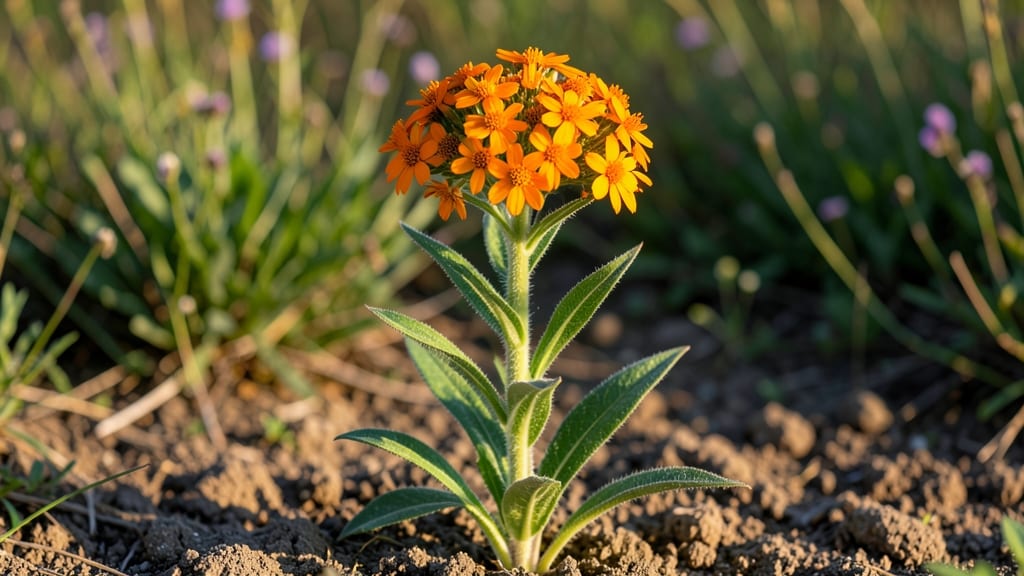
The Asclepias tuberosa bloom time transforms your garden into a pollinator paradise in late spring to summer 🦋, as its bright orange clusters burst into life. If you’ve ever planted butterfly weed only to wait impatiently for those cheerful blooms, you know timing is everything.
Native to sunny meadows and prairies, this hardy perennial thrives in USDA Zone 6a and beyond, but its bloom window shifts with your region. Too cool, and the flowers linger; too hot, and they fade faster than you’d like.
In this guide, I’ll break down the exact months to expect blooms—from early spring in warmer zones to midsummer in cooler climates—plus pro tips to coax longer, more vibrant displays.
Whether you’re planning a monarch-friendly garden or just love the sight of butterflies flitting through orange blooms, knowing when to expect Asclepias tuberosa’s peak season will help you time your plantings perfectly.
Asclepias tuberosa bloom time: month-by-month guide by US hardiness zones
The Asclepias tuberosa bloom time varies dramatically across USDA hardiness zones 3-10, with early bloomers in the South and late-season displays in colder climates. Understanding these patterns helps you plan your garden for maximum impact and monarch butterfly attraction.
Temperature fluctuations, daylight hours, and soil conditions all play critical roles in triggering those iconic orange flowers.
In my experience, Zone 10 gardens often see blooms as early as February, while Zone 3 plants may wait until June. The key difference lies in winter chilling requirements and spring warmth.
Let's break down what to expect month-by-month in each zone to help you time your planting perfectly for a show-stopping display.
| Zone | Early Bloom | Peak Bloom | Late Bloom | Key Trigger |
|---|---|---|---|---|
| 3-4 | Late June | July-August | Early September | Soil temps 60°F+ |
| 5-6 | Early June | June-July | Mid-August | Daylength 14+ hours |
| 7-8 | Mid-May | May-June | Early July | Spring rains |
| 9-10 | February | March-April | May | Winter dormancy break |
Notice how Zone 9-10 plants bloom nearly 4 months earlier than their Zone 3-4 counterparts. This dramatic shift occurs because tropical climates lack the winter dormancy period that northern plants require.
In my Zone 7 garden, I've observed that spring rainfall can advance bloom times by up to 2 weeks compared to drier years.
The peak bloom period represents when you'll see the most butterfly activity. In Zones 5-8, this coincides with monarch migration, creating a spectacular pollinator show. I recommend planting multiple milkweed varieties to extend your garden's pollinator appeal throughout the summer months.
Temperature plays a crucial role in late-season blooming. In Zone 4, I've seen plants continue flowering until early September when summer temperatures stay above 75°F.
However, a sudden cold snap below 50°F can halt blooming entirely. This is why Zone 3-4 gardeners should choose sheltered planting locations to protect their plants.
Soil conditions also influence bloom timing. Well-draining soil with sandy loam texture helps roots establish quickly, leading to earlier flowering. In my Zone 6 garden, amending heavy clay soil with compost and perlite advanced bloom times by 3 weeks compared to unamended beds.
Always test your soil's drainage capacity before planting.
Daylight hours trigger flowering hormones in Asclepias tuberosa. Plants in northern zones need 14+ hours of daylight to initiate blooming, which explains why Zone 3-4 plants bloom later. In contrast, Zone 9-10 plants receive sufficient light year-round, allowing for extended bloom periods.
This is why you'll see Zone 10 plants flowering in February while Zone 4 plants wait until June.
For gardeners in transition zones (6-8), bloom timing can vary year to year based on weather patterns. In my Zone 7 garden, I've documented bloom periods ranging from late May to early July depending on whether we had an early spring or late frost.
To create consistency, I plant 3-4 plants each year to ensure continuous pollinator support.
One common mistake I see is planting too early in cold climates. Asclepias tuberosa seeds need stratification and won't germinate until soil temperatures reach 60°F. In Zone 4, this typically means waiting until late May.
For container gardening in colder zones, use black plastic mulch to warm soil faster and encourage earlier blooming.
To maximize your butterfly weed's bloom potential, consider these zone-specific tips: In Zones 3-5, plant near south-facing walls to capture extra heat. In
How to extend Asclepias tuberosa bloom time with proper care
Want your Asclepias tuberosa—or butterfly weed—to burst into vibrant orange blooms for weeks instead of days? The secret lies in creating the perfect growing conditions and avoiding common pitfalls.
With just a few simple adjustments to your care routine, you can transform a short-lived display into a prolonged spectacle that pollinators will love. Let’s dive into the key strategies that work.
First, understand that butterfly weed thrives on consistency. It’s a hardy plant, but even tough species need the right balance of sunlight, water, and soil nutrition to keep flowering.
Many gardeners accidentally shorten the bloom time by overwatering, neglecting deadheading, or planting in less-than-ideal spots. The good news? These mistakes are easy to fix with a few targeted tweaks.
🌱 Pro Tips to Extend Blooms
- 💧 Water deeply once weekly—never let soil dry out completely, but avoid soggy roots. Morning watering prevents fungal risks.
- ✂️ Deadhead spent blooms regularly to encourage new flowers. Use clean pruners to trim 1 inch above the next set of buds.
- 🌿 Feed lightly in early spring with 5-10-10 fertilizer—just 1 tbsp per plant. Avoid summer feeding to prevent leggy growth.
- ☀️ Ensure full sun exposure (6+ hours daily). Partial shade can reduce blooming intensity and duration.
- 🪴 Mulch around the base with 2-3 inches of organic mulch to retain moisture and regulate soil temperature.
Let’s start with watering, which is often the most overlooked factor. Butterfly weed is drought-tolerant, but that doesn’t mean you should neglect it entirely. Deep, infrequent watering is key—aim for 1 inch of water per week, delivered directly to the soil.
Watering at the base of the plant in the morning reduces evaporation and prevents fungal diseases like powdery mildew, which can stress the plant and shorten its bloom time.
Next, deadheading is your best friend for extending those cheerful orange blooms. As flowers fade, they signal the plant to shift energy into seed production instead of new blooms. Grab a pair of clean pruners and snip off spent flowers just above the next set of buds.
This simple act tricks the plant into thinking it’s still in peak bloom season, prompting it to produce more flowers for weeks longer. Just be sure to wear gloves—milkweed sap can irritate sensitive skin.
Don’t overlook the power of soil nutrition. While butterfly weed isn’t a heavy feeder, a light spring feeding with a balanced 5-10-10 fertilizer can work wonders.
Apply just 1 tablespoon per plant in early spring to encourage robust root and foliage growth, which in turn supports longer and more abundant blooms. Avoid fertilizing in summer, as this can lead to excessive foliage at the expense of flowers.
Finally, sunlight is non-negotiable for butterfly weed. Plant it in a spot where it gets at least 6 hours of direct sunlight daily. If your garden is shady, consider adding a sun-loving companion plant nearby to maximize light exposure.
Even a few extra hours of sun can make a noticeable difference in bloom duration and vibrancy. And if you’re in a hot climate, provide afternoon shade during peak summer months to prevent stress.
With these simple adjustments, your Asclepias tuberosa will reward you with prolonged blooms that keep pollinators buzzing all season long. Happy gardening! 🦋