
Blooming
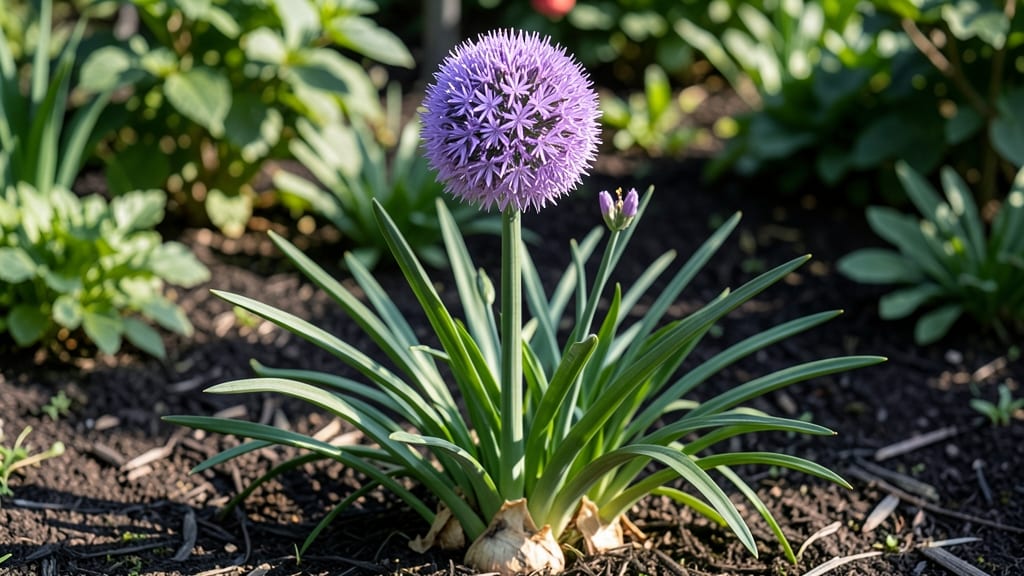
Timing your allium bloom time correctly means those iconic purple globes 🌸 will burst into your garden just as spring turns to summer.
Picture this: you’ve waited months for your alliums to pop, only to realize you planted them too late—or too early—and missed the show entirely. The good news? With the right zone knowledge and a few simple tweaks, you can align their peak bloom with your garden’s prime viewing season.
Most allium varieties—like Allium giganteum or Allium sphaerocephalon—thrive in zones 3–10, but their bloom windows shift dramatically. In cooler regions (like zone 6a), expect flowers by late spring, while warmer zones may see them stretch into early summer.
The key? Plant bulbs 6–8 weeks before your last frost—typically March or April for most gardeners.
Below, I’ll break down exact bloom timelines by variety, how sunlight and soil play a role, and the one mistake that kills allium blooms faster than anything else.
Understanding Allium bloom time by growing Zone and variety
Alliums are famous for their dramatic purple spheres that add height and drama to gardens, but their bloom time varies wildly depending on your USDA growing zone and the specific variety.
Whether you’re growing Allium giganteum for towering spikes or Allium moly for early spring color, knowing when to expect blooms helps you plan your garden’s seasonal highlights.
Climate plays a huge role—cooler zones like USDA Zone 3 may see blooms 4–6 weeks later than warmer zones like Zone 10.
Even within the same zone, early-season alliums (like Allium cernuum) might bloom in late spring, while late-season varieties (such as Allium schubertii) stretch into early summer.
In cooler zones (3–5), most alliums bloom 2–4 weeks later than their southern counterparts. For example, Allium giganteum in Zone 3 might not reach peak bloom until early July, while in Zone 8, it could flower as early as late May.
This delay is due to slower soil warming and shorter daylight hours.
If you’re in a warmer zone (8–10), some varieties like Allium moly may bloom as early as February, offering a winter-to-spring show.
However, late-season alliums like Allium schubertii still prefer cooler temperatures to trigger blooming, so they may need partial shade in Zone 10 to prevent bolting too early.
For staggered blooms, mix early, mid-, and late-season varieties. Plant Allium moly in fall for spring color, then add Allium giganteum in early spring for summer height. This ensures your garden stays vibrant from March through August.
Soil temperature also affects bloom time—most alliums need soil to reach 50–55°F before sprouting. In Zone 4, this might not happen until mid-April, while in Zone 7, it could be as early as March. Use a soil thermometer to track progress if you’re unsure.
One pro tip: Plant alliums in clusters of 3–5 bulbs for a more dramatic effect. This not only enhances their visual impact but also helps regulate bloom timing—if one bulb lags, the others will compensate. Pair them with low-growing perennials like thyme or sedum to highlight their height.
Finally, remember that alliums are low-maintenance once planted. They thrive in well-draining soil and full sun, with minimal watering after establishment. The key to perfect bloom time is simply planting at the right moment for your zone and variety.
How to time planting for maximum Allium bloom impact
Timing your allium planting is the secret to those jaw-dropping purple globes appearing right when your garden needs them most. Since alliums bloom 60–90 days after planting, a miscalculation can mean missed shows. Start by checking your last frost date—this is your anchor point for all calculations.
For example, in USDA Zone 6, with a last frost around April 15, aim to plant most allium varieties by early March to ensure blooms by late May or early June.
Not all alliums bloom at the same time, though. Early bloomers like Allium moly (golden star) may flower as early as May in cooler zones, while late-season varieties like Allium giganteum (giant allium) need warmer soil and may not peak until June or July.
Understanding these differences lets you stagger plantings for a continuous display.
🌱 Key Steps to Perfect Allium Bloom Timing
-
1. Calculate Your Frost Dates
Find your last frost date (use USDA Zone Map) and subtract 60–90 days for planting. -
2. Adjust for Variety
Allium sphaerocephalon (balloon flower) blooms in 70–80 days; Allium schubertii takes 90+ days. -
3. Plant in Staggered Batches
Space plantings 2–3 weeks apart to extend bloom time from May to July. -
4. Pair with Companion Plants
Plant lavender or catmint nearby to attract pollinators and boost allium health. -
5. Ensure Full Sun
Alliums need 6+ hours of sunlight daily—place them where they’ll get morning sun and afternoon shade if your zone is hot.
For extended bloom seasons, try planting some alliums in late summer (August) for a fall display. Hardy varieties like Allium cristophii (drumstick allium) can handle cooler temps and may even rebloom the following year if conditions are right.
Just be sure to mulch heavily in winter to protect bulbs from freeze-thaw cycles.
One of my favorite tricks is to plant alliums alongside spring bulbs like daffodils or tulips. The alliums’ late arrival adds height and drama after the tulips have faded. For example, Allium 'Purple Sensation' pairs beautifully with blue hyacinths—their purple spheres echo the hyacinth blooms while adding structure.
Just avoid planting alliums too close to shallow-rooted perennials like hostas, which can compete for nutrients.
If you’re in a warmer zone (Zones 8–10), alliums may bloom earlier and more prolifically due to longer growing seasons. In these areas, you can even plant in fall (October–November) for winter or early spring blooms.
Just monitor soil temps—alliums need consistent chill exposure to trigger flowering, so avoid planting too early in mild winters.
Finally, don’t overlook soil preparation. Alliums thrive in well-draining, slightly alkaline soil (pH 6.5–7.5). Amend heavy clay with compost or sand and avoid fresh manure, which can cause rot.
A light balanced fertilizer (5-10-10) at planting time gives them the boost they need to produce those show-stopping blooms on time.