
Shrubs
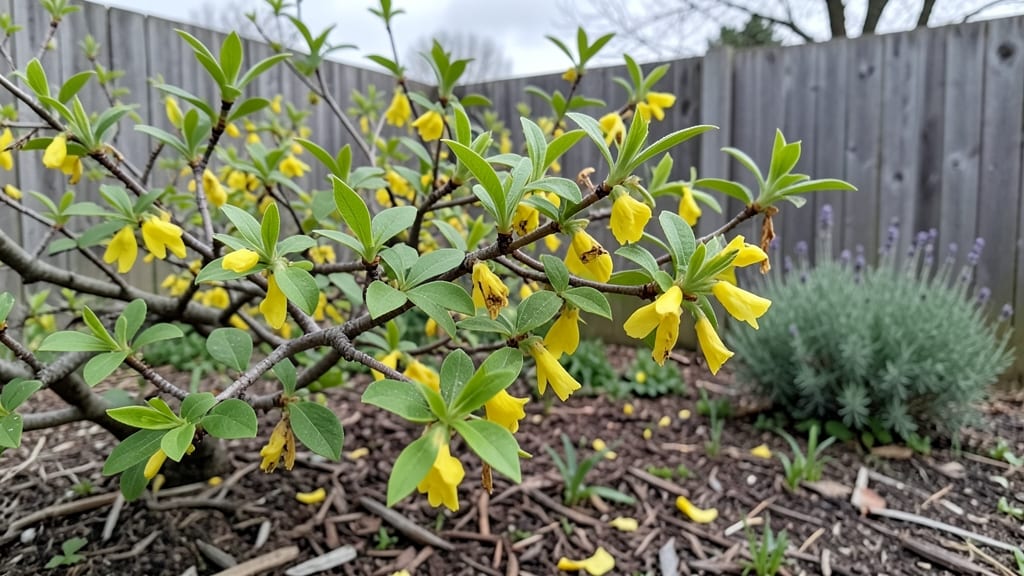
After your forsythia blooms fade, the right care ensures next year’s showstopping golden display 🌸—but timing and technique make all the difference.
Your forsythia’s golden blooms may fade, but with the right after-bloom care, you can ensure next year’s display is even more spectacular—without sacrificing plant health or growth.
Pruning too early can cut off next spring’s buds, while skipping it entirely lets the shrub grow leggy. The key is waiting until after the flowers drop and using sharp tools to shape it just right.
Below, I’ll walk you through the exact steps—when to trim, how much to cut, and the fertilizing schedule that keeps your forsythia thriving between seasons.
When and how to prune forsythia after bloom for optimal growth
After your forsythia bursts into brilliant yellow blooms in spring, proper post-bloom pruning is essential to maintain its shape and encourage next year’s vibrant display. Unlike some shrubs, forsythia blooms on old wood, so timing and technique matter.
Prune too early, and you risk cutting off next year’s flower buds. Prune too late, and you may miss the best window for shaping. Let’s dive into the perfect timing and cutting methods to keep your forsythia thriving.
Most gardeners make the mistake of pruning forsythia right after it finishes blooming, but this can actually reduce next year’s flowers. The key is to wait until after the blooms fade but before new growth begins. This usually falls between late May and mid-June, depending on your climate.
In warmer zones, you might prune as early as April, while cooler regions should wait until June. The goal is to remove dead or weak branches while preserving the framework for future blooms.
Step-by-Step Forsythia Pruning Guide
-
Step 1: Wait for Blooms to Fade
Prune 4-6 weeks after forsythia finishes blooming. Look for browned flower clusters and new leaf growth as signals. -
Step 2: Gather the Right Tools
Use sharp bypass pruners for clean cuts, loppers for thicker branches, and gloves to protect your hands. -
Step 3: Remove Dead or Crossing Branches
Cut out dead wood, diseased branches, and any that rub against others to improve airflow. -
Step 4: Thin Out Overcrowded Areas
Selectively prune 1/3 of the oldest stems at the base to encourage new growth and a fuller shape. -
Step 5: Shape the Shrub
Lightly trim outer branches to maintain a balanced silhouette, but avoid heavy pruning that can reduce next year’s blooms. -
Step 6: Clean Up and Dispose
Remove all pruned debris from the base to prevent pests or diseases from lingering.
💡 Pro Tip: Always cut just above a bud or branch node at a 45-degree angle for faster healing.
When pruning, focus on selective thinning rather than heavy cutting. Forsythia responds well to moderate pruning, so avoid removing more than 25-30% of the plant’s foliage at once. This approach helps maintain the bloom-producing framework while encouraging new, bushier growth.
If your forsythia is overgrown, you can prune back older stems by up to one-third, but do this gradually over 2-3 years to avoid shock.
One common mistake is pruning forsythia too aggressively in a single session. This can stress the plant and lead to fewer flowers the following spring. Instead, spread out pruning tasks over a few weeks if needed.
Always use sterilized tools to prevent the spread of bacterial or fungal diseases, which can weaken your shrub. A quick wipe of your pruners with rubbing alcohol between cuts keeps everything clean.
After pruning, give your forsythia a light fertilization to support new growth. A balanced, slow-release fertilizer (like 10-10-10) applied in early summer provides the nutrients needed for strong stems and next year’s blooms. Pair this with regular watering—about 1 inch per week—to help the plant recover.
Mulching around the base with organic matter (like wood chips or compost) also helps retain moisture and suppress weeds.
If your forsythia has legacy branches that are woody or bare, you can remove them entirely at the base. These branches often no longer produce flowers and can steal energy from newer growth. However, never prune more than one-third of the plant’s total branches in a single year.
This rule ensures your forsythia stays healthy and productive for years to come. With the right pruning technique, your forsythia will reward you with even more spectacular blooms next spring.
For young forsythia plants (under 3 years old), minimal pruning is needed. Focus on removing dead or damaged branches and shaping lightly to encourage bushier growth. Older plants, however, benefit from rejuvenation pruning every few years.
This involves cutting back older stems to ground level while leaving younger stems intact. This method can revitalize an aging forsythia and promote new, vigorous growth.
Finally, keep an eye out for pests or diseases after pruning. Forsythia is generally low-maintenance, but aphids, scale insects, or powdery mildew can sometimes appear. If you notice yellowing leaves, sticky residue
Forsythia care mistakes that kill next year’s flowers (and how to avoid them)
After your forsythia dazzles with golden blooms in early spring, the real work begins. Many gardeners make critical after-bloom mistakes that weaken the plant and reduce next year’s flowers.
I’ve seen over-pruned shrubs struggle to recover or underfed plants produce sparse blooms. The key is knowing what to avoid—and when—to keep your forsythia thriving.
Timing is everything with forsythia care. Pruning at the wrong time can strip away next year’s flower buds, while neglecting soil health or watering can stress the plant.
Even well-meaning gardeners often skip essential steps like mulching or fertilizing after blooms fade. Let’s fix these common oversights before they derail your plant’s growth.
⚠️ Critical Warning: Don’t Prune Too Late!
Pruning forsythia after bloom must happen immediately after flowers fade—never later than June. Delaying pruning removes next year’s flower buds, which form on old wood. If you wait until summer or fall, you’ll sacrifice spring blooms and risk stunted growth.
✅ Do: Prune right after blooming (late April–May).
❌ Don’t: Wait until summer or fall—this kills next year’s flowers!
Another common mistake is over-pruning or cutting into old wood. Forsythia blooms on last year’s growth, so aggressive pruning can leave your shrub looking bare. I’ve seen gardeners reduce forsythia to a bare skeleton by pruning too much, only to watch it take years to recover.
Instead, focus on shaping and removing dead branches while preserving the structure.
Soil neglect is another silent killer. Forsythia thrives in well-draining soil with organic matter, but many gardeners forget to amend the soil after blooms fade. Without proper nutrients, your plant may produce fewer flowers or struggle with pests. A simple compost top-dressing or balanced fertilizer (like 10-10-10) in early summer can make a huge difference.
Watering forsythia after bloom also requires attention. While established plants are drought-tolerant, young shrubs or those in hot climates need consistent moisture. I’ve noticed underwatered forsythia develop leaf scorch or weak stems, which weakens next year’s blooms.
Water deeply once a week during dry spells, focusing on the root zone to encourage strong growth.
Finally, pest and disease prevention often gets overlooked. After blooms fade, inspect your forsythia for aphids, powdery mildew, or canker diseases. These issues can spread quickly if left unchecked, reducing your plant’s vigor.
A neem oil spray or copper fungicide applied in early summer can prevent problems before they start.
By avoiding these forsythia care mistakes, you’ll set your shrub up for vibrant blooms next spring. The secret? Act quickly after blooming, prune wisely, and feed the soil. Your forsythia will reward you with years of golden cheer—no guesswork required! 🌸