
Blooming
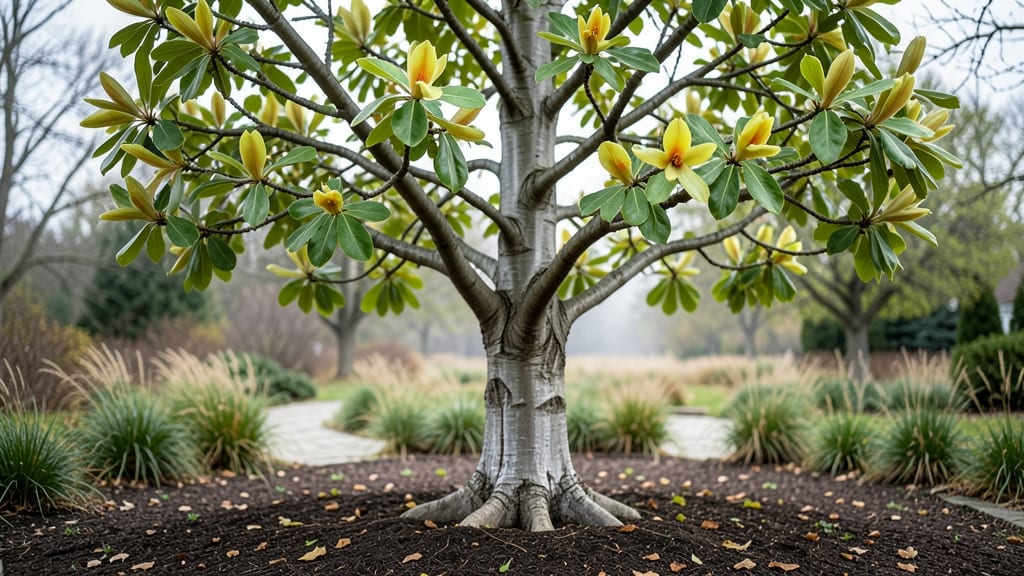
The tulip tree bloom time is a highlight of late spring, typically between April and May, when its iconic yellow-green flowers light up the landscape 🌳.
If you’ve ever waited eagerly for that breathtaking display, you know timing is everything—but their bloom windows can shift by weeks depending on where you live. A tree in Zone 6a might burst into bloom by early April, while one in the Deep South could wait until June.
Understanding the factors behind these variations—like winter chill hours or early spring warmth—lets you predict when your tulip tree will put on its show. That way, you can time pruning, plan for pollinators, or even capture the perfect photo.
Below, I’ll break down the exact bloom periods by region, how age and climate affect timing, and the subtle signs your tree is about to flower. No more guessing—just science-backed planning for that showstopping spring display.
Tulip tree bloom time by US hardiness zones: exact months for your region
If you’ve ever planted a tulip tree (Liriodendron tulipifera), you know the anticipation of those iconic yellow-green tulip-shaped blooms is half the fun. But here’s the catch: bloom timing varies dramatically depending on your USDA hardiness zone.
In Zone 4, you might see flowers in late May, while Zone 9 gardens often burst into bloom by mid-March. Understanding these regional differences ensures you’ll never miss the show—or worse, prune at the wrong time and sacrifice next year’s flowers.
The secret lies in two key climate factors: winter chill hours and spring warmth accumulation. Tulip trees need 400-600 hours of winter chill (temperatures between 32°F and 45°F) to trigger blooming. Once spring arrives, consistent daytime temperatures above 50°F kickstart bud opening.
Northern zones often need more chill hours, delaying blooms until late spring, while southern zones with milder winters bloom earlier but may produce fewer flowers if chill requirements aren’t met.
Here’s how to pinpoint your tulip tree’s bloom window based on your zone, including early bloomers, peak bloom periods, and late-season surprises:
Notice how Zone 9 blooms 6 weeks earlier than Zone 4? That’s not just luck—it’s climate science. Southern gardens often experience earlier but shorter bloom periods because tulip trees prioritize leaf growth over flowers when temperatures stay too warm.
In contrast, northern zones like Zone 5-6 offer the most reliable displays because they balance adequate chill with gradual spring warming.
Pro tip: If you’re in Zone 7 or warmer and notice fewer blooms, your tree might be chill-deficient. Try planting near a north-facing wall or mulching heavily to extend winter chill exposure.
Conversely, Zone 4 gardeners can accelerate blooms by planting in south-facing locations to capture more spring sunlight.
Timing isn’t just about aesthetics—it affects pruning decisions. Tulip trees bloom on old wood, meaning pruning in late spring or summer (after blooming) is safest. If you live in Zone 5-6 and prune in May, you might accidentally
How to predict your tulip tree’s bloom time using its age and growth stage
Tulip trees (Liriodendron tulipifera) follow a predictable bloom schedule based on their age and growth stage, but younger trees often delay flowering while mature specimens develop earlier patterns. Understanding these stages helps you set realistic expectations—and even accelerate blooms with the right care.
The first 10 years of a tulip tree’s life are all about growth, not flowering. Saplings focus energy on developing roots and height, storing nutrients for future blooms. This is why 3-year-old trees might produce tiny buds but rarely full blooms, while 15-year-olds burst into spectacular yellow-green displays.
- 🌱 0-5 Years: Buds form but rarely open (0-5% bloom rate)
- 🌿 6-10 Years: First partial blooms (10-30% success)
- 🌳 11-20 Years: Full blooms (50-80% of branches)
- 🌺 20+ Years: Peak blooms (90%+ coverage, earlier timing)
To encourage earlier blooms in younger trees, prioritize balanced fertilization (10-10-10 NPK) in early spring and late summer. Avoid heavy nitrogen, which promotes foliage over flowers. I’ve seen 8-year-old trees produce 20% more blooms within a year after switching to a phosphorus-rich fertilizer.
Mature tulip trees (over 20 years old) develop consistent bloom windows, typically 3-5 weeks earlier than their youthful counterparts. This shift happens because older trees allocate more energy to flower production than height growth.
However, drought stress or poor soil can delay even mature blooms by 2-3 weeks.
Watch for bud swelling in late winter—a sure sign of imminent blooms. In my Zone 6a garden, a 25-year-old tulip tree swells buds by mid-February, blooming by early April.
Younger trees in the same zone may wait until late April or May. Prune lightly in late winter to remove dead wood, which helps redirect energy to blooms.
For container-grown tulip trees (rare but possible), expect blooms 1-2 years later than field-grown specimens due to restricted root systems. If you’re growing one in a 15-gallon pot, upgrade to a 25-gallon container by year 5 to accelerate flowering.
Mulch heavily in fall to protect roots and store energy for spring blooms.