
Blooming
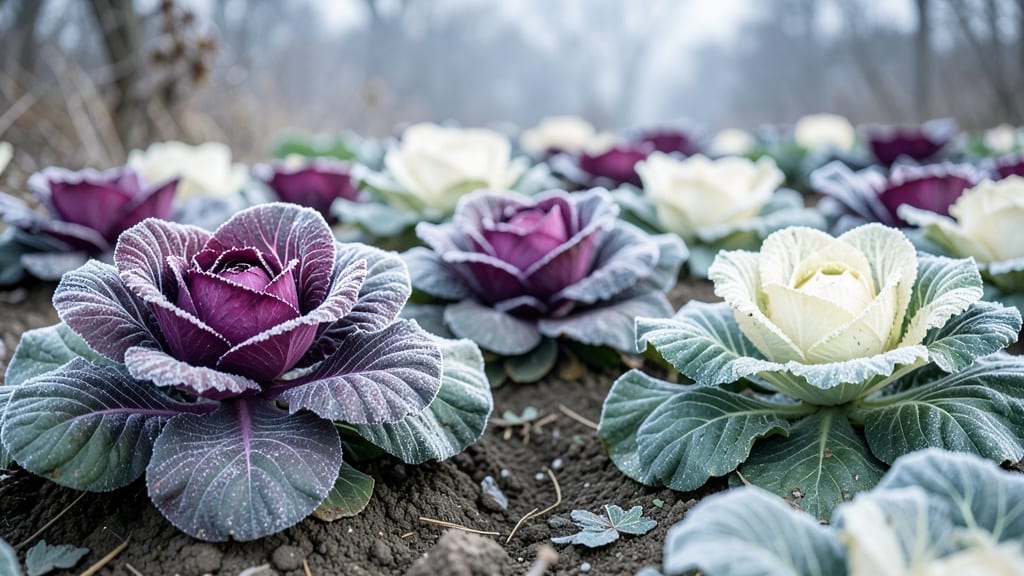
Autumn and winter gardens don’t have to be dull—these 10 hardy flowers defy seasonal norms with vibrant blooms, minimal care, and resilience against frost. Perfect for gardeners who crave color without the fuss of deadheading or high-maintenance plants.
Chrysanthemums: Frost-Resistant Autumn Stars
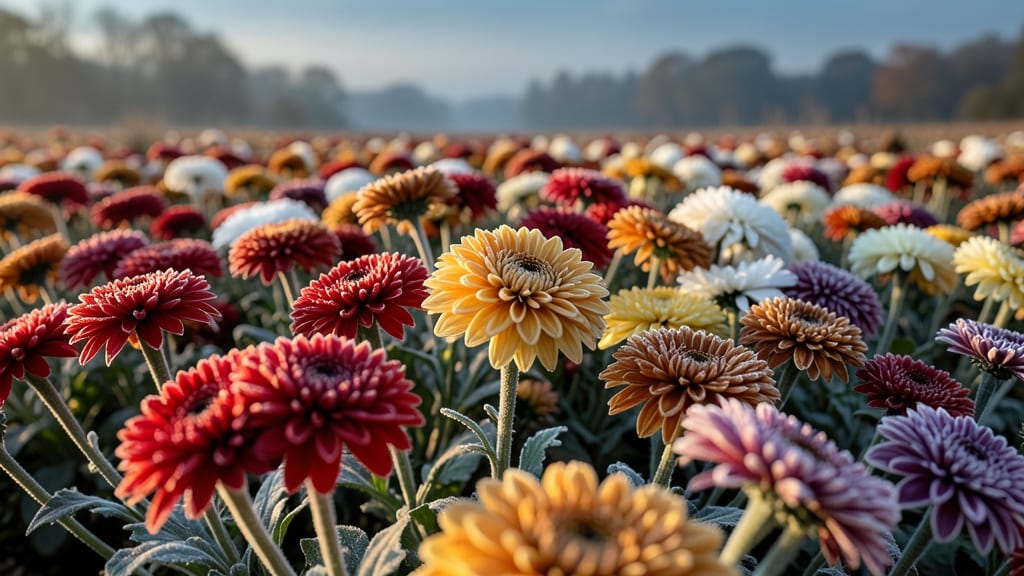
When most flowers retreat into dormancy, chrysanthemums burst into color—flaunting over 400 varieties in every hue from fiery red to icy white. These frost-resistant stars thrive in cooler weather, making them the unsung heroes of autumn gardens, and they keep blooming until hard frost arrives.
Plant them in full sun to partial shade and pinch back stems in early summer to encourage bushier growth. Chrysanthemums are also drought-tolerant once established, and their long-lasting blooms make them perfect for cut flowers that stay fresh for days. Choose varieties like 'Mammoth' for bold borders or 'Bonanza' for compact containers.
Perfect for beginners and experienced gardeners alike, these hardy beauties transform bare spots into vibrant displays with almost no effort. 🌻
Winter Jasmine: Early Sunshine for Cold Months
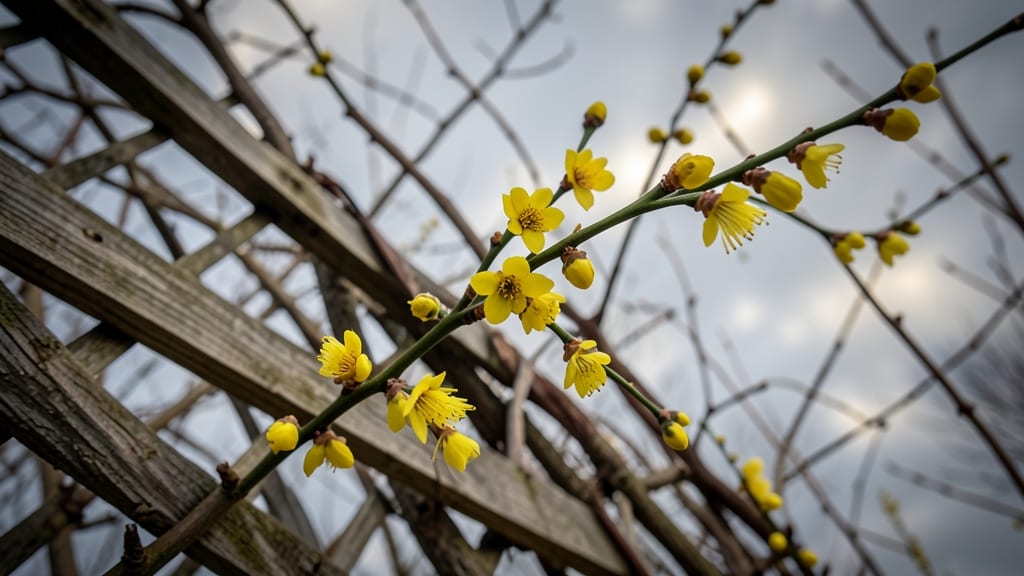
When winter’s gray skies feel endless, winter jasmine steps in as a cheerful surprise, bursting into bloom with bright yellow clusters as early as December in many climates. Unlike spring-blooming vines, this deciduous climber thrives in cold snaps, offering pollinator-friendly flowers when food is scarce for bees and butterflies.
Plant it in full sun to partial shade, where it can scramble up trellises, fences, or even bare walls. Prune lightly after flowering to shape the vine, and enjoy year-round structure—its glossy, deep green leaves provide winter interest even when not in bloom. The minimal care makes it perfect for busy gardeners or urban balconies.
Ideal for northern gardens (zones 5-9), winter jasmine turns dull walls into sunlit canvases with almost no effort. 🌻
Hellebores: Shade-Loving Winter Bloomers
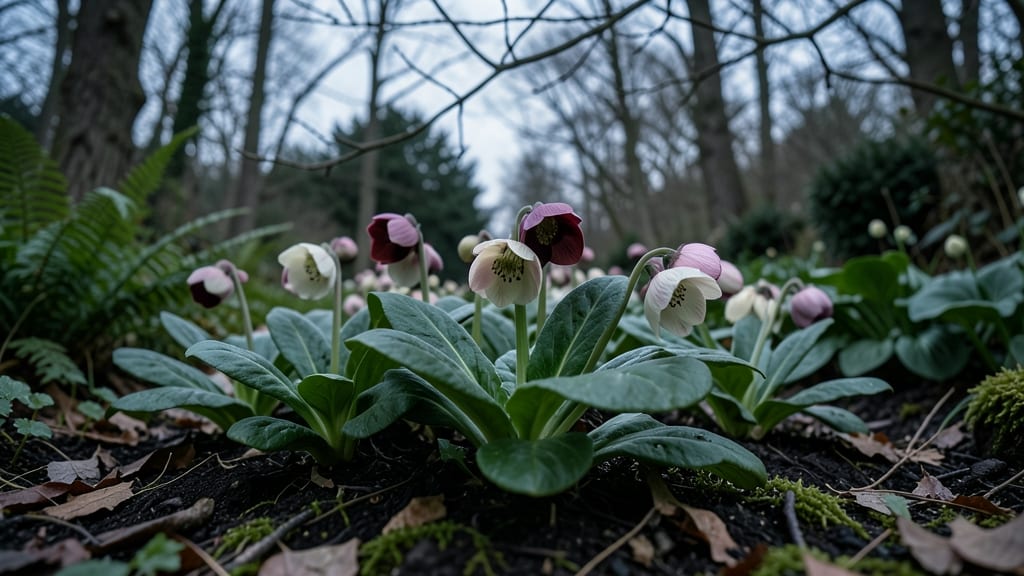
If your garden is tucked away in a shady corner where sunlight barely reaches, helleborus (commonly called hellebores) will still deliver stunning blooms. These evergreen perennials thrive in low-light conditions and cold climates, producing delicate flowers from late winter to early spring when most gardens are still dormant.
Known as the "Lenten rose," hellebores offer a wide range of colors from white and pink to deep purple, and their nodding blooms often last for weeks. They’re incredibly low-maintenance—just plant them in moist, well-draining soil and provide partial to full shade. Deer and rabbits typically avoid them, making them ideal for problem-prone areas.
Perfect for woodland gardens, shady borders, or even as striking container plants, hellebores bring early color to gardens that would otherwise be bare. They’re especially rewarding for gardeners in USDA zones 4-9 who want winter interest without fuss. 🌿
Pansies: Hardy Annuals for Cool-Season Gardens
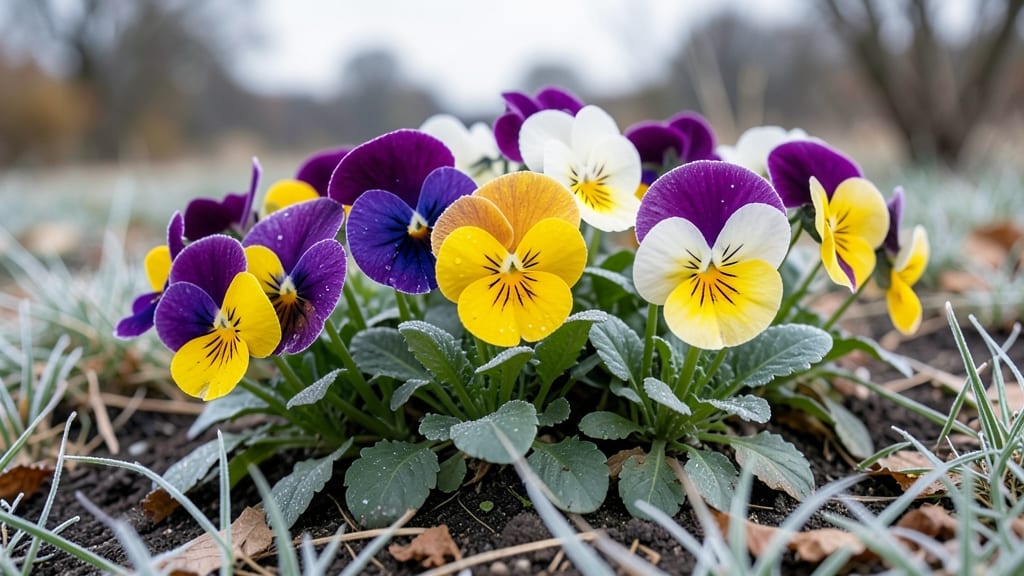
Skip the summer-only color rush—pansies deliver year-round charm with their cheerful faces that bloom from early autumn straight through winter. These cold-hardy annuals thrive in temperatures as low as 20°F, making them perfect for gardeners who refuse to let frost steal their joy.
Plant them in containers, window boxes, or garden edges where their vibrant hues (purple, yellow, white, and bi-colors) will pop against bare soil or evergreens. For a bonus, harvest young leaves and flowers for edible garnishes—just avoid the bitter roots. Deadhead spent blooms to encourage more flowers, but otherwise, they’re nearly foolproof.
Urban gardeners and beginners will love pansies for their low-maintenance resilience and ability to brighten patios or balconies. Just protect them from heavy snow buildup, and you’ll have blooms until spring. 🌷
Cyclamen: Elegant Blooms for Indoor and Outdoor
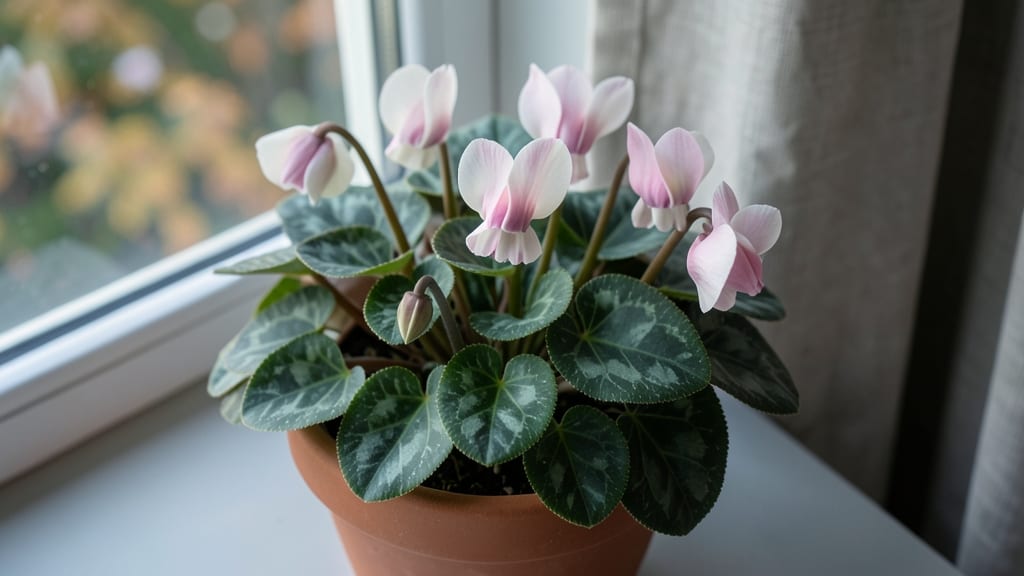
Looking for a low-maintenance flower that adds elegance to your space without demanding constant attention? Cyclamen delivers delicate blooms from late autumn through early spring, thriving in cool indoor spots like windowsills or shaded outdoor garden corners.
This versatile plant prefers well-draining soil and moderate moisture—water just enough to keep the soil slightly damp, as overwatering can cause root rot. Its heart-shaped leaves and fragrant flowers in shades of pink, white, or purple make it a standout in containers or garden beds. Unlike many winter bloomers, cyclamen hates heat, so keep it away from direct sunlight or warm drafts.
Perfect for urban gardeners with limited space or beginners who want a fuss-free flower, cyclamen brings seasonal color with almost no effort. Just remember to let the foliage die back naturally after blooming—it’s entering its dormant phase! 🌷
Daffodils: Classic Winter Brighteners
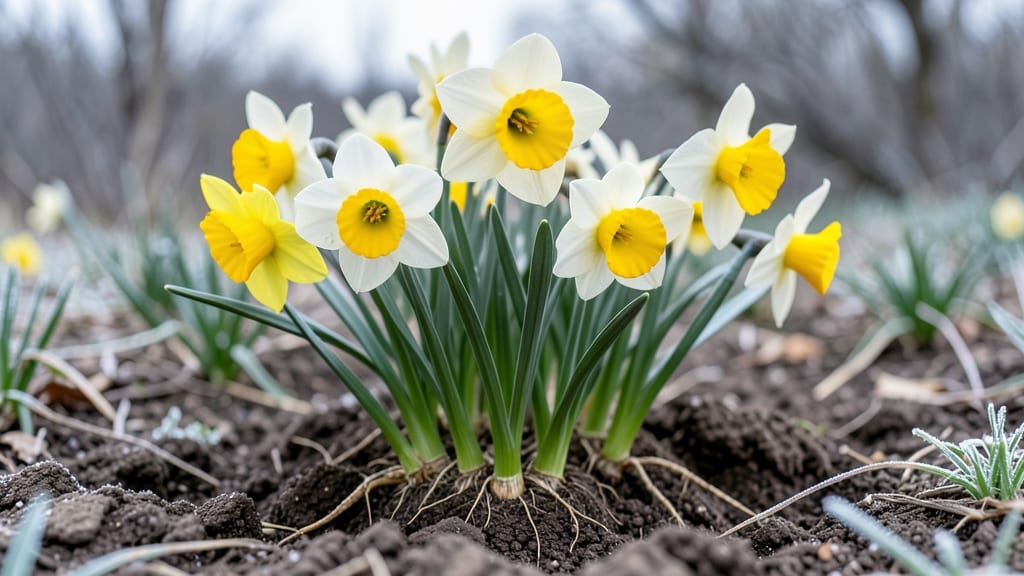
When the world still feels frozen, daffodils burst through the soil like nature’s own alarm clock, announcing spring’s arrival with their bright yellow and white blooms as early as February in many climates.
These low-maintenance perennials thrive in full sun to partial shade and tolerate cold temperatures, making them ideal for late-winter gardens. Plant bulbs in fall for next year’s blooms, and enjoy their cheerful color without worrying about deadheading—spent flowers can stay in place for a rustic look. Deer and squirrels often leave them alone, too!
Perfect for beginners or gardeners who want instant color, daffodils also naturalize beautifully over time, creating a self-sustaining display year after year. 🌱
Sweet Box: Fragrant Winter Clusters
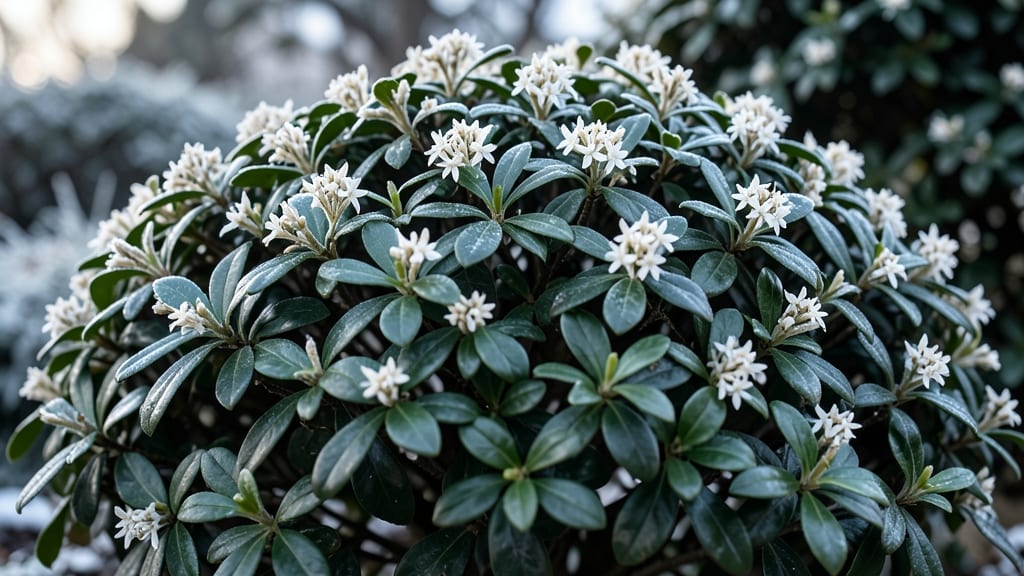
When you crave a burst of fragrance and color in the bleakest winter months, sweet box (Sarcococca) delivers with tiny but intensely sweet-smelling white flowers that appear from late winter into early spring. Unlike many winter bloomers, this evergreen shrub offers year-round interest with glossy, dark green foliage that stays lush even in cold snaps.
Thriving in USDA zones 7-9, sweet box prefers partial to full shade and tolerates a range of soil types, making it ideal for urban gardens or shaded borders. Its compact growth (3-5 feet tall) lets you plant it as a low hedge, border, or even in containers. The fragrance—often compared to jasmine—releases most strongly on cool, still evenings, creating a magical sensory experience.
Perfect for gardeners who want low-maintenance structure with seasonal rewards, sweet box also attracts pollinators like bees and butterflies. Even better, it’s deer-resistant, so you won’t need to worry about hungry wildlife ruining your winter display. 🌿
Snowdrops: Harbingers of Spring
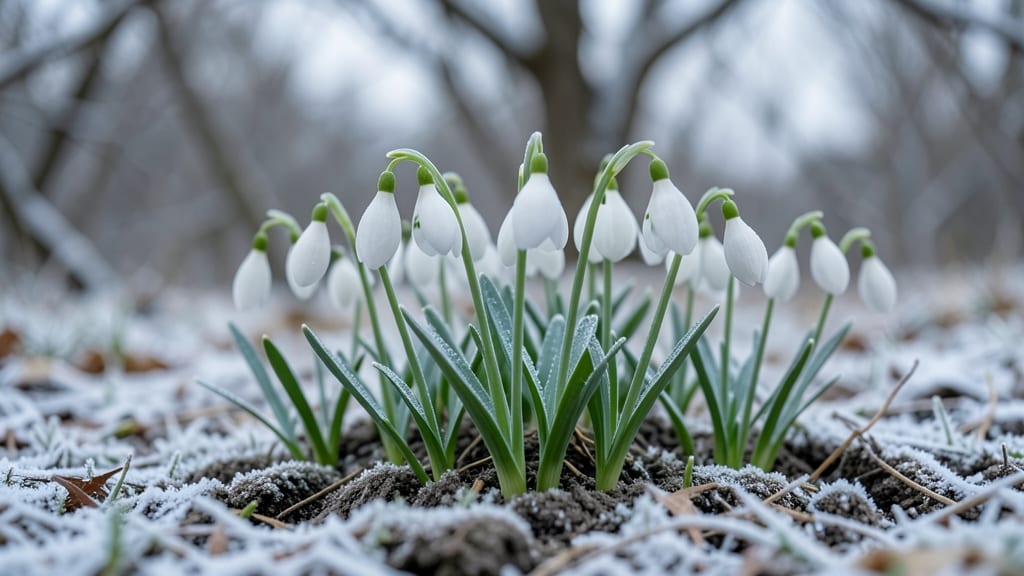
When winter’s chill still lingers, snowdrops emerge like tiny messengers of hope, their delicate white bells piercing through frost-covered soil. Unlike other winter bloomers, they thrive in USDA zones 3-9, making them one of the hardiest early-season flowers you can plant.
These cold-hardy perennials prefer moist, well-drained soil and partial to full shade, often blooming as early as December in milder climates or February in colder regions. Their subtle beauty makes them perfect for naturalizing under trees, along woodland edges, or even in containers on patios. With minimal care—just occasional watering and division every few years—they’ll reward you with year-round greenery and early spring blooms.
For gardeners who love symbolism, snowdrops represent resilience, making them a meaningful addition to any winter garden. Their quiet charm also pairs beautifully with evergreens or early crocuses for a low-maintenance yet stunning display. 🌱
Crocuses: Tiny but Mighty Winter Bloomers
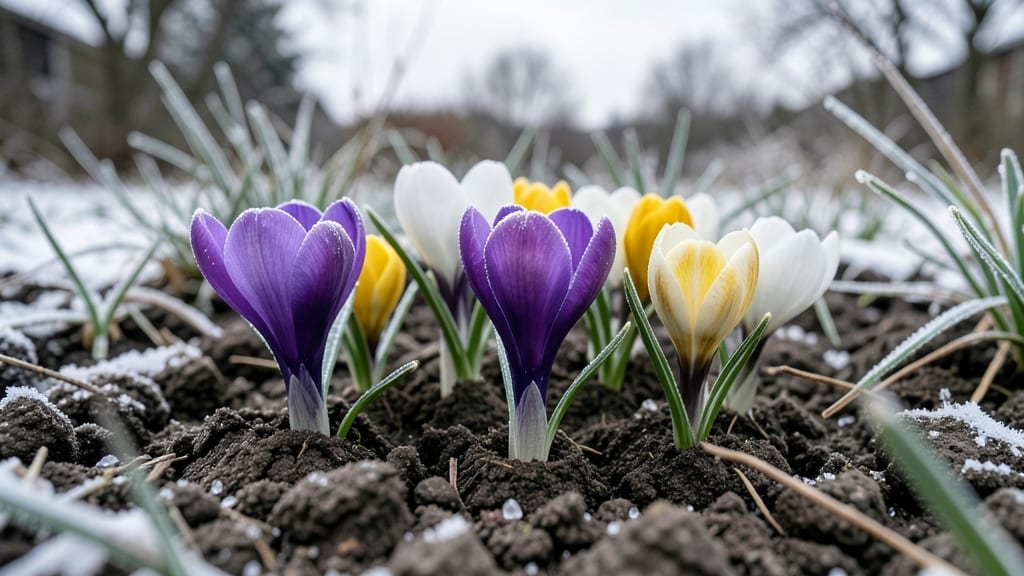
When your garden looks like a winter monochrome, crocuses punch through the soil with bold purple, white, or golden blooms—often appearing before snow melts. These tiny powerhouses are one of nature’s first signs of spring, and they’re easier to grow than you’d think.
Plant crocus bulbs in late summer or early fall for late-winter blooms (typically February-March). They thrive in full sun to partial shade and prefer well-draining soil, making them ideal for naturalizing lawns or brightening containers. A single bulb produces multiple stems, creating a stunning carpet effect with minimal effort.
Perfect for beginner gardeners or urban spaces, crocuses require almost no maintenance—just a little water after planting. Their early blooms also provide vital nectar for emerging pollinators. 🌱
Ornamental Cabbage and Kale: Edible Winter Color

Skip the flowers this season and let ornamental cabbage and kale steal the show with their bold, frost-kissed foliage in jewel-toned purples, creamy whites, and deep greens. These cold-hardy plants thrive when most gardens go dormant, offering year-round color that doubles as edible garnishes for salads or cocktails.
Plant them in full sun for the most vibrant colors, and space varieties like 'Redbor' kale or 'Osaka' cabbage 12-18 inches apart in well-drained soil. They’re drought-tolerant once established, making them ideal for low-maintenance gardeners or urban containers. Harvest outer leaves for fresh greens, or let them stand for winter interest.
Perfect for beginners or gardeners who want to extend their growing season without fuss, these plants add texture and color to beds, borders, or even indoor arrangements. 🌟