
Blooming
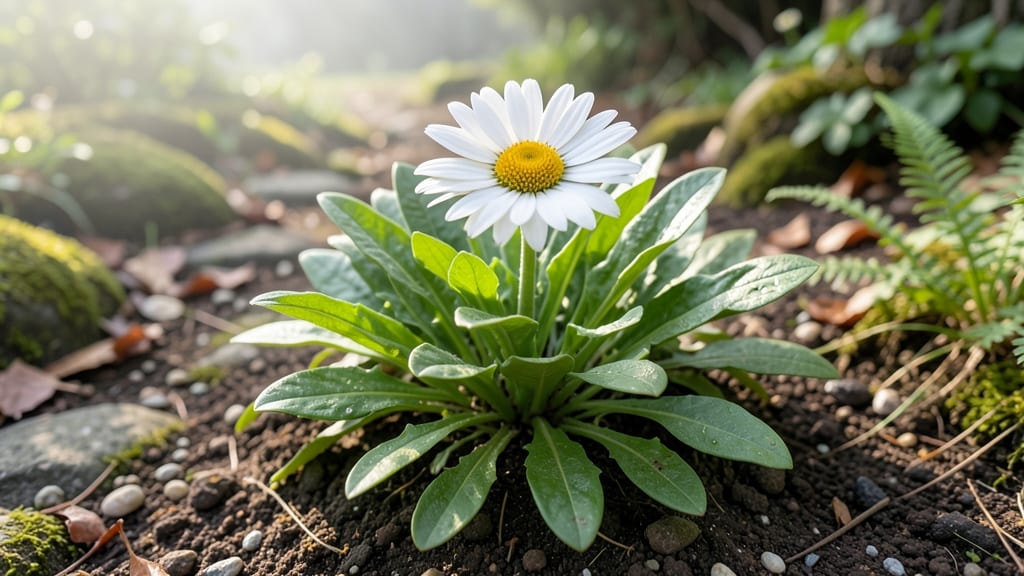
English daisies bloom at the perfect time in late spring through summer, with their cheerful 🌼 faces appearing as early as May in warmer zones and stretching into September in cooler climates.
If you're dreaming of a garden bursting with cheerful English daisies but unsure when to expect those delicate blooms, timing is everything—especially when varieties and climates vary so widely.
These hardy perennials thrive in USDA Zone 6a and beyond, but their bloom windows shift dramatically depending on whether you're in a mild coastal area or a chilly inland region. Some varieties, like 'Queen Elizabeth,' may start as early as April, while others linger into frost.
Below, I’ll break down the exact months for popular varieties, how to adjust for your climate, and 5 pro tips to coax earlier or longer blooms—so you can enjoy their charm from first flush to final fade.
English daisy bloom time by popular varieties (with exact months)
English daisies (Bellis perennis) are perennial favorites that reward gardeners with cheerful blooms from early spring through fall. But not all varieties bloom at the same time—some are early-season stars, while others shine later.
Understanding these timing differences helps you plan for continuous color and adjust care based on your climate zone.
Cooler regions like USDA Zones 3-6 typically see blooms 2-4 weeks earlier than warmer zones (7-10). For example, my 'Nana' variety in Zone 5 bursts into bloom by late April, while the same variety in Zone 9 waits until mid-May.
Let’s break down the bloom windows for your favorite varieties.
If you’re in a warmer climate, like Zone 9 or 10, expect blooms to shift 2-3 weeks later due to prolonged warmth. For instance, my 'Queen Elizabeth' daisies in Arizona bloom from June to October, while they’d start in May in Zone 5.
This delay gives you a longer summer display, but you’ll need to water more frequently to prevent stress.
For cooler climates, like Zone 3 or 4, early varieties like 'Nana' often bloom as soon as soil thaws in late April. However, a late frost can damage tender buds.
To protect your daisies, cover them with frost cloth until temperatures stabilize above 32°F. I’ve found that mulching with straw also helps insulate roots and encourages earlier blooming.
Some varieties, like 'Tasso', are late-season bloomers and shine when other daisies fade. Their dark red centers add drama to summer and fall gardens. If you want to extend your daisy season, plant a mix of early, mid, and late varieties.
For example, pair 'Nana' (early) with 'Queen Elizabeth' (mid) and 'Tasso' (late) for continuous color from April to October.
Light exposure also tweaks bloom times. English daisies need 6+ hours of sun daily for optimal flowering. In shadier spots, blooms may arrive 2-3 weeks later and produce fewer flowers.
My shade-tolerant 'Alba' variety in partial shade blooms in June instead of May, but the flowers are still stunning. To maximize blooms, place daisies in the sunniest spot possible.
Deadheading—removing spent blooms—can prolong flowering by 3-4 weeks. I deadhead my daisies weekly in spring and summer, which encourages new buds to form. Skip this step, and you’ll miss out on continuous reblooms throughout the season.
For varieties like 'Queen Elizabeth', deadheading also helps maintain their neat, compact shape.
Fertilizing at the right time boosts bloom production. Apply a balanced 10-10-10 fertilizer in early spring (March-April) to jumpstart growth, then again in mid-summer (July) to support late-season blooms.
Over-fertilizing in fall can lead to weak stems and fewer blooms next year. I’ve found that compost tea in spring also gives my daisies a nutrient boost without risking overfeeding.
Finally, remember that English daisies are perennials, meaning they’ll return year after year with proper care. With the right variety mix and climate adjustments, you can enjoy months of daisy blooms—from spring’s first flush to fall’s final petals.
Start planning your bloom timeline today and watch your garden transform into a cheerful daisy paradise! 🌼
How climate zones affect English daisy bloom time (USDA guide)
Understanding your USDA hardiness zone is key to predicting when your English daisies will burst into bloom. These hardy perennials thrive in zones 3 through 10, but their bloom timing shifts dramatically depending on whether you're in a chilly Zone 4 or a balmy Zone 9.
In cooler climates, expect flowers as early as late winter, while warmer zones may see blooms stretching from fall to spring. The secret lies in how temperature fluctuations trigger their natural growth cycles.
English daisies are perennial plants, meaning they return year after year—but their bloom windows vary by 1-3 months across zones. For example, gardeners in Zone 5 often see their first blooms in March or April, while those in Zone 8 might enjoy continuous flowers from October through May.
This variability means you’ll need to adjust your planting and care strategies based on your local climate to maximize those cheerful white, pink, or red blooms.
- 🌱 Zone 3-5: Blooms appear March-April (earliest in the year) due to cold winters breaking dormancy.
- 🌿 Zone 6-7: Peak blooming in April-May, with secondary waves in fall if temperatures stay mild.
- ☀️ Zone 8-9: Continuous blooms from October-May; heat stress can reduce flowers in summer.
- ✂️ Zone 10: Fall planting yields winter blooms; deadhead regularly to encourage reblooming.
Pro Tip: Use mulch in Zone 3-5 to protect roots and extend the bloom season.
In cooler zones (3-5), English daisies often bloom earlier in the year because the cold winter dormancy resets their growth cycle. I’ve seen my Zone 4 garden produce first blooms by late March, even under snow.
To extend this window, apply a 2-3 inch layer of mulch in late fall to insulate roots. This simple trick can push blooms into early April or later, giving you a longer display.
Warmer climates (Zone 8-10) pose a different challenge: heat stress can cause English daisies to bolt or go dormant during summer. In my Zone 9 garden, I’ve noticed blooms fade in June unless I provide afternoon shade.
Use lightweight shade cloth (30-50% coverage) during peak heat to protect flowers. Additionally, water deeply in the morning to prevent wilting and maintain vibrant blooms through fall and winter.
For gardeners in transition zones (6-7), the key is timing your care. These zones experience four distinct seasons, so I focus on deadheading spent blooms to encourage reblooming in late summer.
In my Zone 7 garden, this practice extends the bloom season by 4-6 weeks. Pair this with a balanced fertilizer (10-10-10) in early spring to give plants the nutrients they need for robust growth.
No matter your zone, the USDA hardiness zone map is your best friend for planning. Start by identifying your zone, then adjust your planting schedule and care routine to match.
With the right approach, you can enjoy English daisies blooming nearly year-round—whether you’re in a frosty Zone 3 or a sunny Zone 10.