
Flowers
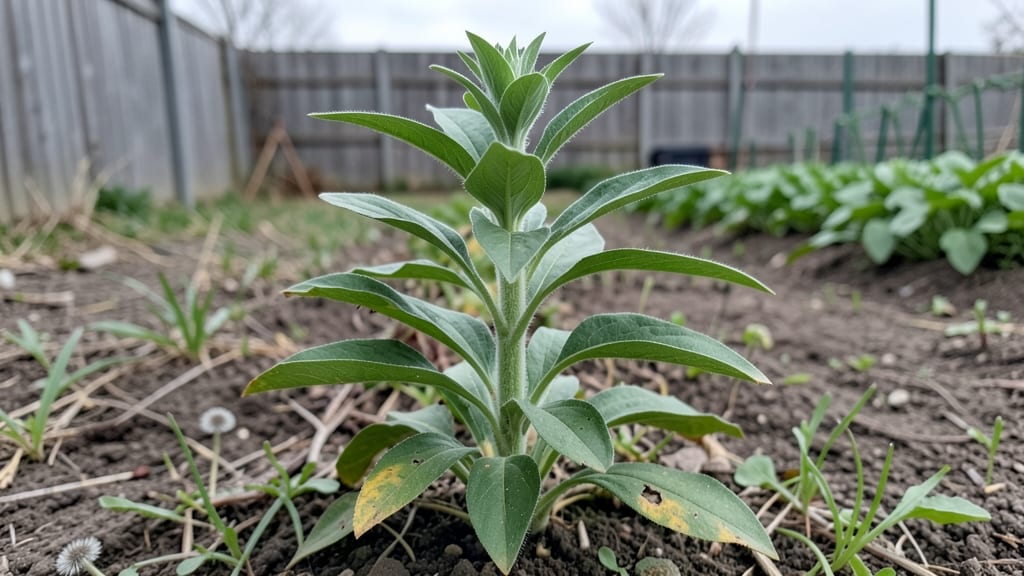
Preparing your echinacea 🌼 before bloom is the secret to those showstopping purple cones you’ve been dreaming of all season.
Struggling to get your echinacea plants to produce vibrant, long-lasting blooms year after year? The key lies in what you do before those iconic purple cones even appear—pruning at the right time can double your flower power while keeping your plants healthy and robust.
Most gardeners wait until after blooming to tidy up, but the real magic happens in late winter or early spring. That’s when you remove last year’s dead stems, clear out crowded growth, and give your echinacea the energy it needs for a longer, more spectacular display.
Below, I’ll walk you through the exact steps—when to prune, how much to cut, and what to avoid—to ensure your echinacea puts on its best show from July through September.
When and how to prune echinacea before bloom for maximum growth
Pruning echinacea before bloom isn't just about tidying up—it's a growth hack to ensure your plants put all their energy into producing vibrant blooms later in the season. The best time to prune is late winter to early spring, just as new growth begins but before buds form.
This timing removes dead foliage and diseased stems while leaving the plant's energy reserves intact for future blooms.
If you skip this step, you risk reduced flowering, pest infestations, or even plant decline. The key is to cut back 1/3 of the plant's height while preserving the central bud that will produce next year's flowers.
For first-year plants, minimal pruning is needed—just remove any dead or damaged leaves to avoid stress.
Step-by-Step Guide to Pruning Echinacea Before Bloom
- 1 Choose the right time: Prune in late winter (February-March) or early spring (April), after the last frost but before new growth appears. For Zone 5-7, aim for March 15-April 15.
- 2 Gather tools: Use sterilized pruners, sharp shears, and disinfectant (1 part bleach to 9 parts water) to prevent disease spread. Avoid dull tools that tear stems.
- 3 Remove dead foliage: Cut back brown, crispy stems and last year's flower heads at the base. Look for hollow stems or blackened centers—these are signs of disease and must be removed.
- 4 Trim 1/3 of height: For mature plants, cut back 1/3 of the plant's height (about 6-12 inches) to encourage bushier growth. Avoid cutting into the central bud where next year's blooms will form.
- 5 Shape for airflow: Thin out crowded stems to improve air circulation and reduce fungal risks. Aim for 3-5 main stems per plant for optimal bloom production.
- 6 Clean up debris: Remove all pruned material from the garden to prevent pests and diseases from overwintering. Compost healthy clippings or dispose of diseased ones in the trash.
- 7 Fertilize lightly: After pruning, apply a balanced fertilizer (5-10-10) to replenish nutrients. Use 1 tbsp per plant and water thoroughly to avoid root burn.
- 8 Mulch the base: Add 2-3 inches of mulch (straw or shredded leaves) to retain moisture and regulate soil temperature. Keep mulch 6 inches away from stems to prevent rot.
For dwarf varieties like Green Envy, prune more conservatively—just remove dead stems and trim back 1/4 of the height. These compact plants need less aggressive pruning to avoid stunted growth. Meanwhile, tall varieties like Purple Coneflower can handle heavier pruning to maintain their upright structure.
After pruning, monitor your echinacea for new shoots within 2-3
Common pruning mistakes that kill echinacea blooms (and how to avoid them)
Even the most experienced gardeners accidentally sabotage their echinacea blooms with pruning mistakes. The wrong cut at the wrong time can leave your plants weak, stunted, or worse—completely devoid of those stunning purple cones you love.
I’ve seen it happen too many times: gardeners meaning well but accidentally cutting back too much, too late, or with the wrong tools. Let’s fix that.
The pre-bloom phase is critical for echinacea. This is when your plant stores energy for next year’s flowers. Prune incorrectly, and you’ll starve it of the nutrients it needs to produce those iconic blooms.
The good news? Avoiding these 5 common mistakes will keep your echinacea thriving and blooming like crazy for years to come.
Here’s what NOT to do—and how to prune like a pro instead.
✂️ Echinacea Pruning Before Bloom: Do’s & Don’ts
DO:
- Prune in late winter (Feb-Mar) to remove dead foliage
- Use sharp, clean shears to avoid tearing stems
- Cut 1/3 of plant height max—never more
- Leave lower leaves intact for photosynthesis
- Disinfect tools between cuts with rubbing alcohol
DON'T:
- Prune after buds form (April-May)—this kills blooms
- Remove more than 1/3 of plant—stunts growth
- Use dull shears—tears stems, invites disease
- Ignore yellow/brown leaves—could signal fungal issues
- Over-prune young plants—they need all their leaves
Let’s break down the biggest pruning blunders and how to avoid them. First up: pruning too late. Many gardeners wait until spring to prune, but by then, your echinacea has already started forming next year’s buds.
Cutting after March 15th risks removing flower buds before they even open. Instead, prune in late winter (Feb-Mar) when the plant is still dormant.
Another critical mistake is removing too much foliage. Echinacea needs its leaves to photosynthesize and build energy for blooms. Never trim more than 1/3 of the plant’s height. Focus on cutting back only the dead or brown stems, leaving the healthy green growth intact.
This ensures your plant has enough energy to produce those vibrant purple blooms later in the season.
Using dull or dirty pruners might seem harmless, but it’s a recipe for disaster. A dull blade tears stems instead of making clean cuts, which can introduce bacterial infections like powdery mildew.
Always use sharp, sterilized shears and wipe them down with rubbing alcohol between cuts. Your echinacea will thank you with stronger stems and more abundant blooms.
Ignoring signs of disease or pests is another silent bloom-killer. If you notice yellowing leaves, black spots, or chewed foliage, don’t just prune—identify the problem first. Fungal issues like powdery mildew thrive in damp conditions, so prune on dry days and avoid overhead watering.
For pests, consider a neem oil spray to protect your plant while it recovers.
Finally, over-pruning is a surefire way to stifle your echinacea’s growth. Young plants, in particular, need all their leaves to establish strong roots. If you’ve accidentally pruned too aggressively in the past, don’t panic—your plant can recover!
Just reduce watering slightly and fertilize lightly in early spring to help it bounce back. With the right care, your echinacea will reward you with longer, more vibrant blooms next season.
Remember, the goal is to encourage growth, not stress your plant. Prune with purpose, and your echinacea will thrive—producing those show-stopping blooms you’ve been dreaming of. Happy pruning! 🌼