
Blooming
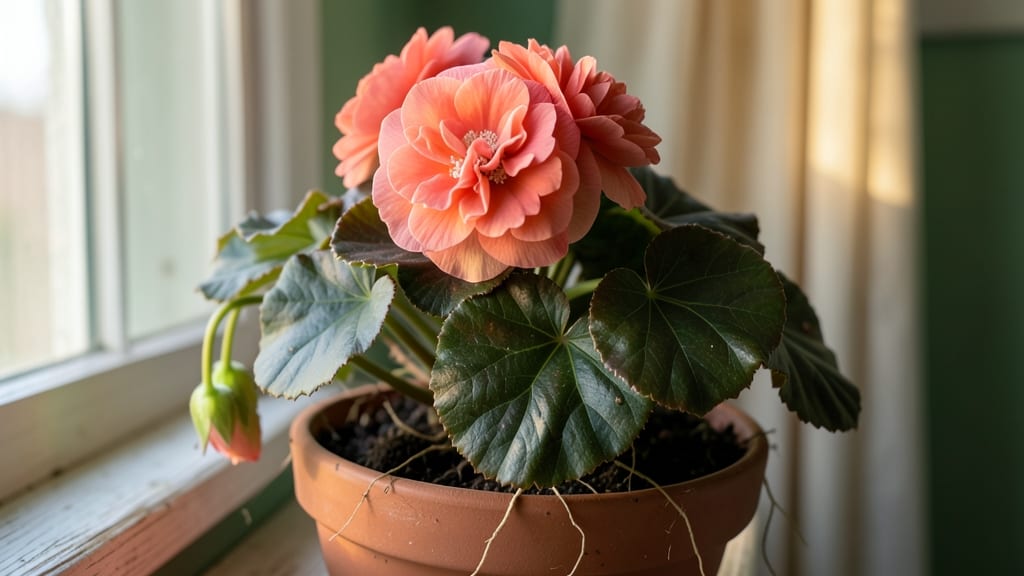
Double bloom begonias transform any space with their nonstop purple blooms, but the secret to their showy performance lies in precise pruning triggers. 🌸 I’ve learned the hard way that cutting at the wrong time means fewer flowers and more leggy stems—so I’m sharing the exact moments and techniques that keep my plants blooming like clockwork, even through summer’s heat.
The magic happens when you prune right after flowering and again in early spring, always cutting just above a leaf node to encourage new growth. Most gardeners miss the second trim, which is what keeps begonias producing through fall.
You’ll need sharp scissors, a light hand, and a sunny spot with morning sun and afternoon shade—too much direct light scorches the leaves, while too little slows blooming.
Within 3-4 weeks of proper pruning, you’ll see fresh buds forming along the stems, and the foliage stays lush and glossy.
The key is consistency: pinch back leggy growth in spring, deadhead spent blooms in summer, and give them a final haircut in late summer to push one last flush of flowers before winter.
It’s the difference between a few blooms here and there and a purple waterfall of color that lasts all season.
Works just as well for indoor windowsill gardens as outdoor beds—just adjust watering slightly. Begonias are forgiving once you get the rhythm, and the payoff is worth every snip. Let’s get those blooms going!
📚 In This Guide
- What you need
- Instructions
- Tips and common mistakes
- Wrapping up and next steps
What you need
- ● Double Bloom Begonia Plant: 1 healthy, mature plant (ensure it’s labeled or confirmed as Begonia × tuberhybrida ‘Double Bloom’ variety).
- ● Pruning Shears: 1 pair of sterilized, sharp pruners (bypass pruners work best to avoid crushing stems).
- ○ Gloves: 1 pair of gardening gloves (optional but recommended to protect hands from sap and thorns).
- ● Disinfectant: 70% rubbing alcohol or hydrogen peroxide (for sterilizing tools between cuts).
- ○ Rooting Hormone (Optional): 1 small bottle of cloning gel or powder (to boost success if propagating cuttings).
- ● Well-Draining Potting Mix: 1 bag of peat-based or coco coir mix (amend with perlite or orchid bark for aeration).
- ● Containers: 1 6-inch pot (for pruned plant)
- ○ 1 small tray or propagator (if rooting cuttings, optional)
- ● Misting Bottle: 1 (to keep humidity high for cuttings, if propagating).
- ● Light: Bright, indirect light (east or west-facing window; avoid harsh midday sun).
- ● Temperature: 65–75°F (18–24°C) (double bloom begonias thrive in warmth!).
- ● Humidity: 50% or higher (use a humidity tray or pebble tray if your home is dry).
- ● Water: Room-temperature, distilled water (chlorine-free to prevent leaf burn).
- ● Patience: 🌱 Pruning triggers new growth, but blooms may take 4–6 weeks to rebound!
How to prune double bloom begonias for maximum purple flowers
Here's the simple pruning system I use to keep my begonias flowering like clockwork all season.
✂️ Step 1: Identify the Right Time to Prune
Prune your double bloom begonia right after flowering—when about half the blooms have faded. This timing ensures you're not cutting back healthy growth that could produce more flowers. Look for spent blooms with wilted petals and brown centers; these signal it's time to act.
I always prune in the morning when temperatures are cooler. This gives the plant time to recover before the heat of the day. Avoid pruning during hot afternoons or when the plant is stressed from drought or disease.
✂️ Step 2: Cut Back Leggy or Overgrown Stems
Use clean, sharp pruning shears to cut back stems that have grown too leggy or are overcrowding the plant. Aim to cut just above a leaf node where new growth will emerge. For thick stems, make the cut at a 45-degree angle to prevent water from pooling.
Don't cut back more than one-third of the plant's height at once. Begonias respond well to gradual pruning, and removing too much growth can shock the plant. Focus on stems that are stretching toward the light or looking sparse.
☀️ Step 3: Encourage Bushier Growth with Light Trimming
After removing the leggy stems, give the plant a light trim to shape it. Pinch back the tips of remaining stems to encourage branching. This creates a fuller, bushier plant that produces more blooms. Use your fingers for small pinches rather than shears.
I like to rotate the plant a quarter turn after pruning so all sides get equal light exposure. This helps prevent the plant from growing lopsided. Within 4-6 weeks, you'll see new growth emerging from the nodes where you made cuts.
💧 Step 4: Boost Recovery with Proper Aftercare
Water the plant deeply right after pruning to help it recover. Begonias prefer consistently moist but not soggy soil, so water when the top 1 inch of soil feels dry. Avoid getting water on the leaves, which can cause fungal issues.
Move the plant to a spot with bright, indirect light for the first week after pruning. Too much direct sun can stress the plant while it's recovering. Once new growth appears, gradually reintroduce it to its usual light conditions.
🌱 Step 5: Fertilize for Continuous Blooming
After pruning, feed your begonia with a balanced liquid fertilizer diluted to half strength. I use a 10-10-10 formula every 2 weeks during the growing season. This encourages strong new growth and more blooms.
Stop fertilizing in late summer if you're in a cooler climate, as growth slows down. Over-fertilizing can lead to excessive leaf growth at the expense of flowers. Always water the plant first before applying fertilizer to avoid burning the roots.
Tips & tricks for perfect double bloom begonia pruning
These simple tricks will help you keep your begonias blooming beautifully all season long.
Timing Secret: When you spot those first faded blooms with brown centers, act fast! The key is to prune when about half the flowers have wilted—this ensures you're not cutting back the next flush of blooms. I've learned the hard way that waiting too long means you might be trimming stems that could have produced more flowers. Confession: I skipped this step for years and wondered why my plants never seemed to rebound properly.
Cutting Technique: For thick stems in Step 2, that 45-degree angle isn't just for show—it prevents water from pooling at the cut site, which can lead to rot. Use clean, sharp pruning shears and make your cuts just above a leaf node where new growth will emerge. I've seen beginners make cuts too close to the leaf, which can leave ugly scars on the stem. Pro tip: Wipe your shears with rubbing alcohol between cuts to prevent spreading disease.
Light Exposure Strategy: After pruning, that first week with bright, indirect light is crucial for recovery. I've found that placing my begonias near an east-facing window works perfectly—enough light without the harsh afternoon sun. Too much direct sun can actually stress the plant while it's healing. Once new growth appears (usually within 4-6 weeks), you can gradually reintroduce them to their usual light conditions.
Fertilizing Wisdom: That half-strength 10-10-10 fertilizer every 2 weeks is a game-changer for continuous blooming. Here's what nobody tells you—begonias actually prefer being slightly under-fertilized rather than over-fertilized. The key is consistency: water first, then apply fertilizer. I've ruined more begonias by fertilizing dry soil than by any other mistake. In cooler climates, stop fertilizing in late summer when growth naturally slows down.
Pro Tips for Double Bloom Begonia
- These simple tricks will help you keep your begonias blooming beautifully all season long.
- Timing Secret: When you spot those first faded blooms with brown centers, act fast!
- Cutting Technique: For thick stems in Step 2, that 45-degree angle isn't just for show—it prevents water from pooling at the cut site, which can lead to rot.
Frequently asked questions
about double bloom begonias—because every gardener deserves a little clarity!When is the best time to prune my double bloom begonia for continuous blooms?
Prune your double bloom begonia after flowering (late spring/early summer) to encourage new growth and more blooms. Light trims can happen year-round, but avoid heavy cuts in winter when the plant rests. Aim for 1/3 of the plant’s height max—less is more for these delicate beauties!
Why aren’t my double bloom begonias reblooming after pruning?
Reblooming may stall due to low light, overwatering, or nutrient deficiencies. Ensure they get bright, indirect light (no harsh sun!) and well-draining soil. Feed with a balanced fertilizer (20-20-20) every 4-6 weeks during growing season. Yellow leaves? Time to check your watering routine!
Can I propagate double bloom begonias from pruned cuttings?
Dip cuttings in rooting hormone and place them in moist perlite or water. Keep them warm (70–75°F) and humid (a plastic bag helps!). Roots should form in 2–4 weeks. Pro tip: Use sterile tools to avoid disease—your future plants will thank you!
Are double bloom begonias cold-hardy, or do I need to bring them indoors?
These tropical darlings hate frost—they’re not cold-hardy (USDA zones 10–12 max). Once temps drop below 50°F (10°C), move them indoors near a sunny window. Reduce watering slightly in winter to mimic their natural dry season. A grow light can help if natural light fades!
What’s the difference between pruning for blooms vs. shaping my begonia?
| Bloom Pruning | Shaping Pruning |
|---|---|
| Trim spent blooms + leggy stems to redirect energy to new flowers. | Lightly snip overgrown leaves/stems to maintain symmetry. |
| Do this year-round (except winter). | Best in spring/summer after major growth spurts. |
| Use clean, sharp shears to avoid tearing. | Angle cuts just above a leaf node for bushier growth. |
Both keep your begonia happy and lush—just focus on different goals!
Wrapping up and next steps
Double Bloom Begonias are a showstopper—their vibrant purple blooms and lush foliage bring joy to any garden or indoor space! 🌸 By mastering the art of pruning (like pinching back and deadheading), you’ve unlocked the secret to nonstop, abundant flowers.
Remember, consistency is key: trim regularly, provide the right light and care, and watch your plant thrive!
Ready to level up your green thumb? Start by joining a plant-loving community or experimenting with propagating your pruned cuttings—you might just grow a whole new collection! 🌱