
Blooming
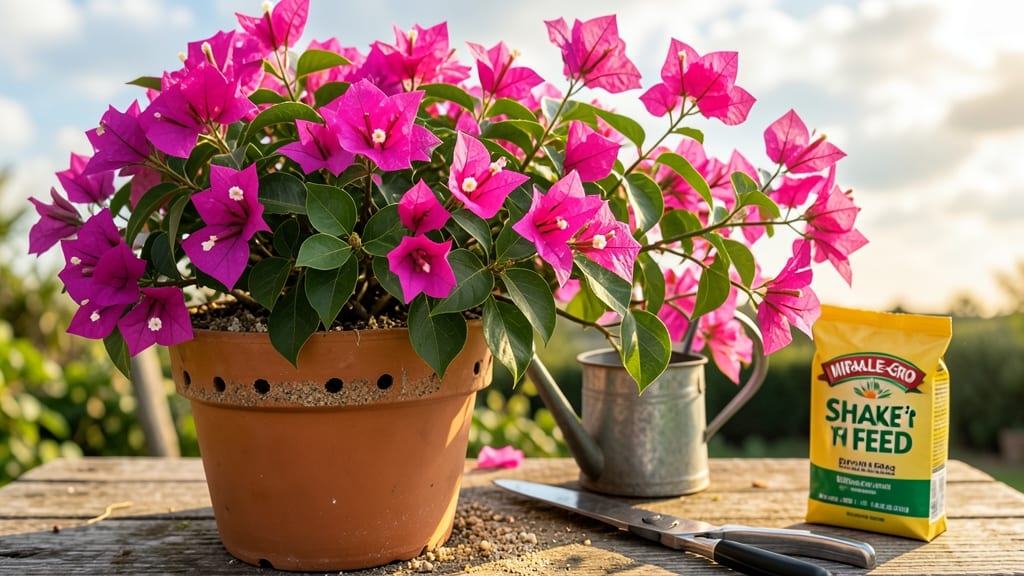
Sunlight triggers and pruning secrets are what turn your bougainvillea from a leafy green wall into a riot of color. 🌸 I've wrestled with leggy, non-blooming potted bougainvilleas for years, and the difference between a thriving plant and a sad one comes down to three things: 6+ hours of direct sun daily, strategic pruning to encourage new growth, and a little seasonal care tweak most gardeners miss.
The biggest mistake? Assuming bougainvilleas are low-maintenance just because they look tough. They're actually sun-worshippers that need well-draining soil, regular watering (but never soggy roots), and a spring pruning that forces fresh blooming stems.
My plant went from two blooms to a foot-wide explosion of color after I adjusted these three factors last spring.
You'll see the first flush of blooms within 4-6 weeks of proper care, and the plant will keep producing through fall with the right fertilizer boost. The key is understanding that bougainvilleas bloom on new growth—so pruning isn't about shaping, it's about triggering fresh stems that carry those vibrant bracts.
Works for any container size from 5-gallon pots to hanging baskets, and adapts to balconies or patios. The secret weapon? A balanced fertilizer in spring paired with morning sun exposure—here's exactly how to make it happen.
📚 In This Guide
- What you need
- Instructions
- Tips and common mistakes
- Wrapping up and next steps
What you need
- ● Bougainvillea plant – Choose a healthy, mature plant (preferably in a 10–15 gallon pot for best results).
- ● Well-draining potting mix – A blend of cactus/succulent soil (60%) + perlite or coarse sand (30%) + compost (10%). Avoid heavy garden soil!
- ● Pot with drainage holes – Terracotta or ceramic pots (12–18 inches in diameter) work best. Ensure they have 3+ drainage holes.
- ● Balanced fertilizer – A 10-10-10 or 20-20-20 NPK fertilizer (liquid or slow-release granules). Phosphorus (P) is key!
- ● Pruning shears – Sharp, clean shears (sterilize with rubbing alcohol between cuts).
- ● Watering can with a rose attachment – For gentle, deep watering (avoid soggy roots!).
- ● Gloves – Bougainvillea thorns are sharp! Wear gardening gloves for safety.
- ● pH testing kit – Ideal soil pH: 6.0–7.0. Adjust with lime (to raise pH) or sulfur (to lower) if needed.
- ○ Mulch (optional) – Gravel or pine bark around the base to retain moisture and regulate temperature.
- ○ Epsom salt (optional) – For magnesium boost (1 tbsp per gallon of water, monthly during blooming season).
- ○ Sunlight meter or app (optional) – To track 6+ hours of direct sun daily (critical for blooms!).
Step-by-Step guide to encouraging bougainvillea blooms in containers
Here’s how I coax vibrant blooms from potted bougainvillea—no guessing, just proven techniques.
☀️ Step 1: Position for Maximum Sunlight Exposure
Bougainvillea demands at least 6 hours of direct sunlight daily to trigger blooming. Place your pot in the southwest corner of a patio or balcony, where afternoon sun is strongest. If your space lacks natural light, supplement with a full-spectrum LED grow light positioned 12-18 inches away for 12-14 hours daily.
Watch for signs of insufficient light: leaves stretching toward the sun or pale, sparse foliage. Adjust the pot’s position every few days to ensure even exposure—this prevents lopsided growth and encourages uniform blooming.
✂️ Step 2: Prune Strategically to Stimulate New Growth
Pruning isn’t just about shaping—it’s about redirecting energy toward flower production. Cut back one-third of the plant’s length in early spring, just above a leaf node where new buds form. Use clean, sharp pruners to avoid tearing stems, which can invite disease.
Here’s the trick: Prune after a bloom cycle ends. This ensures you’re trimming spent growth while leaving fresh, flowering stems intact. Avoid heavy pruning in fall or winter—bougainvillea needs its energy to survive dormancy, not produce blooms.
💧 Step 3: Water and Fertilize for Optimal Bloom Production
Bougainvillea thrives on drought-like conditions—water deeply once a week during active growth, letting the top 2 inches of soil dry out between waterings. Overwatering stresses the plant, causing buds to drop before opening. Use a well-draining potting mix with perlite or sand to prevent root rot.
Feed with a low-nitrogen, high-phosphorus fertilizer (like 5-10-5) every 4-6 weeks during spring and summer. Phosphorus promotes flowering, while nitrogen encourages leafy growth at the expense of blooms. Stop fertilizing in fall to prepare the plant for dormancy.
🌿 Step 4: Encourage Airflow and Monitor for Stress
Poor airflow invites fungal diseases like powdery mildew, which can stunt blooming. Space pots at least 12 inches apart and place them where gentle breezes circulate. If you’re growing bougainvillea indoors, use a small oscillating fan on low for a few hours daily to mimic outdoor conditions.
Watch for yellowing leaves or wilting buds—these are red flags. Yellowing often signals overwatering, while wilting buds point to sudden temperature swings (bougainvillea prefers 60-90°F). Move the pot to a stable, warm location away from drafts or heating vents.
⏰ Step 5: Time Dormancy and Winter Care Correctly
Bougainvillea needs a rest period to rebloom vigorously. In fall, reduce watering and stop fertilizing by mid-October. Move the pot to a cool, bright spot (like a garage or sunroom) where temperatures stay above 40°F. Prune lightly to remove dead or weak growth, but avoid heavy cuts.
Resume watering and fertilizing in early spring as new growth appears. This dormancy cycle resets the plant’s energy, leading to more abundant blooms the following season. If you live in a mild climate, you can keep the plant outdoors year-round, but still reduce care in winter.
Tips & tricks for perfect bougainvillea blooms in pots
Between us, the difference between a bougainvillea that just survives and one that bursts with color often comes down to these small but critical adjustments.
Lighting Strategy: If you're using grow lights in Step 1, position them just 12-14 inches above the plant's tallest point—not the pot's rim. This ensures even coverage across all foliage. I've seen plants with uneven light exposure develop patchy blooming, where one side gets vibrant while the other stays sparse. Rotate your pot quarter-turn weekly to prevent this lopsided growth pattern.
Pruning Precision: When you're cutting back that one-third of the plant in Step 2, focus on removing stems that are woody or bare—these are energy drains that don't contribute to new blooms. Leave the green, leafy stems intact, as these are where next season's flowers will form. I learned this the hard way after over-pruning and getting sparse blooms the following year.
Watering Wisdom: The "drought-like conditions" in Step 3 mean your finger should feel completely dry soil down to 2 inches before watering again. Stick your finger in—if it comes out clean, it's time to water. Overwatering is the #1 reason bougainvillea drops buds before they open. For container plants, I've found using terracotta pots helps—they dry out faster than plastic, which matches bougainvillea's natural preferences.
Temperature Transition: When moving your plant for winter care in Step 5, do it gradually over 3-5 days rather than all at once. Sudden temperature drops below 40°F can shock the plant and cause bud drop. I've seen plants that made it through winter perfectly fine when moved slowly, but struggled when rushed indoors too quickly. A sunny windowsill (above 50°F) works well for indoor wintering.
Pro Tips for Make Bougainvillea Bloom In Pots
- Between us, the difference between a bougainvillea that just survives and one that bursts with color often comes down to these small but critical adjustments.
- Lighting Strategy: If you're using grow lights in Step 1, position them just 12-14 inches above the plant's tallest point—not the pot's rim.
- Pruning Precision: When you're cutting back that one-third of the plant in Step 2, focus on removing stems that are woody or bare—these are energy drains that don't contribute to new blooms.
Frequently asked questions
Why isn’t my potted bougainvillea blooming, even with full sun?
Bougainvilleas bloom best with consistent sunlight (6+ hours daily) and a balance of stress and care. Overwatering or too much fertilizer can stunt flowers. Try letting the soil dry slightly between waterings and prune leggy growth to redirect energy to blooms. Patience is key—some varieties need 2–3 months to adjust to pot life!
When is the best time to prune for more flowers?
Prune right after the first frost (or in early spring in warm climates) to shape the plant and encourage dense, bushy growth. Avoid heavy pruning in late summer—it cuts off potential blooms for the next season. Light trimming (removing dead stems or leggy branches) can be done year-round to maintain shape and airflow.
How often should I water a potted bougainvillea to encourage blooms?
Water when the top 1–2 inches of soil are dry (about once a week in summer, less in winter). Overwatering leads to root rot and fewer flowers. Bougainvilleas thrive on drought-like conditions—think of them as drought-tolerant succulents! Well-draining soil and pots with drainage holes are a must.
Can I use regular potting soil, or do I need something special?
Regular potting mix works, but amending it with 20–30% perlite or coarse sand improves drainage—critical for blooming. Bougainvilleas hate soggy roots! For extra vigor, add a handful of orchid bark or cactus/succulent mix to replicate their native, well-draining habitats.
What should I do if my bougainvillea stops blooming in winter?
Bougainvilleas naturally slow down in cooler months, but you can extend blooms by moving pots to a sheltered spot (like a sunroom or under a patio cover) where temps stay above 40°F (4°C). Reduce watering and fertilizing—focus on light pruning to remove dead growth. Resume full care in spring when buds start forming!
Are there any bougainvillea varieties that bloom more easily in pots?
Yes! Look for dwarf or compact varieties like ‘Santa Catalina’ or ‘Orange King’, bred for containers. These handle pot life better and bloom prolifically with minimal fuss. Avoid giant varieties (like ‘Spectabilis’) unless you’re okay with aggressive pruning—they’re better suited for ground planting.
Wrapping up and next steps
Growing vibrant bougainvillea in pots is totally doable with the right care! Remember, sunlight, proper pruning, and balanced fertilization are your secret weapons for stunning blooms. Don’t stress if it takes a little time—patience and consistency will reward you with a burst of color that brightens up any space.
Now that you’re armed with these tips, go ahead and give your potted bougainvillea the love it deserves! Start by checking your plant’s sunlight exposure this weekend and tweak its care routine. Before you know it, you’ll be the proud owner of a blooming beauty that turns heads! 🌸✨