
Blooming
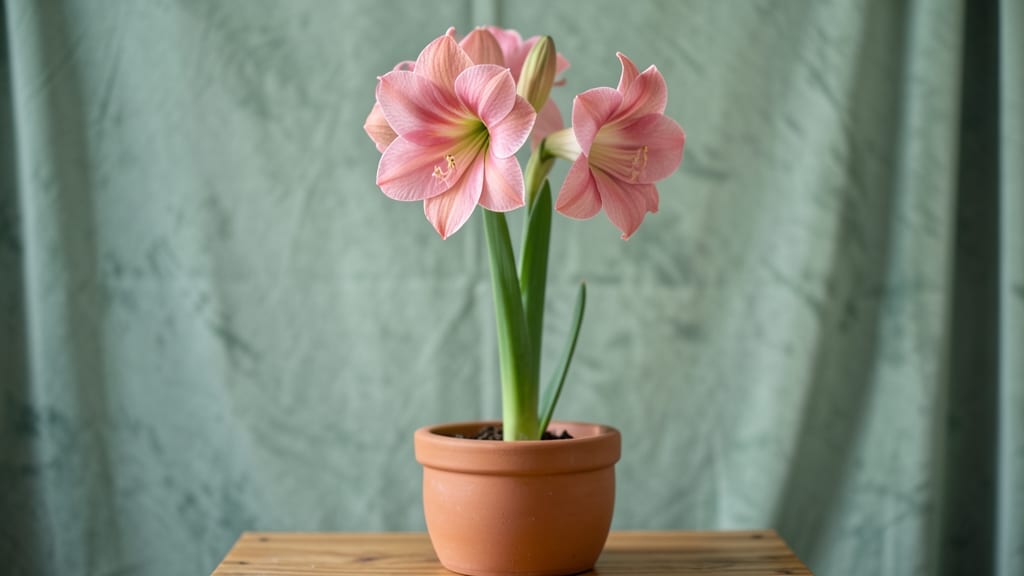
Double bloom amaryllis transforms your home into a floral showstopper with two stunning flower stalks instead of one. 🌸 I’ve forced these beauties every winter for years, and the secret lies in how you prep the bulb before planting—it’s not just about water, but the right timing and soil conditions that make the difference.
The magic starts with a healthy bulb soaked for a week before planting, followed by a well-draining mix of potting soil and perlite.
Place it in a bright spot (no direct sun yet) and keep the soil barely moist—overwatering is the fastest way to kill those blooms before they even appear. Most people rush this step, but patience here means vibrant, long-lasting flowers in just 6-8 weeks.
Once those first buds pop, you’ll want to move the pot to a cooler spot (around 65°F) to extend bloom time. A little fertilizer—just a pinch of bulb food mixed into the soil—gives them the extra boost they need for that second stalk.
The payoff? A centerpiece that lasts for weeks, with colors ranging from deep red to pure white.
After the blooms fade, don’t toss the bulb—let it rest in dry soil for 8-10 weeks before repeating the process. This is where most gardeners quit, but that’s when the real magic happens: a bulb that’s been properly cared for will reward you with bigger, more dramatic blooms each time.
Here’s how to make it happen without the guesswork.
📚 In This Guide
- What you need
- Instructions
- Tips and common mistakes
- Wrapping up and next steps
What you need
- ● Double Bloom Amaryllis Bulb: 1 healthy, mature bulb (look for Hippeastrum varieties labeled for double blooms, like ‘Double Classic’ or ‘Red Lion’).
- ● Well-draining potting mix: 2–3 cups of a cactus/succulent blend (or add perlite/vermiculite to regular potting soil for aeration).
- ● Pot with drainage: A container 1–2 inches wider than the bulb (e.g., 6–8" diameter for standard bulbs). Terracotta or ceramic works best.
- ● Water: Room-temperature, chlorine-free (let tap water sit 24 hours or use filtered).
- ○ Grow lights (optional but helpful): A full-spectrum LED bulb (12–15W) for 12–14 hours/day if natural light is <12 hours/day.
- ● Spray bottle: For gentle watering during dormancy.
- ● Fertilizer: Balanced liquid fertilizer (10-10-10 or 20-20-20, diluted to half-strength).
- ○ Decorative pebbles/moss: Optional for a potted aesthetic (cover drainage holes).
- ○ Thermometer/hygrometer: Optional for temperature/humidity tracking (ideal: 65–75°F, 40–50% humidity).
Step-by-Step instructions for forcing double blooms on amaryllis
Here’s my foolproof method for coaxing two glorious blooms from a single bulb—no fancy tricks, just patience and timing.
🌱 Step 1: Select and Prep the Bulb
Choose a healthy, mature amaryllis bulb that’s at least 4 inches wide—smaller ones often produce just one bloom. Gently remove any dried stems or roots from last season, but leave any firm, green growth intact. I like to soak the bulb in lukewarm water for 10 minutes to wake it up, then let it dry completely before planting.
This step is critical: if the bulb feels soft or mushy in spots, it won’t double-bloom. Healthy bulbs have tight, papery skins and no visible mold. Planting a weak bulb is like forcing a plant to run a marathon—it’ll collapse halfway through.
🪴 Step 2: Plant in Well-Draining Soil
Fill a 6-inch pot with well-draining potting mix (I use a blend of 1 part perlite to 2 parts cactus/succulent mix). Bury the bulb halfway, leaving the top third exposed—this prevents rot. Press the soil gently around the bulb, but don’t pack it down too tight.
Here’s the thing—amaryllis bulbs rot faster than they bloom if they sit in soggy soil. The exposed top helps regulate moisture. Water lightly after planting, just enough to settle the soil, then wait 2-3 days before watering again. You’ll see the first signs of growth in 1-2 weeks as a small green shoot emerges.
☀️ Step 3: Provide Bright, Indirect Light
Place your amaryllis in a spot with bright, indirect light—think east or west-facing window, or under a grow light 12-18 inches away. Avoid harsh midday sun, which can scorch the leaves. Rotate the pot a quarter turn weekly so the plant grows evenly.
You’ll know the light is right when the leaves stay deep green and grow upright. If they stretch toward the light or turn yellow, it’s too dim. Leggy growth means the bulb won’t have enough energy to produce a second bloom.
💧 Step 4: Fertilize and Water Strategically
After 4-6 weeks, when the first bloom stalk appears, start fertilizing with a balanced liquid fertilizer (10-10-10) diluted to half strength every 2 weeks. Water deeply when the top inch of soil feels dry—soak the pot until water runs out the drainage hole, then empty the saucer.
This is where most growers mess up: overwatering drowns the roots, while underwatering starves the bulb. I water mine in the morning so excess moisture evaporates by night. If the leaves start yellowing at the tips, cut back on water slightly.
⏰ Step 5: Encourage a Second Bloom
Once the first bloom fades, do not cut the stalk—let it die back naturally. After 2-3 weeks, you’ll see a second, smaller bud forming on the same stalk. This is your double-bloom signal! Keep fertilizing lightly (every 4 weeks) and maintain consistent watering.
The second bloom will be smaller but just as stunning. If the stalk weakens, prop it up with a small stake. Patience here pays off—rushing to cut the first bloom sacrifices the second one.
✂️ Step 6: Care for Post-Bloom and Store for Next Year
After blooming, let the leaves yellow naturally—don’t trim them until they’re completely brown. This feeds the bulb for next season. Reduce watering to once every 2 weeks, then store the pot in a cool, dry place (55-65°F) with minimal light for 8-10 weeks of dormancy.
Real talk: Skipping dormancy means fewer blooms next year. I mark the pot with the date to track the 8-week rest period. After dormancy, repot in fresh soil and repeat the process—your amaryllis will thank you with two blooms per stalk for years.
Tips & tricks for perfect double bloom amaryllis
These simple strategies will help you coax two stunning blooms from your amaryllis bulb without the guesswork.
The Bulb Selection Secret: In Step 1, when choosing your bulb, look for one with firm, tight papery skins—these bulbs have stored the most energy for blooming. I’ve found that bulbs with a slight bulge at the top (where the bloom stalk emerges) are more likely to produce a second bloom. If you’re unsure, gently squeeze the bulb: it should feel solid, not spongy. This simple check saves you from planting a bulb that might only give you one bloom—or worse, none at all.
Soaking Strategy: That 10-minute lukewarm water soak in Step 1 isn’t just about waking up the bulb—it’s about preparing it for the moisture it’ll encounter in the soil. After soaking, I always let the bulb dry completely before planting. This prevents the soil from becoming too soggy right away, which is crucial for preventing rot. Pro tip: Use a paper towel to pat the bulb dry, and let it sit for at least 10 minutes before planting to ensure all excess moisture evaporates.
Lighting Insight: In Step 3, when setting up your amaryllis, pay attention to the direction your windows face. East-facing windows provide gentle morning light that’s perfect for amaryllis, while west-facing windows give you that afternoon glow without the harsh midday sun. If you’re using a grow light, position it 12-18 inches away and keep it on for about 12-14 hours a day. I’ve noticed that amaryllis grown under grow lights produce slightly more vibrant blooms, especially in winter when natural light is limited.
Fertilizer Timing: Starting your balanced liquid fertilizer (10-10-10) at the 4-6 week mark in Step 4 is key, but here’s what I’ve learned: if your amaryllis is growing particularly fast, you can increase the fertilizer frequency to every 2 weeks. However, if the leaves start yellowing at the tips, cut back to every 3 weeks. The goal is to feed the bulb without overwhelming it—think of it like giving your plant a steady diet rather than a feast.
Pro Tips for Double Bloom Amaryllis
- These simple strategies will help you coax two stunning blooms from your amaryllis bulb without the guesswork.
- The Bulb Selection Secret: In Step 1, when choosing your bulb, look for one with firm, tight papery skins—these bulbs have stored the most energy for blooming.
- Soaking Strategy: That 10-minute lukewarm water soak in Step 1 isn’t just about waking up the bulb—it’s about preparing it for the moisture it’ll encounter in the soil.
Frequently asked questions
Got questions about making your double bloom amaryllis thrive? You’re not alone—here are the answers to the most common queries!
How long does it take for a double bloom amaryllis to flower after forcing?
With proper care, your amaryllis should bloom 6–10 weeks after planting the bulb in its potting mix. Keep it in a warm, dark spot (like a closet) for the first 4–6 weeks, then move it to bright, indirect light. Patience pays off—those stunning double blooms are worth the wait!
Can I make my amaryllis bloom twice a year?
Yes! After the first bloom fades, let the foliage die back naturally (don’t trim it), then resume watering and fertilizing. In 6–8 weeks, your bulb will store energy for a second bloom in fall or winter. Repeat the cycle for multiple seasons of double-bloom magic!
Why did my amaryllis only produce single blooms instead of double?
Double blooms require healthy, well-fed bulbs. Check these fixes:
- Fertilize monthly with a balanced bulb food (like 10-10-10) during growth.
- Avoid overwatering—soggy soil stresses bulbs.
- Give it sunlight (6+ hours/day) after forcing.
- Use a larger pot (1–2 inches bigger than the bulb) for better root growth.
What’s the best way to store amaryllis bulbs between blooms?
After foliage yellows, stop watering and let the bulb rest in cool, dry conditions (50–60°F). Store it in a paper bag or mesh sack with minimal light for 8–10 weeks. Check occasionally for rot—discard any mushy bulbs. Replant in fall or early winter to restart the cycle.
Are there alternatives to double-bloom amaryllis for forced flowering?
Try these easy-forcing bulbs for dramatic indoor blooms:
- Paperwhite narcissus – Fragrant, fast-blooming (6 weeks), and great for gifts.
- Hippeastrum (commonly called amaryllis) – Single or double blooms; varieties like ‘Apple Blossom’ are stunning.
- Crinum lilies – Unique, tropical blooms that thrive in pots.
- Anemone – Delicate, long-lasting flowers for a romantic touch.
Wrapping up and next steps
Watch your double bloom amaryllis transform into a stunning, two-flower spectacle with just a little patience and care! This forced-bloom technique isn’t just rewarding—it’s a magical way to bring vibrant color indoors year after year.
Now that you’ve got the steps and answers to common questions, it’s time to roll up your sleeves and give it a try!
Start by gathering your supplies, follow the simple steps, and soon you’ll be enjoying breathtaking blooms that feel like a gift from nature. Pro tip: Share your progress with fellow plant lovers—you might inspire someone else to try their hand at this easy yet impressive trick! 🌸✨