
Blooming
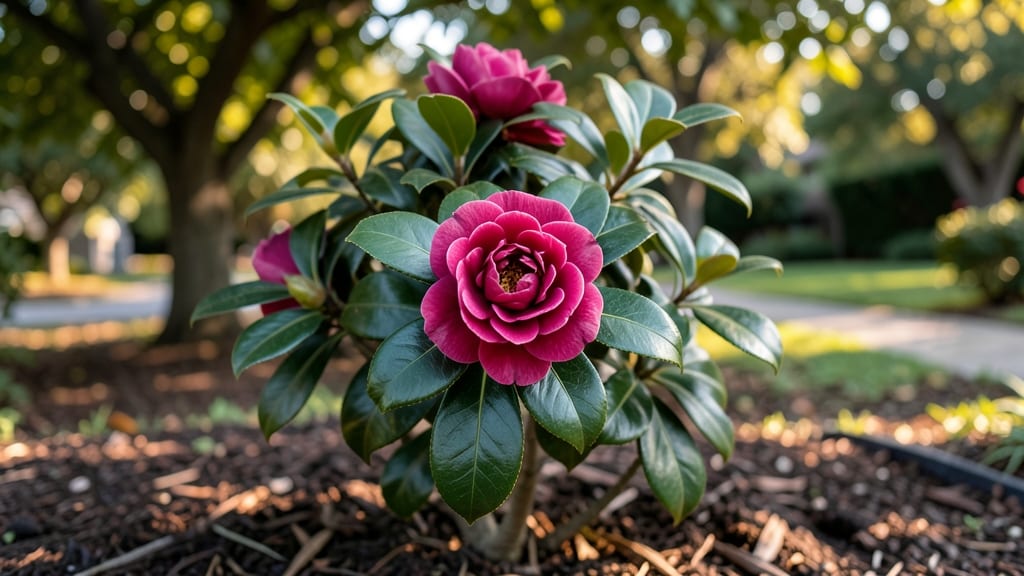
Double bloom camellias transform your garden into a lush, year-round floral display—if you prune them right. ✨ I’ve watched these velvety blooms go from sporadic to abundant after mastering the timing and technique, and I’m sharing exactly how to coax more flowers from your plants without sacrificing their health.
The key is understanding when to prune: right after flowering in spring, not in fall or winter. This timing encourages new growth that will bloom again later in the season.
Over-pruning is the enemy—stick to removing only dead, crossing, or weak branches, and avoid cutting into old wood, which won’t produce new flowers.
With the right approach, you’ll see two to three flushes of blooms per year, with each flower packed with layers of petals. The secret lies in balancing pruning with consistent watering and a slow-release fertilizer—no harsh chemicals or aggressive trimming needed.
Works for both spring-blooming and fall-blooming varieties, and even revives older plants that’ve lost their vigor. Let’s get those branches shaped for maximum impact!
📚 In This Guide
- What you need
- Instructions
- Tips and common mistakes
- Wrapping up and next steps
What you need
- ● Pruning shears – Sharp, bypass-style (avoid anvil shears to prevent crushing stems). Size: 6–8" for precision.
- ● Bypass pruners – For thicker branches (½"–1" diameter). Look for: ergonomic grips and rust-resistant blades.
- ● Disinfectant (70% isopropyl alcohol or bleach solution) – 1 part bleach to 9 parts water (sterilizes tools between cuts).
- ● Garden gloves – Cut-resistant (nitrile-coated) to protect hands from thorns and sap.
- ○ Pruning saw – Optional but handy for stubborn, woody stems (avoid if branches are <½" thick).
- ● Sharpie or plant marker – To label cuts (e.g., "bloom stimulator" or "deadwood").
- ● Compost bin or bag – For clippings (camellias are not toxic, but avoid composting if diseased).
- ● Timing – Prune after blooming (late spring/early summer for spring bloomers; late summer/fall for fall bloomers).
- ● Weather – Choose a dry, overcast day to reduce stress on the plant.
- ● Health check – Inspect for pests (e.g., scale insects) or disease (brown/black spots) before pruning.
- ● Water access – Have a hose or watering can ready to hydrate the plant post-prune.
How to prune double bloom camellias for continuous flowers
Here's my battle-tested method for transforming your camellias into nonstop bloomers—no fancy tools, just precise cuts.
✂️ Step 1: Time Your First Cut After the Spring Bloom
Wait until 4-6 weeks after your last spring flower drops before pruning. This timing ensures you don't accidentally remove next year's buds, which form on old wood. I always mark the date on my calendar because camellias bloom on last year's growth—cutting too early means fewer flowers.
Use sharp, clean pruners to make cuts just above a leaf node or outward-facing bud. The goal is to open the center of the plant to air and light. Avoid cutting into the wood—you'll see the telltale green ring where leaves attach. This is where new growth emerges.
✂️ Step 2: Shape for Airflow and Light Penetration
Remove 10-15% of the plant's total volume by cutting back overgrown branches. Focus on stems that cross or rub against others—these create wounds where pests and diseases enter. I like to step back every few cuts to visualize the plant's shape from all angles.
Never remove more than one-third of any branch in a single cut. You'll know you're doing it right when you can see light filtering through to the center. Camellias hate crowded centers—they become damp and develop fungal issues. After pruning, wipe your blades with rubbing alcohol to prevent spreading any potential pathogens.
☀️ Step 3: Encourage Summer and Fall Blooms
Light summer pruning is key for fall flowers. About 6 weeks after your first summer bloom, trim back any leggy growth that's lost its shape. Look for branches that have finished flowering—these are safe to cut back by one-third to encourage new growth that will bloom in fall.
Here's the thing—camellias bloom on old wood, but they'll produce new shoots from those cuts. You'll see tiny leaves forming within 3-4 weeks if you've pruned at the right time. These new shoots will develop buds for next season's flowers. Avoid heavy pruning in late summer—you'll risk removing next year's buds before they form.
⏰ Step 4: Final Light Pruning Before Winter
In late fall, do a final light pruning to remove any dead, diseased, or crossing branches. This is your last chance to tidy up before winter dormancy. I always check for any remaining spent blooms and trim them off—this prevents the plant from wasting energy on seed production.
Don't worry about making the plant look perfect. Camellias have a natural, lush shape that's hard to improve upon. The goal is to maintain airflow and remove anything that could harbor pests over winter. After pruning, give the plant a balanced fertilizer to support new growth in spring.
🌱 Step 5: Post-Pruning Care for Strong Regrowth
Water deeply after pruning to help the plant recover. You'll see new growth emerging from the leaf nodes within 3-6 weeks, depending on your climate. If you're in a hot, dry area, mulch around the base with 2-3 inches of organic mulch to retain moisture and regulate soil temperature.
Real talk: The first year after heavy pruning, you might see fewer flowers. That's normal—the plant is redirecting energy to regrow. But by next season, you'll have a bushier, healthier plant with more abundant blooms. I've seen camellias go from sparse spring blooms to year-round flowers after just two seasons of proper pruning.
Tips & tricks for pruning double bloom camellias
Let me share the hard-won insights that transformed my camellias from seasonal bloomers to year-round floral displays.
Timing is Everything: The 4-6 week window after your last spring bloom is critical—this gives the plant time to set next year's buds. I learned this the hard way after accidentally pruning too early and losing potential blooms. Mark your calendar when you see the first flowers fade completely, then count those weeks. In warmer climates, this window might shrink to 3-4 weeks, so adjust accordingly.
Visual Cues Over Rules: When shaping in Step 2, trust your eyes more than measurements. That "10-15% volume reduction" guideline is helpful, but what you're really aiming for is light penetration to the center. Step back frequently and imagine sunlight filtering through—this is how you know you're opening the plant properly. The goal isn't to create a geometric shape, but to restore the plant's natural ability to breathe.
Seasonal Pruning Strategy: The summer pruning in Step 3 deserves special attention. Those 6 weeks after your first summer bloom are your chance to shape the plant for fall flowers. Look for branches that have already finished blooming—these are safe to cut back by one-third. You'll know you're doing it right when you see tiny leaf buds forming within 3-4 weeks. This is your plant telling you it's happy with the cuts you made.
Post-Pruning Recovery: That 3-6 week regrowth window in Step 5 is where the magic happens. The first year after heavy pruning might show fewer flowers, but this is the plant's investment in its future. Think of it like a financial portfolio—you're taking a short-term hit for long-term gains. Water deeply immediately after pruning, then monitor soil moisture. In dry climates, that 2-3 inch mulch layer becomes even more critical for retaining moisture during the root recovery phase.
Pro Tips for Double Bloom Camellia
- Let me share the hard-won insights that transformed my camellias from seasonal bloomers to year-round floral displays.
- Timing is Everything: The 4-6 week window after your last spring bloom is critical—this gives the plant time to set next year's buds.
- Visual Cues Over Rules: When shaping in Step 2, trust your eyes more than measurements.
Frequently asked questions
about double bloom camellias—because every gardener deserves clarity! Whether you're a seasoned pruner or just starting, these answers will help you master the art of year-round blooms.What’s the best time to prune double bloom camellias for maximum flowers?
Prune right after the first bloom cycle (late spring) and again in early summer (July-August). Avoid heavy pruning in fall or winter—this can damage tender new growth. Light shaping in late winter (before buds swell) is fine, but focus on removing dead or crossing branches. Pro tip: Use sharp, sterilized shears to prevent disease!
Can I prune double bloom camellias too much? How will I know?
Yes! Over-pruning stresses the plant and can reduce—or even eliminate—future blooms. If you notice fewer buds, smaller flowers, or yellowing leaves, you’ve likely cut too aggressively. Aim to remove no more than 1/3 of the plant’s foliage per year. Double bloomers thrive on balance: shape, don’t shear.
Why aren’t my double bloom camellias reblooming like they should?
Reblooming struggles often stem from improper pruning, poor sunlight (they need partial shade), or nutrient deficiencies. Check for overcrowded branches (prune to improve airflow) and fertilize with acidic, high-nitrogen soil amendments in early spring. If buds form but drop, it could signal stress from heat or drought. Keep soil consistently moist!
Are there alternatives to double bloom camellias for year-round color?
Try Camellia ‘Yuletide’ (red, winter blooms) or Camellia ‘Spring’s Promise’ (pink, early spring). For non-camellia options, consider azaleas (spring blooms) or gardenia (summer fragrance). However, double bloomers like ‘Nuccio’s Gem’ or ‘Spring’s Promise’ are unmatched for two flushes of flowers per year.
What should I do if my camellia’s branches look dead after pruning?
Don’t panic! Scratch the bark with your fingernail—if it’s green underneath, the branch is alive. If it’s brown and brittle, cut it back to healthy growth. Sterilize your tools with rubbing alcohol to prevent fungal spread. For severely damaged plants, apply a balanced fertilizer (like 10-10-10) and mulch to retain moisture. Most camellias bounce back with patience!
Wrapping up and next steps
Double bloom camellias are a gardener’s dream, offering stunning, year-round beauty with the right care—especially pruning! By mastering the techniques shared here, you’ll encourage two vibrant blooms per season and keep your plants thriving.
Remember, patience and precision are key, but the reward is a garden bursting with color that turns heads.
Ready to transform your space? Grab your pruners, roll up your sleeves, and start pruning today! 🌸✂️ For extra inspiration, browse camellia care guides or join gardening forums to connect with fellow enthusiasts. Your double-blooming masterpiece awaits!