
Blooming
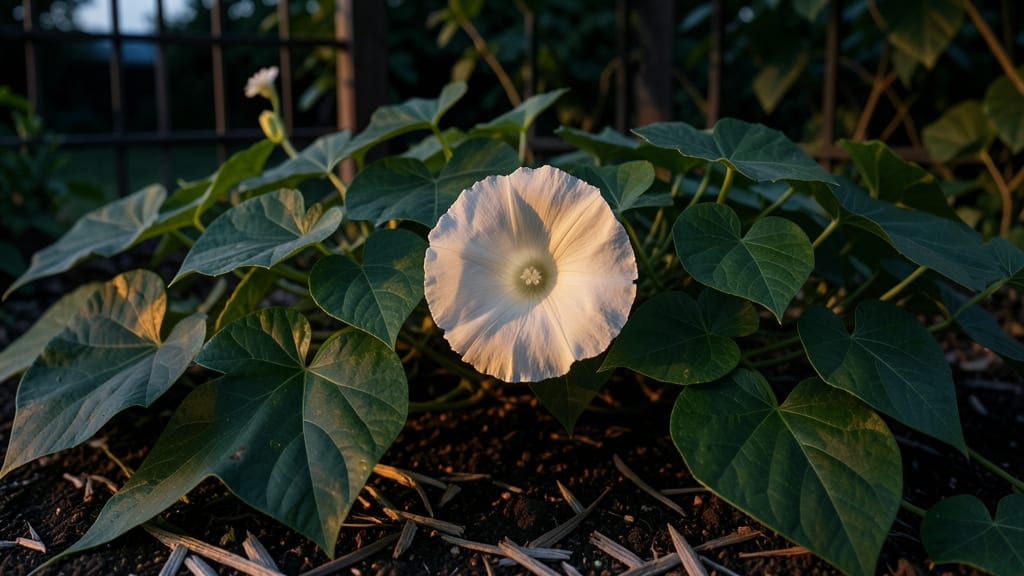
Moonlit gardens transform your yard into a magical sanctuary after dark. 🌙 Flowers that bloom in moonlight—like moonflowers and night-blooming jasmine—create a dreamy, fragrant escape when the sun sets. I’ve designed these spaces for years, and the secret lies in pairing the right plants with strategic lighting and textures.
The best nocturnal bloomers thrive in partial shade and well-draining soil, with a touch of evening moisture. Silver-leaved plants like lamb’s ear reflect moonlight beautifully, while fragrant varieties like evening primrose fill the air with sweetness.
A mix of heights and textures creates depth, making your garden feel like a living painting under the stars. Imagine strolling through a garden where the air hums with night-scented stock and the soft glow of moonlight illuminates delicate petals.
The ambiance is pure serenity—perfect for unwinding or hosting moonlit gatherings. These plants don’t just survive the night; they shine in it. Whether you’re planting in pots for a balcony retreat or designing a full moon garden, the key is balance.
Combine blooms, foliage, and lighting to craft an experience that feels like stepping into another world. Let’s bring the magic to life!
📚 In This Guide
- What you need
- Instructions
- Tips and common mistakes
- Wrapping up and next steps
What you need
- ● Moonlight-loving flowers: 5–10 plants of evening primrose (Oenothera), moonflower (Ipomoea alba), or night-blooming jasmine (Jasminum nocturnum) (check local climate suitability).
- ● Well-draining soil: 2–3 cubic yards of sandy loam mix (amend with compost for nutrients).
- ● Organic fertilizer: 1 lb of slow-release 10-10-10 fertilizer (for root establishment).
- ● Mulch: 1–2 bags of wood chips or straw (to retain moisture and suppress weeds).
- ● Watering can or hose: With a fine-mist nozzle for gentle hydration.
- ● Garden gloves & trowel: For safe planting and soil prep.
- ● Solar-powered garden lights: 3–5 warm-white LED string lights (to highlight blooms after dark).
- ● Fragrance boosters: 1 oz of lavender or citrus essential oil (mix with water for a subtle scent spray).
- ● Wind chimes or a small fountain: To enhance the nocturnal ambiance.
- ● Moonlight-reflective pebbles: A 5-lb bag of white or silver gravel (for pathways or borders).
- ● A sunny to partially shaded garden spot (6+ hours of sunlight daily for most varieties).
- ● Access to water (night bloomers need consistent moisture).
- ● Patience! Some flowers (like moonflower) take 60–90 days to bloom.
How to create a moonlit flower garden with nocturnal bloomers
Transform your garden into a twilight sanctuary with these easy steps to attract and cultivate flowers that shine after dark.
🌱 Step 1: Select the Right Nocturnal Flowers
Start with proven moon-blooming varieties like evening primrose, moonflower, four o'clocks, and night-blooming jasmine. These flowers naturally release their fragrance and open their petals under dim light. I always check local nurseries for native species—they adapt better to your climate and require less fuss.
Plant in clusters of 3-5 per variety to create visual impact. Space them 12-18 inches apart for optimal airflow, which prevents fungal issues that thrive in nighttime humidity. You'll know you've chosen well when your garden fills with sweet, honey-like scents just as the sun sets.
🪴 Step 2: Plant in Well-Drained, Moisture-Retentive Soil
Use a mix of equal parts garden soil, compost, and perlite to create loose, fertile ground. Nocturnal flowers need consistent moisture to support their evening energy bursts, but their roots must breathe. I dig in a 2-inch layer of compost before planting to give them a nutrient boost right from the start.
Amend heavy clay soil with sand or coconut coir to prevent waterlogging, which can rot sensitive roots overnight. The soil should feel like a damp sponge when squeezed—not sticky or crumbly. This balance ensures flowers stay hydrated through the night while preventing root suffocation.
☀️ Step 3: Position for Maximum Moonlight Exposure
Plant in areas with indirect moonlight—avoid deep shade where flowers won't receive any light at all. A spot that gets 4-6 hours of dappled sunlight during the day works best. I test locations by observing which areas stay illuminated under a full moon for at least 2 hours after sunset.
Group lighter-colored blooms (like moonflower) near pathways so their petals glow softly under artificial lighting. Darker varieties (such as four o'clocks) can handle slightly shadier spots. The key is creating visual layers—some flowers catch moonlight directly while others reflect it indirectly.
💧 Step 4: Water Strategically for Nighttime Blooms
Water deeply in the morning (before 10 AM) to give roots time to absorb moisture before nightfall. Aim for 1 inch of water per week, adjusting for rain. I use a soaker hose to deliver water slowly at the base—this prevents wetting leaves, which can trigger fungal diseases that thrive in evening humidity.
Stop watering by 4 PM to allow foliage to dry completely before night. Wet leaves attract slugs and snails, which are nocturnal pests that will devour your blooms before they even open. You'll notice healthier, more vibrant flowers when you maintain this schedule.
⏰ Step 5: Maintain with Seasonal Care
Deadhead spent blooms daily during peak season to encourage continuous flowering. I pinch off faded petals with my fingers in the morning—this prevents seed formation and redirects the plant's energy into producing more nighttime blooms. The rule is simple: Remove anything past its prime by 10 AM.
Apply a balanced 10-10-10 fertilizer every 6 weeks during growing season, but cut back to half-strength in late summer. Over-fertilizing late in the season can lead to weak stems that struggle to support heavy blooms overnight. You'll see the difference in sturdier stems and more abundant evening displays.
Tips & tricks for perfect moonlit flower gardens
Here's what nobody tells you about making your nocturnal blooms truly magical.
Selection Tip: When choosing your flowers, look for healthy plants with firm stems and vibrant leaves—these are the ones that'll thrive under moonlight. I always pick varieties with 3-5 blooms per plant to ensure immediate visual impact. For extra fragrance, opt for night-blooming jasmine over other varieties; its scent intensifies after dark. The key is selecting plants that already show signs of vitality during the day, as they'll carry that energy into their evening displays.
Soil Strategy: The equal parts garden soil, compost, and perlite mix is non-negotiable for these delicate plants. I've learned the hard way that skipping the perlite leads to compacted soil that suffocates roots overnight. For heavy clay soil, mix in sand or coconut coir—this creates the perfect drainage while retaining moisture. The sponge-like consistency is your goal: squeeze a handful and it should hold together but crumble easily when released. This balance keeps roots hydrated through the night without drowning them.
Lighting Secret: That 2 hours of moonlight after sunset makes all the difference. I test locations by observing which spots stay illuminated during a full moon—mark these areas with stakes before planting. For extra glow, position lighter-colored blooms like moonflower near pathways where artificial lights can enhance their luminosity. The contrast between direct moonlight and reflected light creates that dreamy, enchanted effect we all want.
Pest Prevention: The 4 PM cutoff for watering isn't just about timing—it's about giving foliage time to dry completely. I've seen slugs completely devour overnight blooms because leaves stayed damp. For extra protection, sprinkle crushed eggshells around plants (the sharp edges deter pests) and consider adding a few dwarf marigolds as natural pest repellents. These little tricks save your flowers from becoming midnight snacks.
Pro Tips for Flowers That Bloom In Moonlight
- Here's what nobody tells you about making your nocturnal blooms truly magical.
- Selection Tip: When choosing your flowers, look for healthy plants with firm stems and vibrant leaves—these are the ones that'll thrive under moonlight.
- Soil Strategy: The equal parts garden soil, compost, and perlite mix is non-negotiable for these delicate plants.
Frequently asked questions
Got questions about moonlight-blooming flowers? You’re not alone! Here are some of the most common queries—and their easy answers—to help you create your own nocturnal garden oasis.
Which flowers actually bloom at night?
Some of the most reliable night-bloomers include night-blooming jasmine, moonflower, queen of the night cactus, and evening primrose. These beauties open their petals as the sun sets, releasing intoxicating fragrances to attract pollinators like moths and bats. For a full list, check out our guide on top nocturnal bloomers!
Do these flowers need special care?
Most moonlight-blooming flowers thrive with standard care—well-draining soil, moderate watering, and partial shade (especially in hot climates). However, avoid overwatering, as soggy roots can deter blooming. Queen of the night cactus, for example, prefers dry conditions! A quick tip: mulch around the base to retain moisture without waterlogging.
Can I grow these in containers?
Many nocturnal flowers, like moonflower (a vine) or evening primrose (compact varieties), adapt well to containers. Just ensure the pot has drainage holes and is large enough for root growth. For vining plants, add a trellis or support structure. Pro tip: Use lightweight potting mix to prevent root rot in small spaces.
Why aren’t my flowers blooming at night?
If your plants aren’t opening up after dark, check these common issues:
- Light exposure: Some varieties need low light during the day to trigger night blooms. Too much sun can confuse them!
- Age/maturity: Young plants may take 1–2 seasons to establish blooming cycles.
- Pollinator absence: Without moths or bats, some flowers may skip blooming. Try planting near a light source (safely!) to attract night visitors.
Still stumped? Try troubleshooting our blooming guide.
Are there fragrant night-blooming flowers?
Yes! Fragrance is a hallmark of many nocturnal bloomers. Night-blooming jasmine and tuberose release sweet, heady scents after sunset, while evening primrose has a mild, citrusy aroma. For maximum fragrance, plant them near seating areas or pathways. Bonus: Some, like queen of the night, bloom for just one night—so plan your garden visits accordingly!
Wrapping up and next steps
Transforming your garden into a moonlit sanctuary is easier than you think—and the magic starts with the right flowers! 🌙 From fragrant night-blooming jasmine to striking moonflowers, these nocturnal beauties bring enchantment to your evenings.
Whether you’re a seasoned gardener or just starting, planting these flowers is a simple yet rewarding way to create a dreamy, serene space.
Ready to take the next step? Start small:
- Pick one or two moon-blooming varieties to test in your garden.
- Observe their unique scents and blooming patterns under the moonlight.
- Share your progress—or even your photos—with fellow plant lovers!