
Blooming
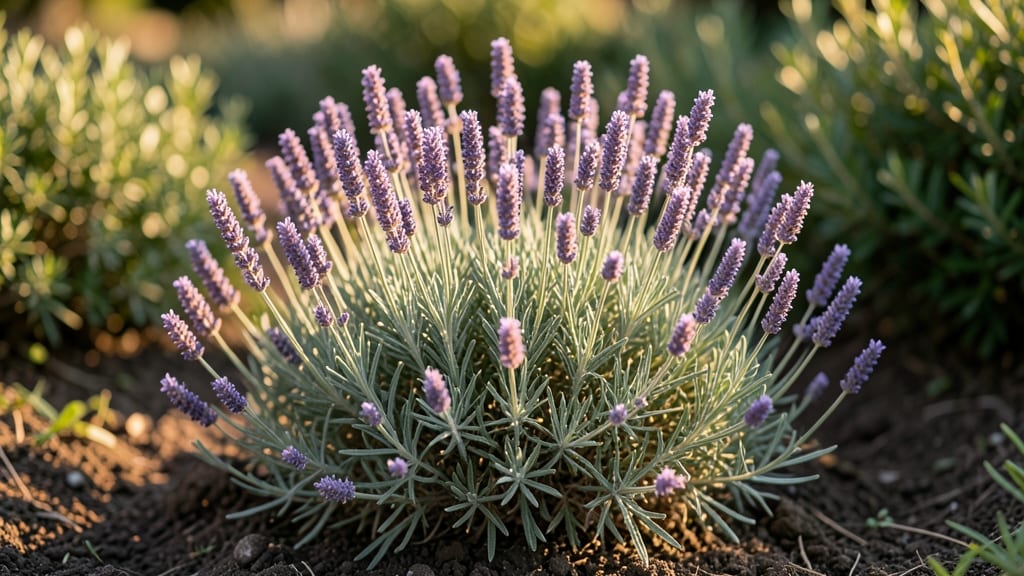
Lavender does bloom all summer under ideal conditions—typically from early June through August—but extreme heat or drought can cut blooming short. Pruning and consistent watering help many varieties like English or French lavender extend their flowering into early fall.
Lavender's blooming season varies by variety and climate, but most thrive in USDA zones 5-9 with full sun exposure. 🌞 The key is balancing heat and moisture—too much sun without proper water can stress plants, while cooler evenings help sustain blooms.
I've seen French lavender in my garden push into September when I deadhead spent flowers regularly and mulch to retain moisture.
What many gardeners don't realize is that lavender actually prefers dry conditions—overwatering is a bigger threat than drought. The secret to extending summer blooms lies in light pruning after each flush of flowers appears, which encourages new growth.
For example, Spanish lavender often blooms later than English varieties, so timing your pruning to late summer can trigger a second bloom cycle.
💡 In This Article
- Lavender Flowering Seasons by Variety and Climate
- Extending Lavender Blooms: Pruning and Care Tips
Lavender flowering seasons by variety and climate
Lavender's blooming timeline depends heavily on its variety and local climate. English lavender, the most popular choice for gardens, typically begins flowering in early June and continues through July, with some varieties pushing into August.
French lavender often starts slightly later, around late June, and may extend into early September if conditions are right. The difference comes down to their native growing zones—English lavender thrives in USDA zones 5-8, while French lavender prefers zones 6-9, where hotter summers allow for longer blooming periods.
Temperature plays a crucial role in lavender's flowering cycle. These plants need daytime temperatures between 70-90°F to bloom optimally, but they also require cooler evenings—below 60°F70°F for extended periods, lavender often responds by entering dormancy prematurely, cutting blooms short.
Spanish lavender is an exception, as it often blooms later in the season (July-August) and can tolerate slightly higher temperatures, making it ideal for warmer climates like Southern California.
The amount of sunlight directly impacts how long lavender will bloom. All varieties require at least 6-8 hours of direct sunlight daily, but too much intense midday sun without proper water can stress the plant.
In my experience, lavender in containers blooms slightly longer than in-ground plants because you can move them to provide afternoon shade during extreme heat. The key is finding that balance—too little sun stunts growth, while too much without proper care causes the plant to conserve energy by stopping flower production.
Climate also affects the blooming window. In cooler regions like the Pacific Northwest (USDA zone 7), lavender may start blooming in late June but finish by early August due to shorter growing seasons.
Conversely, in hotter climates like Arizona (zone 9), lavender might begin blooming in May but suffer from heat stress by July unless given extra care. The secret to extending blooms in hot climates is providing afternoon shade and ensuring well-draining soil to prevent root rot from summer downpours.
What's fascinating about lavender is how it responds to seasonal cues. The plant uses photoperiodism—its internal clock—to time blooming. When daylight hours begin shortening in late summer, lavender naturally prepares for dormancy.
However, if you're growing lavender in containers, you can actually delay this process by moving plants to a location with extended light exposure, sometimes pushing blooms into October in mild climates.
For gardeners in transitional zones (like zone 8), the best approach is to plant early-blooming varieties like English lavender alongside late-season performers like Spanish lavender. This staggered planting strategy ensures you'll have lavender blooms from June through September with minimal gaps.
The visual effect is stunning—purple blooms cascading through the summer months with minimal effort beyond proper care.