
Blooming
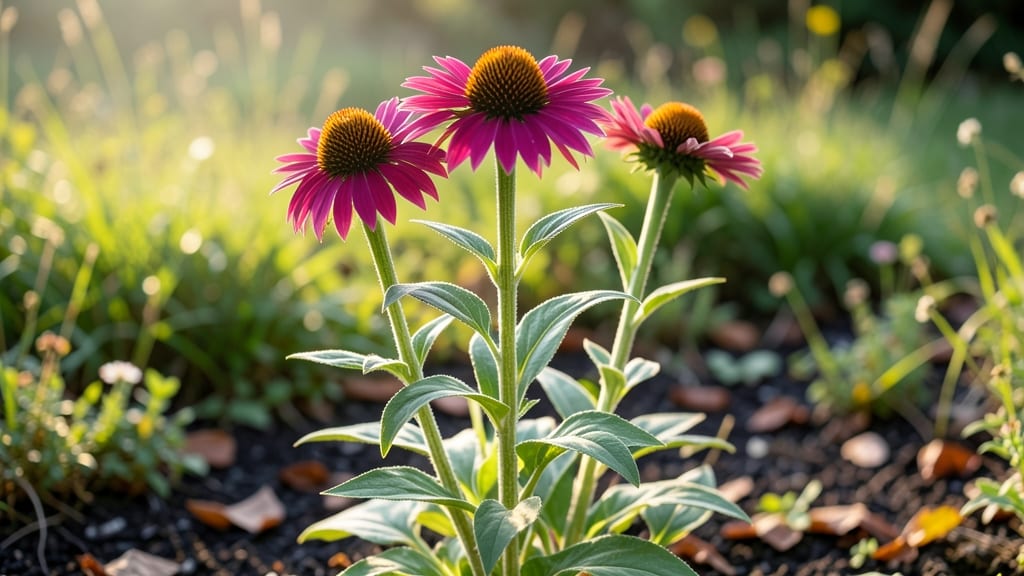
Perennials do bloom every year—but only when they receive consistent sunlight, well-draining soil, and proper watering. Many varieties need regular maintenance like pruning, division, or seasonal trimming to maintain their flowering cycle. Some perennials prioritize foliage growth over blooms or require specific conditions like cold periods to trigger flowers.
Not all perennials follow the same schedule, and some may skip flowering in certain years. 🌸 Younger plants often focus on root and leaf development before producing blooms, while mature plants might enter a rest phase.
Even well-established perennials can miss a year if they're stressed by drought, overcrowding, or poor soil nutrition. For example, peonies typically bloom for only a few years before entering dormancy, while coneflowers may need deadheading to encourage more flowers the following season.
To maximize your chances of yearly blooms, pay attention to each plant's specific needs. Regular pruning removes spent flowers and encourages new growth, while dividing overcrowded clumps refreshes the plant and promotes vigor. 💡 Soil quality matters too—amending with compost can provide the nutrients needed for consistent flowering.
Understanding your climate and adjusting care practices accordingly will help create the ideal conditions for reliable annual blooms.
💡 In This Article
- Why Some Perennials Skip Flowering Each Year
- Proven Techniques to Ensure Yearly Perennial Blooms
Why some perennials skip flowering each year
Perennials often prioritize root and foliage growth over flowering during their early years—a survival strategy called juvenile phase. For instance, peonies typically take 3-5 years to mature before producing their first blooms, while hostas may focus on leaf development for 2-3 years before flowering.
This biological delay explains why young perennials might appear lush but flowerless, even with perfect care. 🌱
The plant's energy budget plays a crucial role. When perennials like coneflowers or black-eyed Susans receive 6+ hours of sunlight daily and well-draining soil, they allocate resources to both roots and flowers.
However, stress factors like overcrowding (when roots compete for space) or nutrient deficiencies (like low phosphorus) force plants to redirect energy to survival rather than blooms. For example, a crowded daylily clump may produce fewer flowers because its energy goes toward maintaining existing leaves.
Seasonal triggers also matter. Many perennials need cold exposure (vernalization) to bloom—think of hellebores that flower in early spring after winter dormancy. Without this chill period, plants like columbines might skip flowering entirely.
Even established perennials can enter dormancy cycles, where they prioritize underground storage over aboveground growth, often due to drought stress or poor soil structure. 🌡️
Age-related decline is another factor. Peonies, for example, often bloom heavily for 5-7 years before entering a rest phase that can last decades. This isn't failure—it's a natural part of their lifecycle.
Similarly, over-fertilizing with nitrogen (the "leafy greens" nutrient) can delay or prevent flowering, as plants prioritize foliage growth. The key is understanding each species' lifecycle and adjusting care accordingly.
Environmental mismatches also disrupt flowering. A sudden temperature shift (like late spring frosts) can shock blooming perennials like bearded iris, causing them to abort flower buds. Similarly, poor drainage leads to root rot, starving the plant of energy needed for blooms.
Even improper pruning—like cutting back too late in the season—can remove next year's flower buds before they form. 🌿
Consider the coneflower (Echinacea) as a case study: It thrives in full sun and average soil but may skip flowering if divided at the wrong time (early spring instead of fall). The solution?
Match care practices to the plant's natural rhythms. For instance, deadheading spent blooms redirects energy to new flowers, while fall division gives roots time to establish before spring growth. 💐
What most gardeners overlook is that not all perennials bloom yearly—some, like heuchera or Japanese forest grass, prioritize foliage or texture over flowers. Others, like lamb's ear, produce minimal blooms because their primary appeal lies in their silvery leaves.
Recognizing these differences helps set realistic expectations and focus care on the right priorities. ✨