
Blooming
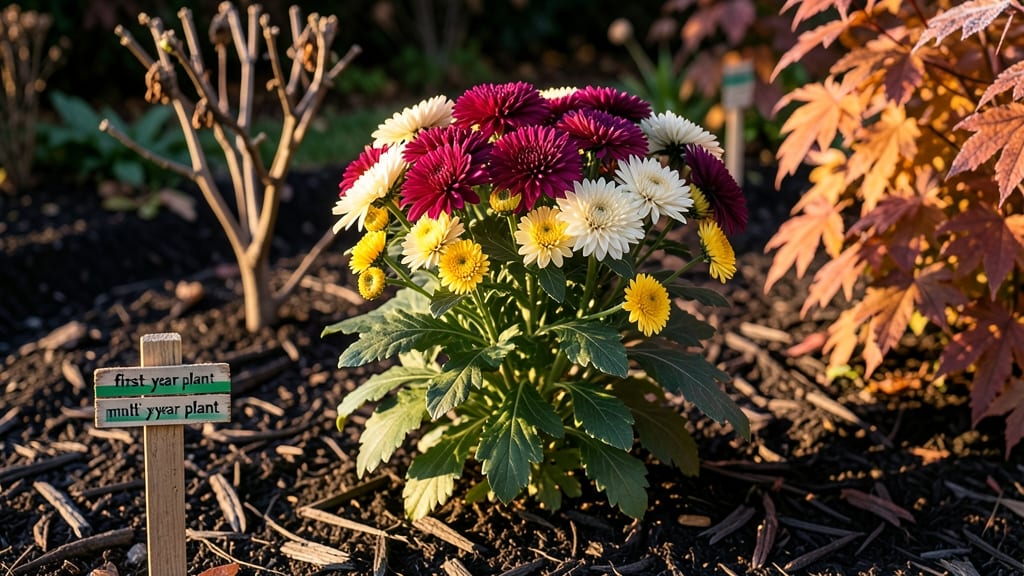
Mums (chrysanthemums) do bloom every year, but their longevity depends on variety—hardy perennials rebloom annually with proper care, while annuals require replanting. Deadheading spent blooms and winter protection extend their flowering cycles.
Chrysanthemums (mums) fall into two main categories: perennials and annuals, and this distinction explains why some varieties return year after year while others don't. 🌼 Hardy perennials, like those in the Chrysanthemum × morifolium group, store energy underground during winter, allowing them to regrow and rebloom once conditions improve.
Annuals, however, complete their entire life cycle in one season—meaning they won't return unless you replant them. The key difference lies in their cold tolerance: perennials survive winter dormancy, while annuals are typically grown as seasonal plants in colder climates.
Even perennials need the right conditions to thrive. Proper care—such as removing faded blooms (deadheading), providing balanced fertilizer, and protecting them from harsh winter winds—helps extend their blooming season.
For annuals, overwintering indoors or replanting each spring ensures continuous color. Understanding your mum's type is the first step to keeping them in bloom for years.
💡 In This Article
- Why Some Mums Bloom Annually While Others Need Replanting
- Tips to Encourage Year-Round Mum Blooms
Why some mums bloom annually while others need replanting
The difference between annual and perennial mums comes down to their biological lifespans and cold tolerance. Perennial mums, like the popular Chrysanthemum × morifolium, store energy in their roots during winter dormancy, allowing them to regrow when temperatures rise.
This process is similar to how peonies or daylilies survive winter—they enter a state of dormancy where growth slows, but their root systems remain alive and ready to burst back into bloom.
Annual mums, however, complete their entire life cycle in one season, typically dying off after frost or extreme heat. 🌱
Cold-hardiness plays a critical role in this distinction. Hardy perennial mums can withstand temperatures as low as -20°F to -30°F with proper winter protection, such as mulch or burlap wraps.
Annual mums, on the other hand, are often bred for vibrant color and long bloom times but lack the genetic resilience to survive freezing temperatures.
For example, the 'Bonanza' series of mums is a perennial favorite in USDA zones 5-9, while 'Dazzler' annuals thrive only in warmer climates or as seasonal plants.
The role of dormancy is often misunderstood. Many gardeners assume mums die back completely in winter, but perennials actually enter a resting phase where they conserve energy. This is why you’ll see brown, wilted stems in late fall—it’s not death, but a survival strategy.
Annuals, however, lack this mechanism and must be replanted each year. The key takeaway? If your mums return year after year without replanting, they’re likely perennials. If they vanish after one season, they’re annuals. 🌿
Another factor is the mum’s genetic makeup. Perennials like 'Mammoth' or 'Vintage' varieties are bred to rebloom multiple times in a season, while some annuals are genetically programmed to produce one massive flush of blooms before fading.
This explains why your neighbor’s mums might look identical but behave differently—one could be a hardy perennial, while the other is an annual that needs yearly replanting.
Even within perennial mums, there’s variation in reblooming ability. Some varieties, like 'Dynasity' series, are known for their prolific second flush of blooms if deadheaded regularly. Others, such as 'Polar Bear' (white mums), may bloom once in early fall and then fade unless given specific care.
Understanding these nuances helps you choose the right mum for your climate and gardening goals. 🌸
For gardeners in colder zones, the choice between annuals and perennials often comes down to practicality. Perennials require winter protection (like mulching or row covers) but reward you with years of color.
Annuals offer instant impact but demand yearly replanting. The trade-off? Perennials build soil health over time, while annuals provide seasonal flexibility. 💫