
Blooming
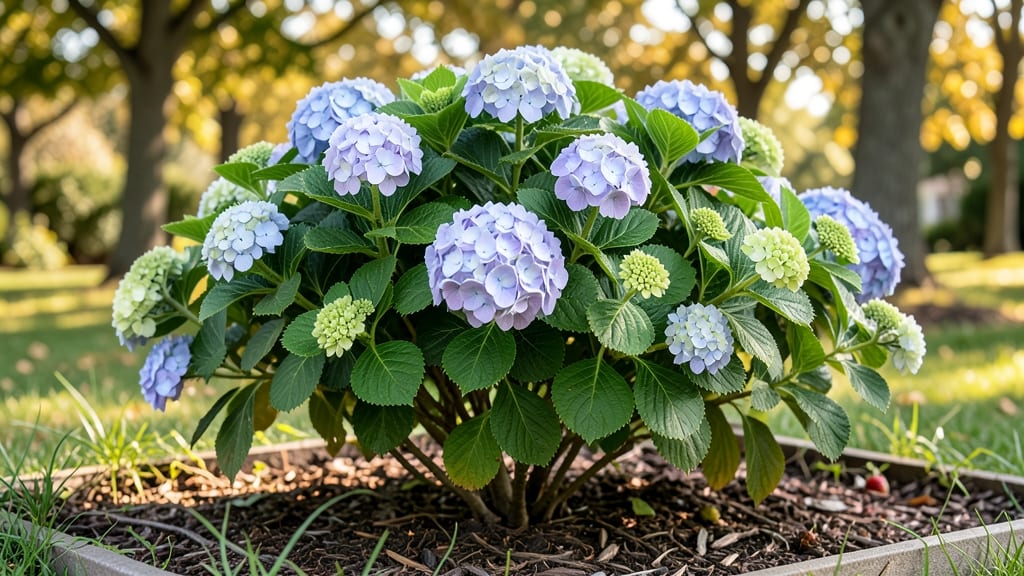
Hydrangeas do not bloom all year: most varieties flower in late spring through summer, with some reblooming types producing sporadic blooms in fall. Climate, pruning, and species determine bloom duration and frequency.
Hydrangeas follow strict seasonal cycles tied to their natural growth patterns. 🌸 Most varieties—like the classic Bigleaf or Oakleaf—produce their showiest blooms in one flush during late spring or early summer, then fade as temperatures rise.
Only reblooming types (such as Panicle hydrangeas) offer a second, lighter display in fall, but this depends heavily on summer care and your local climate. For example, northern gardens might see fall blooms where southern heat can stunt reblooming entirely.
What truly extends their bloom time isn't magic—it's science. Proper pruning timing (cutting back after blooms fade) and balanced soil pH (especially for blue/pink color changes) create ideal conditions. I've seen Endless Summer varieties last nearly three months with consistent deadheading and winter mulch protection.
The key? Treat them like seasonal performers—they'll reward you with dramatic blooms, but never expect a year-round show.
💡 In This Article
- Hydrangea Bloom Seasons by Variety Type
- Extending Hydrangea Blooms: Pruning and Care Tips
Hydrangea bloom seasons by variety type
Hydrangeas follow strict seasonal cycles driven by their biological needs. Bigleaf hydrangeas (Hydrangea macrophylla) produce buds on old wood, meaning their blooms form in late winter or early spring and open in May-July.
Once these flowers fade, they won't rebloom that season—this is why you'll see their dramatic 6-8 week show followed by bare stems.
Oakleaf hydrangeas (H. quercifolia) follow a similar pattern but often extend their bloom time by 2-4 weeks due to their unique leaf structure that stores energy for extended flowering.
The real exceptions are reblooming varieties like Panicle (H. paniculata) and Smooth hydrangeas (H. arborescens), which produce buds on both old and new wood. These can deliver a second flush in September-October, though the fall blooms are typically smaller and less showy.
The catch? This requires precise summer care—removing spent blooms (deadheading) and avoiding heavy pruning until after flowering. In my Zone 6 garden, 'Limelight' panicle hydrangeas rebloom reliably if I deadhead by mid-July and maintain consistent moisture.
Daylight plays a crucial role too. Most hydrangeas need 14-16 hours of daylight to trigger blooming, which explains why northern gardens often get longer bloom seasons. Southern climates with intense summer heat can actually stunt reblooming—the plants enter dormancy earlier to conserve energy.
This is why some reblooming varieties perform better in USDA Zones 5-7 than in hotter regions. The science? High temperatures (>90°F) cause metabolic stress that halts bud formation.
Don't overlook the dormancy cycle—hydrangeas need winter chill to reset their growth patterns. Without adequate 40-60°F temperatures for 4-8 weeks, they may produce fewer blooms the following season. This is why gardeners in mild climates (like coastal California) often struggle with consistent flowering.
The solution? Choose varieties bred for your climate zone, like 'Nikko Blue' for cooler areas or 'Little Lime' for heat tolerance.
Color-changing varieties (like 'Endless Summer') add another layer. Their blooms shift from green to pink/blue based on soil pH levels—acidic soil (pH <5.5) produces blue flowers, while alkaline soil (pH >6.5) yields pink. This chemical process doesn't affect bloom timing but does influence the intensity and duration of color display.
For example, blue hydrangeas often fade faster in alkaline soil because the aluminum ions they need for blue pigmentation become less available.
Here's what this means for your garden: If you want year-round color, combine seasonal bloomers (like Bigleaf) with reblooming types (like Panicle) and plan your landscape to stagger their bloom times.
In my experience, this creates a 3-4 month continuous display from late spring through fall—without expecting a single plant to perform miracles all year.