
Blooming
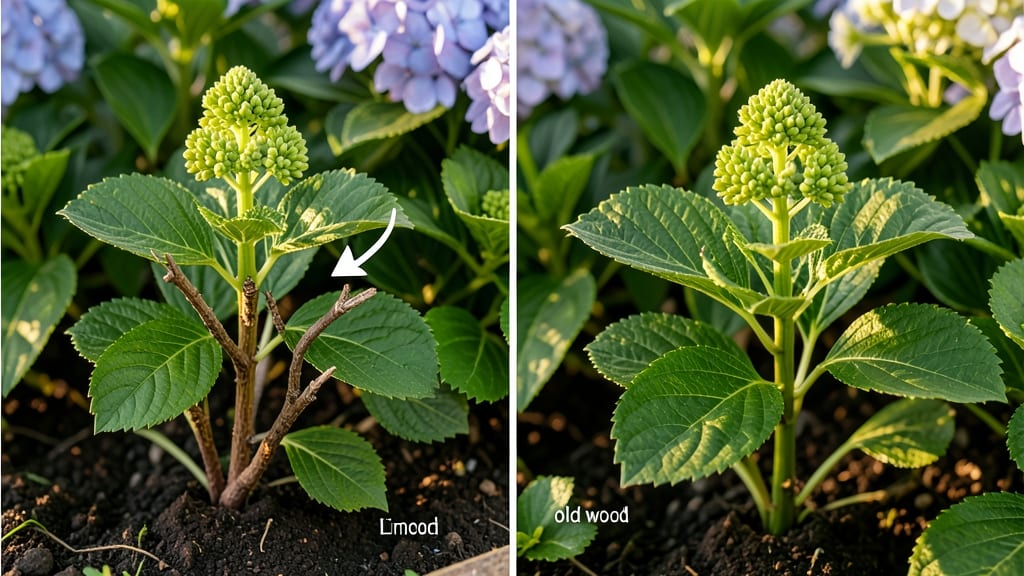
Limelight hydrangeas bloom on old wood, meaning their flowers develop on previous season’s growth rather than new shoots. Prune after flowering to preserve next year’s blooms while maintaining plant shape and health.
This means their flower buds form on mature stems from last year, not on fresh spring growth.
Unlike some hydrangeas that produce blooms on new wood, Limelights rely on stems that have already gone dormant. 🌸 The key is pruning at the right time—after the flowers fade—to avoid cutting off next season’s buds.
I’ve seen gardeners accidentally trim away potential blooms by pruning too early, so timing is everything for these showstopper shrubs.
What sets Limelight hydrangeas apart is their two-year bloom cycle. Buds form in late summer on stems that won’t bloom until the following year, which is why aggressive spring pruning can leave you with bare stems.
The secret to keeping them thriving? A light touch with your pruners—just enough to shape the plant and remove dead wood, but never more than one-third of the oldest stems at a time.
💡 In This Article
- How Limelight Hydrangeas Produce Flowers on Old Wood
- Pruning Limelight Hydrangeas for Maximum Blooms
How Limelight hydrangeas produce flowers on old wood
Limelight hydrangeas belong to the Hydrangea paniculata family, which is unique because their flower buds form on mature stems from the previous growing season—what botanists call "old wood."
Unlike their cousins like Hydrangea macrophylla (mophead or lacecap types), which bloom on new growth, Limelights rely entirely on stems that have already experienced winter dormancy.
This process begins in late summer when the plant senses shortening daylight hours and starts developing flower buds along the current year's stems, which won't bloom until the following spring.
The key mechanism here is photoperiodism, where the plant's internal clock responds to daylight length. When days grow shorter (typically in August-September), Limelights shift from vegetative growth to reproductive mode.
These buds remain dormant through winter and only open in late spring to early summer when temperatures rise above 50°F.
What makes this fascinating is that these buds are actually flower clusters that form in the leaf axils of last year's stems—each stem can produce multiple flower heads, with some varieties like Limelight capable of 10-15 blooms per stem under ideal conditions.
This old-wood blooming habit explains why you'll often see Limelight hydrangeas with bare stems in early spring—they're not dead, just waiting for their buds to swell.
The contrast with new-wood bloomers like panicle hydrangeas (Hydrangea paniculata 'Little Lime') is striking: while Limelights need their mature stems preserved, panicle types can be pruned more aggressively in late winter since their buds form on fresh growth.
This fundamental difference in bloom biology is why gardeners must treat Limelights with special care during pruning seasons.
What most people don't realize is that these old-wood buds require proper winter chilling to develop correctly. Limelights need at least 500-700 hours below 45°F during dormancy to break their winter rest and ensure robust flowering.
In warmer climates (USDA zones 8-9), this can sometimes be a challenge, which is why you might see reduced blooming in areas with mild winters. The plant's response to cold is what triggers the hormonal changes necessary for bud formation and subsequent flowering.
Visually, you can identify old-wood bloomers by looking at the stem structure: Limelight stems have smooth, slightly woody texture with visible leaf scars from previous years, while new-wood stems are more flexible and green.
When you see those iconic cone-shaped blooms emerging in summer, each one represents months of careful development on stems that were already established the year before—proof of nature's patient timing in the garden.
Understanding this process helps explain why Limelight hydrangeas often produce their best blooms in their second or third year—they need time to establish a strong root system and develop sufficient old wood.
This is why gardeners should avoid heavy pruning in the first year, as it removes potential flowering stems before they've had a chance to develop buds.