
Blooming
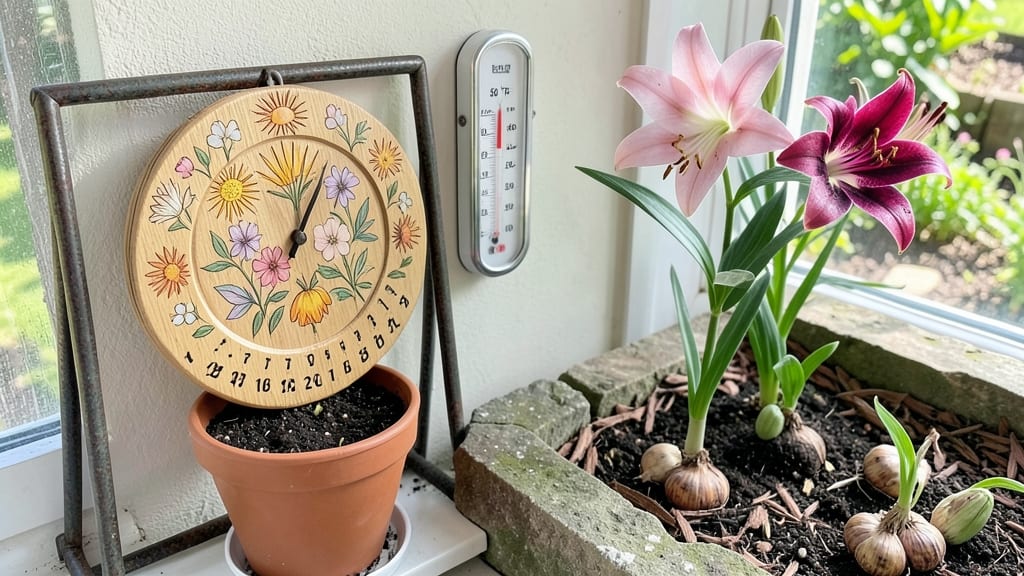
Lilies do not bloom all year; most varieties flower seasonally, typically from late spring to early fall, with dormant periods in winter. Tropical lilies may bloom year-round in warm climates, while hardy lilies follow strict seasonal cycles.
Lilies have distinct blooming patterns tied to their natural growing conditions. 🌸 Hardy lilies—like the classic Easter lily or Asiatic lilies—rely on seasonal temperature shifts and daylight hours to trigger blooms, which is why they rest during winter.
Meanwhile, tropical varieties (such as Stargazer lilies) thrive in warmer climates and can produce flowers continuously if kept in ideal conditions. The key difference? Hardy lilies need cold dormancy to reset their growth cycle, while tropical types skip this step entirely.
What’s fascinating is how light exposure plays a role. Most lilies respond to longer daylight in spring and summer, which signals them to bloom. In colder zones, gardeners often use black plastic mulch or greenhouse setups to extend the growing season and coax extra blooms.
For container-grown lilies, moving them to sunnier spots or using slow-release fertilizer can sometimes encourage a second flush of flowers later in the season.
💡 In This Article
- Lily Flowering Seasons by Variety Type
- Extending Lily Bloom Seasons with Gardening Hacks
Lily flowering seasons by variety type
The blooming habits of lilies are fundamentally tied to their evolutionary adaptations. Hardy lilies—like the Easter lily (Lilium longiflorum) or Asiatic lilies—require a period of cold dormancy to trigger their flowering cycle. This process, called vernalization, happens when bulb roots experience temperatures between 35-45°F for 8-12 weeks.
Without this cold shock, their growth remains vegetative, and they simply won't produce flowers. 🌱 This is why Easter lilies bloom in spring: their bulbs need winter's chill to reset their biological clock and prepare for summer's warmth.
Tropical lilies, such as the Stargazer lily (Lilium 'Stargazer') or Cascade lilies, operate on a completely different schedule. These varieties originate from regions where winter temperatures rarely drop below 50°F, so they lack the cold-dormancy requirement.
Instead, they respond to consistent warmth and 12+ hours of daylight, which explains why they can bloom year-round in USDA Zone 9-11 or under greenhouse conditions. The trade-off? They're often less cold-hardy and require protection from frost, which limits their outdoor growing range.
Daylight length—called photoperiodism—plays a crucial role in lily blooming. Most lilies are long-day plants, meaning they need 14-16 hours of daylight to trigger flowering. In northern climates, this natural light increase in spring signals lilies to bloom.
However, in regions with shorter summer days (like the Pacific Northwest), some varieties may produce fewer blooms unless supplemented with grow lights. This explains why lilies in Zone 5-7 often bloom 4-6 weeks later than those in Zone 8+, despite similar care.
Climate zones create dramatic differences in blooming windows. For example, Asiatic lilies in Zone 3 might bloom from late June to August, while identical varieties in Zone 9 could produce flowers in March, June, and September due to milder winters.
The day-neutral Martagon lily is an exception—it blooms regardless of daylight length but still requires some cold exposure. This variety's flowers often appear in late spring to early summer, with a possible second flush in fall if conditions are ideal.
Even within the same variety, individual plants can show 3-5 week variations in blooming times. This genetic diversity is why some gardeners report their Stargazer lilies blooming in May and September while neighbors see only one flush.
Factors like soil moisture, bulb size (2+ inch bulbs bloom earlier), and previous year's care all influence timing. The largest blooms typically appear on 3-5 year old bulbs, which have built up sufficient energy reserves.
Understanding these patterns helps gardeners make informed choices. If you live in Zone 6 and want year-round blooms, tropical lilies in containers can be brought indoors during winter. Hardy lilies, meanwhile, benefit from mulching in fall to protect their roots and encourage stronger spring blooms.
The key takeaway? Lilies don't bloom randomly—they follow precise biological cues shaped by millions of years of evolution. 🌿