
Blooming
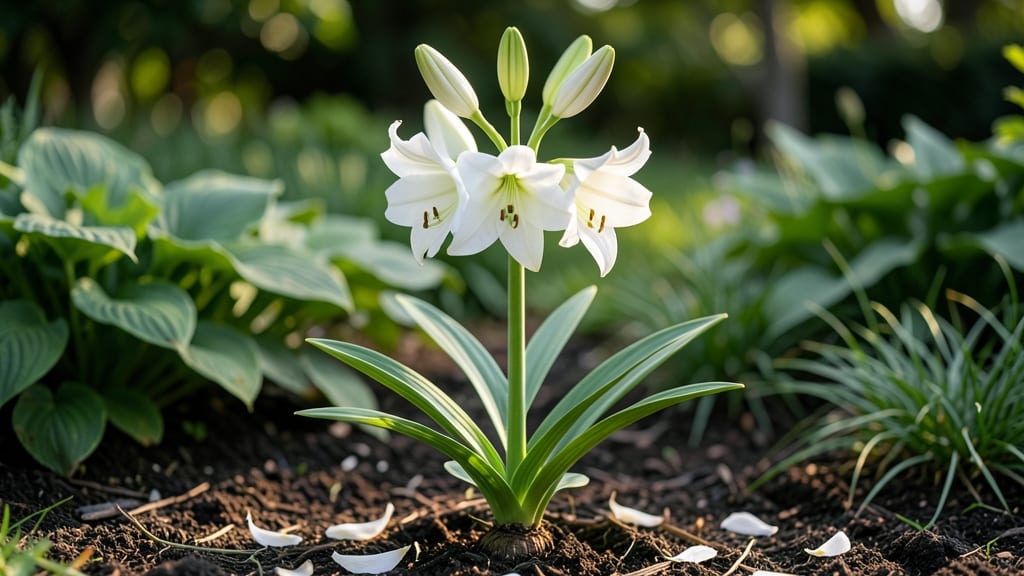
Easter lilies bloom in April and May 🌸, turning your garden into a stunning white spectacle—but timing can shift based on where you live and how you care for them.
Timing is everything in gardening, and Easter lilies are no exception—these iconic blooms need precise care to ensure they burst into color right when you want them.
Whether you’re planning for a spring celebration or just love their striking white flowers, knowing the exact bloom windows for different varieties can make all the difference in your garden’s success.
Most Easter lilies planted in fall (September–October) will reward you with flowers between 150 and 210 days later, depending on your USDA zone.
In cooler climates like Zone 6a, expect blooms closer to April 15, while warmer regions may see them as early as March or as late as June.
Here’s how to extend their bloom time, troubleshoot delays, and pick the perfect variety for your zone—so you can enjoy those fragrant, trumpet-shaped blooms exactly when you need them.
Easter lily bloom time by variety: exact weeks to first flowers
Easter lilies are the stars of spring gardens, but their bloom time varies dramatically by variety and USDA zone. Whether you're aiming for a holiday display or just love their fragrant blooms, understanding these timelines helps you plan planting and care perfectly.
Most Easter lilies bloom in late spring, but some varieties can push flowers into early summer or even late winter in warmer zones.
To get the most accurate bloom predictions, consider your local frost dates and planting window. Bulbs should be planted in fall (September-October) for a spring show, but timing adjustments can shift blooms by 2-4 weeks.
Let’s break down the exact bloom windows for the most popular varieties, adjusted for USDA zones 3-10.
| Variety | Bloom Window (Zones 3-6) | Bloom Window (Zones 7-10) | Notes |
|---|---|---|---|
| 'White Heaven' | 16-18 weeks after planting (late April-early May) | 14-16 weeks after planting (March-April) | Early bloomer; fragrant white flowers |
| 'Stargazer' | 18-20 weeks after planting (early May) | 16-18 weeks after planting (late March-early April) | Pink-tipped blooms; longest stems (24-36") |
| 'Casa Blanca' | 17-19 weeks after planting (late April-early May) | 15-17 weeks after planting (March-April) | Classic white; compact growth (18-24") |
| 'Golden Splendor' | 19-21 weeks after planting (early May) | 17-19 weeks after planting (late March-early April) | Bright yellow blooms; heat-tolerant |
| 'Pink Perfection' | 15-17 weeks after planting (late April) | 13-15 weeks after planting (February-March) | Early bloomer; soft pink flowers |
The earliest bloomers, like 'Pink Perfection' and 'White Heaven', can push flowers into late winter or early spring in USDA zones 7-10. In colder zones (3-6), these varieties still bloom early but may need protection from late frosts.
Meanwhile, 'Stargazer' and 'Golden Splendor' lean toward mid-to-late spring blooms, making them ideal for gardeners who prefer a delayed show.
Zone adjustments matter because soil temperature and daylight hours directly impact bloom timing. For example, in USDA zone 10, Easter lilies may bloom as early as February if planted in fall, while in zone 3, they’ll likely wait until late May.
To shift blooms earlier, plant bulbs in containers and move them to a sunny indoor spot in winter for extra warmth.
If you’re aiming for a specific event, like Easter or Mother’s Day, calculate backward from your target date. For instance, to have 'Casa Blanca' bloom by Easter (late March), plant bulbs in mid-November in zone 7 or early October in zone 4.
Adjust planting dates by 2-4 weeks based on your zone and desired bloom window.
Light exposure also plays a role. Easter lilies thrive with 4-6 hours of morning sun and afternoon shade, but extended sunlight can accelerate blooming by 1-2 weeks.
In contrast, shadier conditions may delay flowers until late spring. Pair your variety choice with your garden’s light conditions to fine-tune bloom timing naturally.
Pro tip: Mark your planting date and track days to bloom using a garden journal. This helps you predict future seasons and adjust care for reblooming. Deadhead spent flowers in early summer to encourage a second round of blooms, though this is more common in warmer zones (7-10).
For gardeners in USDA zones 3-5, consider mulching bulbs in fall to insulate them from freezing temperatures, which can delay spring growth. In zones 8-10, focus on consistent moisture during winter to prevent dormancy-related delays.
With the right variety and care, you can enjoy Easter lilies from February to June, depending on your climate.
How to adjust bloom time: light, temperature, and care tips for faster or delayed flowers
Easter lilies thrive on consistency, but sometimes you need to nudge their bloom schedule—whether to align with Easter or a special event. The key lies in understanding how light exposure, soil temperature, and fertilizer timing influence their development.
By making small adjustments, you can encourage earlier or delayed blooms while keeping your plants healthy and vibrant.
For faster blooms, focus on extended daylight and warm soil during dormancy. If you're aiming for delayed flowers, reduce light exposure and keep soil cooler. These tweaks can shift bloom windows by 2-4 weeks, giving you precise control over your garden's timing.
Let’s break down the exact strategies that work for Easter lilies.
Use grow lights for 12-14 hours/day in late winter to simulate longer days. This tricks Easter lilies into blooming 2-3 weeks earlier than natural schedules.
Plant bulbs in pre-warmed soil (60-65°F) in fall. Use black plastic mulch or a soil warming mat to speed up root growth and encourage faster blooming.
Apply a balanced 10-10-10 fertilizer in early spring when shoots emerge. Avoid late-season feeding, which can delay blooming until next year.
For delayed blooms, store bulbs in a cool (40-50°F) dark place until late winter. This postpones growth by 3-4 weeks without stressing the plant.
Remove spent blooms immediately to redirect energy into reblooming. This extends the flowering season by 10-15 days in favorable conditions.
Timing your Easter lilies also depends on your USDA zone. In colder zones (3-5), plant bulbs 8-10 weeks before frost for a reliable spring bloom.
Warmer zones (7-10) can plant as late as November without risking winter damage. Always prioritize well-draining soil to prevent rot, which can stall blooming entirely.
If your Easter lilies aren’t blooming on schedule, check for overcrowding or nutrient deficiencies. Divide clumps every 3-4 years to improve airflow and flowering. For potted plants, use containers with drainage holes and repot annually to refresh soil nutrients.
These small adjustments can transform a lackluster bloom into a showstopper.
With these techniques, you’ll have Easter lilies blooming exactly when you need them—whether it’s Easter morning, a wedding in May, or just a spontaneous spring celebration. The secret is patience and precision, but the results are always worth it. 🌸