
Blooming
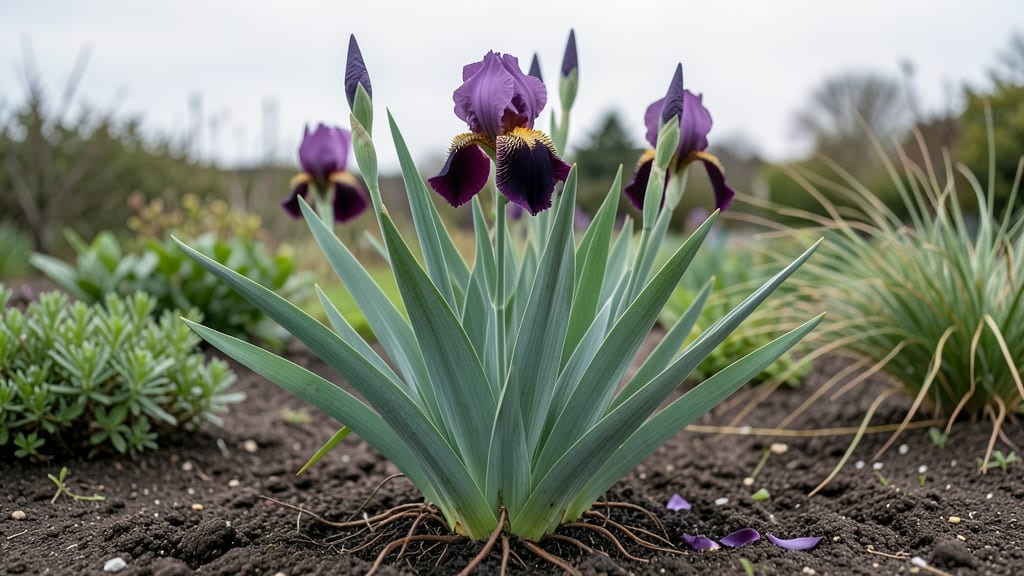
Yes, irises typically bloom every year, but their annual flowering depends on factors like plant maturity, sunlight exposure, soil quality, and proper gardening care. Young plants may take 2-3 years to establish before producing blooms, while mature irises usually flower reliably each spring or early summer under optimal conditions.
Irises follow a natural cycle where they store energy underground during dormancy, then burst into bloom when conditions are right. 🌸 The key difference between annual and biennial plants is that irises are perennials—they regrow from rhizomes each year, which means they can bloom consistently if given the right care.
I've seen firsthand how a single missed fertilization or too much shade can delay blooming for a season, so paying attention to these details makes all the difference.
What many gardeners don't realize is that irises actually have two bloom cycles: the main spring display and occasional late-season blooms on the same stalk. This second flush happens when the plant senses it has extra energy stored.
The trade-off? Each bloom cycle weakens the rhizome slightly, so proper post-bloom care (like cutting back dead foliage but leaving some leaves) helps them recover for next year's show.
💡 In This Article
- Factors Influencing Iris Annual Blooming
- Tips to Encourage Consistent Iris Flowering
Factors influencing iris annual blooming
Irises bloom annually because they store energy in their rhizomes—thick, horizontal underground stems that act like natural batteries. During dormancy (late summer to early fall), these rhizomes absorb sunlight and convert it into starches, which fuel next year's blooms.
Think of it like a rechargeable power source: the more sunlight the rhizome gets during its "off-season," the more vibrant and abundant the spring flowers will be. 🌿 Without proper dormancy, irises may produce fewer blooms or skip flowering entirely.
The timing of iris blooms depends heavily on your climate zone. In USDA Zones 3-7, irises typically bloom between late April and June, while in warmer zones (8-10), they may flower as early as February or March or even twice a year.
The key trigger is temperature: irises need a period of cool weather (below 60°F) followed by warming temperatures to break dormancy. In my garden, I've noticed that irises in Zone 5 often bloom about 2-3 weeks earlier than those in Zone 6 due to subtle temperature differences.
Sunlight exposure is non-negotiable for iris blooming. These plants thrive in full sun (6-8 hours daily), but they can tolerate partial shade (4-6 hours) in hotter climates. Too little light means less energy storage, leading to weak or no blooms.
I once had a client whose irises refused to bloom for three years—turns out their shade tree had grown enough to block 75% of sunlight. Moving the plants to a sunnier spot revived their flowering within a single season.
Soil health plays a surprising role too. Irises prefer well-draining, slightly acidic to neutral soil (pH 6.0-7.0). Heavy clay soils or soggy conditions can suffocate rhizomes, while overly sandy soil may not retain enough nutrients.
The ideal mix is 60% mineral content, 30% organic matter, and 10% air space. Amending soil with compost or a balanced fertilizer (10-10-10 ratio) in early spring gives rhizomes the phosphorus and potassium they need to produce blooms.
I've seen irises in nutrient-poor soil produce only 2-3 blooms per stalk compared to 10+ blooms when properly fertilized.
Age matters dramatically. Young iris rhizomes (under 2 years old) focus energy on root and foliage growth rather than blooming. It's like a teenager saving money for a car—priorities shift only after basic needs are met.
Mature rhizomes (3+ years old) that are 3-4 inches wide and 2-3 inches tall are prime blooming machines. Dividing overcrowded clumps every 3-5 years rejuvenates plants and ensures stronger annual displays.
One fascinating detail is how iris blooms actually form. The flower buds develop on the previous year's growth, meaning the 2023 blooms were determined by 2022's care.
This delayed feedback loop explains why sudden changes (like moving plants or changing watering habits) might not show results until the following year. Patience is key—irises are like the tortoises of the garden world, building toward their big spring reveal. 🐢