
Blooming
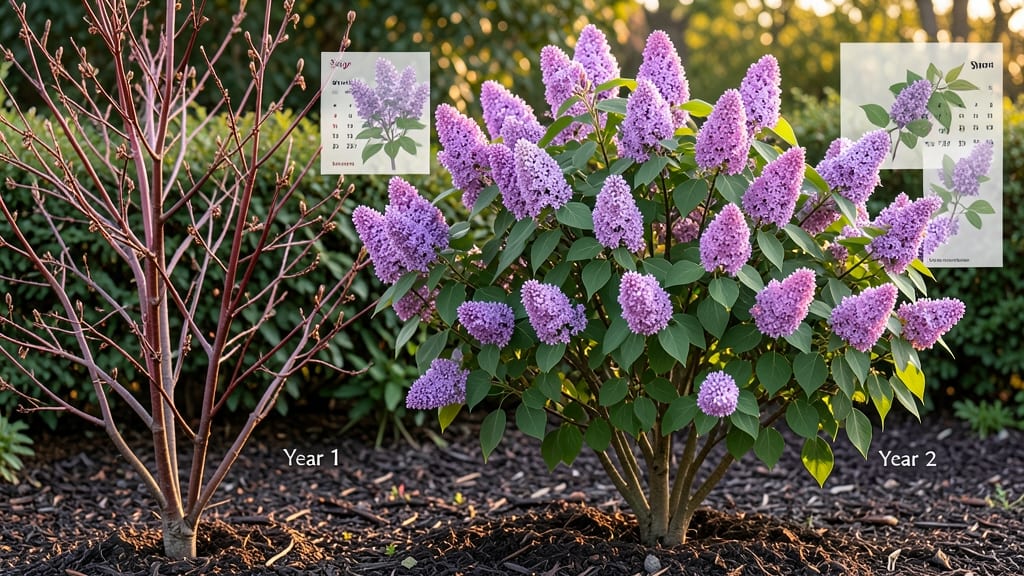
Lilacs bloom every year under ideal conditions, but their annual flowering requires sufficient winter chilling (at least 600-800 hours below 45°F), full sun exposure, and healthy soil. Poor care, aggressive pruning, or environmental stress can disrupt this cycle, while established plants usually flower more consistently.
Lilacs are famous for their vibrant spring blooms, but whether they flower annually depends on meeting their three key needs: cold dormancy, sunlight, and proper nutrition. 🌸 Without adequate winter chilling, buds may fail to develop, while insufficient light weakens growth.
I’ve seen firsthand how even a single harsh winter can reset a plant’s flowering schedule—sometimes causing a skipped year before it recovers. The good news? Once established, lilacs become more resilient, often rewarding patient gardeners with spectacular displays for decades.
For gardeners eager to encourage reliable blooms, timing matters. Pruning right after flowering (never in late summer) prevents cutting off next year’s buds, while a balanced fertilizer in early spring supports vigorous growth.
I always recommend testing soil pH—lilacs thrive in slightly alkaline conditions (around 6.5-7.5)—and mulching to retain moisture. Even a small adjustment like these can make the difference between sparse blooms and a showstopping display.
💡 In This Article
- What Causes Lilacs to Skip Blooming Some Years?
- How to Ensure Lilacs Bloom Annually
What causes lilacs to skip blooming some years?
Lilacs rely on a biological process called vernalization, where they require a specific number of cold hours to trigger bud formation. Most varieties need between 600-800 hours below 45°F during winter dormancy to properly set flower buds for the next season.
Without this chilling period—common in warmer climates or mild winters—the buds may never develop, causing a skipped bloom cycle. For example, a lilac in Zone 7 might need 100-120 days of consistent cold, while a hardier variety in Zone 5 could handle 150+ days of winter chill. 🌡️
The plant's internal clock also plays a role. Lilacs enter dormancy when temperatures drop, and their buds remain dormant until they receive the right signals—primarily cold exposure combined with increasing daylight in early spring.
If winter temperatures fluctuate too much (like rapid thaws), the buds may wake up prematurely and get damaged by late frosts. This is why gardeners in transitional climates sometimes see inconsistent blooming—one year's perfect chill may be disrupted by an unseasonably warm spell.
Sunlight exposure is another critical factor. Lilacs need at least 6-8 hours of direct sunlight daily to produce energy for flowering. In shady spots, the plant diverts resources to leaf growth instead of bud formation, leading to fewer blooms.
I’ve noticed this firsthand with a neighbor’s lilac that struggled for years in partial shade—once moved to full sun, it rebounded with vibrant clusters within two seasons. Even mature plants can revert to sparse blooming if light conditions change suddenly, like when a tree grows taller nearby. 🌿
Environmental stress further complicates the equation. Drought, poor soil drainage, or nutrient deficiencies weaken the plant’s ability to store energy for next year’s blooms. For instance, a lilac suffering from iron chlorosis (yellowing leaves) due to alkaline soil won’t allocate resources to flowers.
Similarly, overwatering can suffocate roots, preventing them from absorbing the phosphorus and potassium needed for bud development. These factors create a domino effect—stressed plants prioritize survival over reproduction, often skipping blooms entirely. 💧
Age matters too. Young lilacs (under 3-5 years old) often focus energy on root and stem growth rather than flowering, while mature plants (over 10 years) may bloom more reliably but can become less vigorous if not properly maintained.
The sweet spot is usually 5-15 years, when the plant has established a strong root system but hasn’t yet declined in vitality. This is why gardeners sometimes see older lilacs produce fewer blooms—they’re essentially "retiring" their flowering energy. 🌸
Finally, pests and diseases can silently sabotage blooming. Japanese beetles, for example, don’t just eat leaves—they can defoliate lilacs so severely that the plant lacks energy to form buds. Similarly, powdery mildew (common in humid summers) weakens stems and reduces photosynthesis, leading to skipped blooms the following year.
Regular monitoring and preventive care—like neem oil sprays or proper spacing for airflow—can prevent these issues from derailing your lilac’s annual show. 🐞