
Blooming
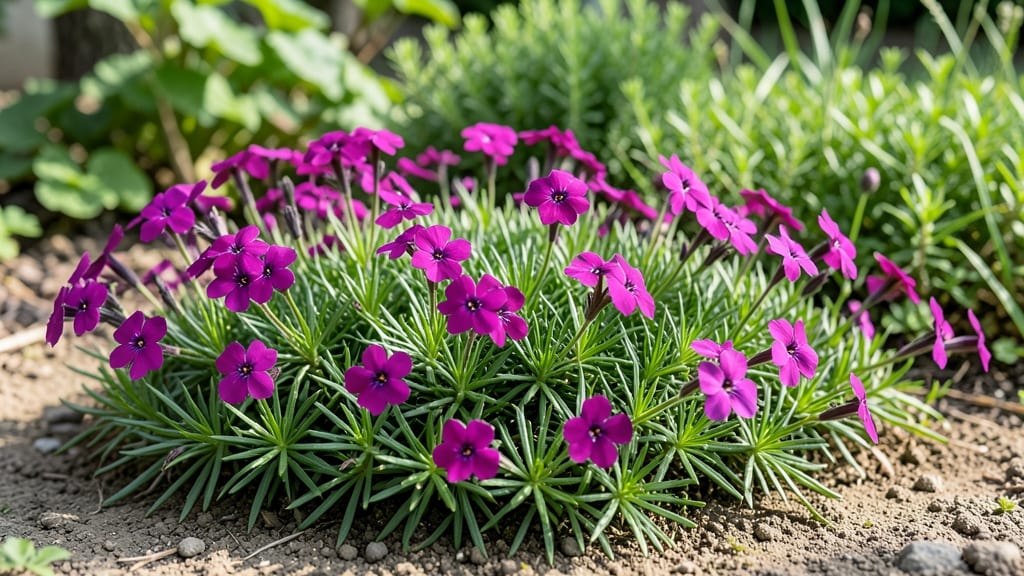
Creeping phlox blooms all summer only in select varieties like 'Obsession' or 'David,' which extend their vibrant display from late spring through early fall. Most standard types focus their blooms in spring, with occasional late-season flowers under perfect growing conditions.
Not all creeping phlox varieties share the same summer-blooming traits—it's all about genetics and growing conditions. 🌸 The extended-blooming types like 'Obsession' were specifically bred to push their flowering season, while traditional varieties rely on spring's energy burst.
I've seen gardeners double their bloom time by combining proper pruning after the first flush with consistent moisture and balanced fertilizer. The key difference lies in how these plants store energy between blooms, with summer types acting more like marathon runners than sprinters.
For those hoping to coax extra blooms from regular varieties, timing matters most. Deadheading spent flowers right after they fade (but before seeds form) signals the plant to focus on new growth rather than seed production.
I recommend using sharp shears and cutting just above the first set of healthy leaves to avoid damaging the plant's center.
Pair this with a light application of 10-10-10 fertilizer after the initial bloom and you'll often see a second, smaller flush in late summer—though it won't match the spring spectacle.
💡 In This Article
- Creeping Phlox Bloom Duration by Variety
- Tips to Prolong Creeping Phlox Flowering
Creeping phlox bloom duration by variety
The secret behind creeping phlox's summer-blooming prowess lies in its genetics. Varieties like 'Obsession' and 'David' were selectively bred to maintain a continuous flowering cycle through photoperiod sensitivity adjustments.
These plants produce new flower buds on stems that grow from the base rather than just the tips, creating a marathon blooming pattern instead of a single spring sprint.
Standard varieties typically produce one main flush of blooms in spring, then shift energy to seed production—unless you intervene with proper care.
Sunlight exposure plays a critical role in extending bloom seasons. Summer-blooming types thrive with 6-8 hours of direct sunlight daily, while standard varieties often struggle beyond 6 hours in hot climates. The intense summer sun can actually reduce flowering in non-adapted varieties by causing stress.
I've observed that 'Obsession' maintains vibrant blooms even in 90°F+ temperatures when planted in well-draining soil with afternoon shade, while regular phlox may go dormant or produce only sporadic blooms.
Soil pH matters too—these plants prefer slightly acidic conditions (5.5-6.5 pH) to maximize nutrient uptake during extended blooming periods.
Pruning techniques create the biggest difference between seasonal blooming patterns. Summer varieties benefit from light trimming after the first bloom to encourage basal growth, while standard types often need heavy post-bloom pruning to prevent legginess.
The key is timing: cut back non-summer varieties by one-third immediately after spring blooms fade, while summer types only need 1-2 inches removed to maintain their continuous flowering habit.
This difference in pruning approach reflects their genetic programming—summer types are wired to produce multiple bloom cycles, while standard varieties are hardwired for a single seasonal display.
Watering routines reveal another critical difference. Summer-blooming varieties require consistent moisture (about 1 inch per week) to sustain their extended flowering, while standard types can tolerate slightly drier conditions once established.
The deeper root systems of summer varieties allow them to access moisture during dry spells, but they still need regular watering during peak bloom periods.
I've found that mulching with 2-3 inches of organic matter helps maintain soil moisture and temperature consistency, which is particularly important for summer-blooming types that continue flowering through hotter months.
Fertilizer choices also impact bloom duration significantly. Summer varieties respond well to balanced fertilizers (10-10-10) applied every 4-6 weeks during the growing season, while standard types often perform better with lower nitrogen formulations (5-10-10) to prevent excessive foliage growth at the expense of blooms.
The key is understanding each variety's energy allocation priorities—summer types need consistent nutrient support to maintain their extended flowering, while standard varieties can handle more conservative feeding schedules. 🌿
Consider these key factors when selecting varieties for your garden:
- Climate zone: Summer varieties thrive in zones 4-8 with proper care
- Bloom color: 'Obsession' offers deep purples, while 'David' provides soft pinks
- Growth habit: Summer types spread 12-18 inches wide, standard types 6-12 inches
- Maintenance level: Summer varieties require more consistent care