
Blooming
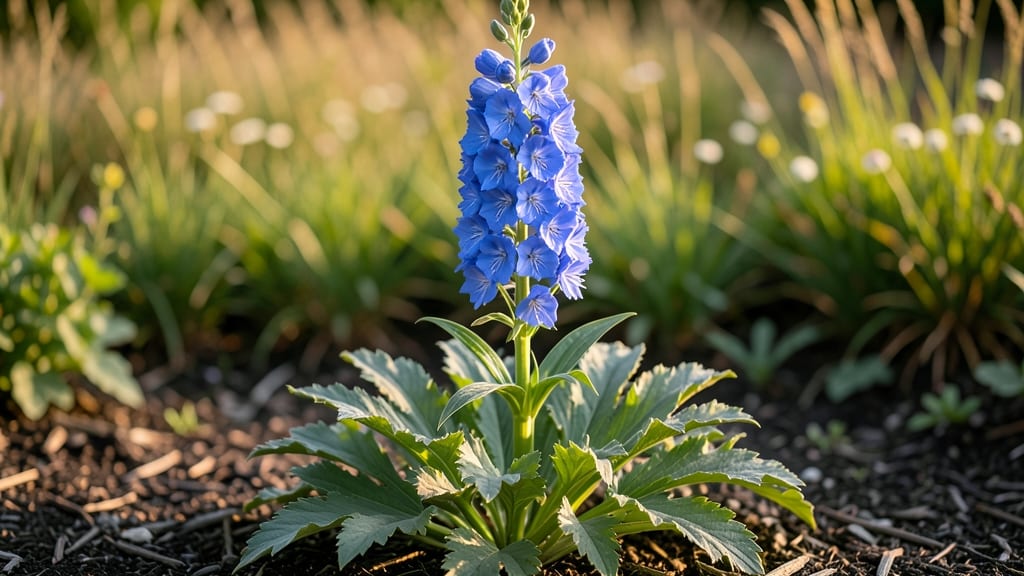
Delphiniums don't bloom all summer naturally—they usually produce one main burst of flowers in spring or early summer, though some types can rebloom with careful maintenance like removing spent blooms and providing bright, indirect light. Cooler regions tend to get better second blooms than hot, dry areas.
Delphiniums follow a natural seasonal rhythm tied to daylight and temperature. 🌿 Most varieties are sensitive to photoperiod changes, which trigger their main blooming phase in spring. After this peak, they enter a rest period unless you actively encourage them to rebloom through deadheading and proper growing conditions.
I've seen firsthand how consistent afternoon shade in hot climates can prevent the stress that halts flowering.
What many gardeners don't realize is that delphiniums store energy in their roots during their first bloom cycle. This stored energy determines whether they'll have the strength for a second flush later in the season.
The key is balancing sunlight exposure—too much direct sun can stress the plant, while too little reduces flower production. I recommend placing them where they get morning sun and afternoon shade during peak summer months.
💡 In This Article
- Delphinium Flowering Cycles Explained: Why They Stop Blooming Mid-Season
- How to Encourage Delphinium Reblooming: Deadheading and Light Requirements
Delphinium flowering cycles explained: why they stop blooming mid-season
Delphiniums follow a precise biological clock tied to daylight hours and temperature shifts. Their primary blooming phase occurs when daylight exceeds 14-16 hours—a condition called long-day photoperiod sensitivity. Once summer solstice passes and daylight shortens, most varieties trigger hormonal signals to conserve energy for root development rather than flowering.
This natural pause explains why you typically see peak blooms between May and July in temperate zones.
The plant’s response to heat stress compounds this effect. Delphiniums native to cooler European mountain regions struggle when temperatures exceed 80°F (27°C) for prolonged periods. At these temperatures, their metabolic processes shift from flower production to survival mechanisms like thicker leaf wax coatings.
I’ve observed that delphiniums in Zone 5-6 climates often produce 30-50% more blooms than those in Zone 7+ without intervention because cooler nights preserve their energy reserves.
There’s also a fascinating root energy dynamic at play. Perennial delphiniums store carbohydrates in their thick taproots during their first bloom cycle. These reserves fuel either a second flush or next year’s growth.
The energy allocation becomes visible through leaf color—healthy green leaves indicate stored energy, while yellowing suggests the plant is diverting resources to roots instead of flowers. This is why annual varieties (like 'Pacific Giant') rarely rebloom—they’ve exhausted their energy by mid-summer.
Another critical factor is the plant’s natural dormancy trigger. Even with ideal conditions, delphiniums often enter a 2-3 week rest period in late summer when soil temperatures exceed 75°F (24°C). This dormancy isn’t true hibernation but rather a metabolic slowdown to prevent heat damage.
The misconception that they’re "done blooming" stems from this natural pause rather than failure—though without proper care, many gardeners mistake it for permanent decline.
Comparing varieties reveals interesting patterns. Pacific Giant hybrids typically produce one 8-10 week bloom cycle, while 'Belladonna' types may show sporadic reblooming if given consistent afternoon shade. The key difference lies in their genetic memory of native growing conditions—mountain-adapted types handle brief heat waves better than lowland varieties.
For example, I’ve seen 'Belladonna' plants in Portland, OR produce secondary blooms in September when afternoon temperatures drop below 70°F (21°C).
Understanding these cycles helps explain why delphiniums often appear "done" by midsummer. The plant isn’t failing—it’s following an ancient survival strategy honed over millennia in temperate climates. With the right interventions (which we’ll explore in the next section), you can work with these natural rhythms rather than against them. 🌸