
Blooming
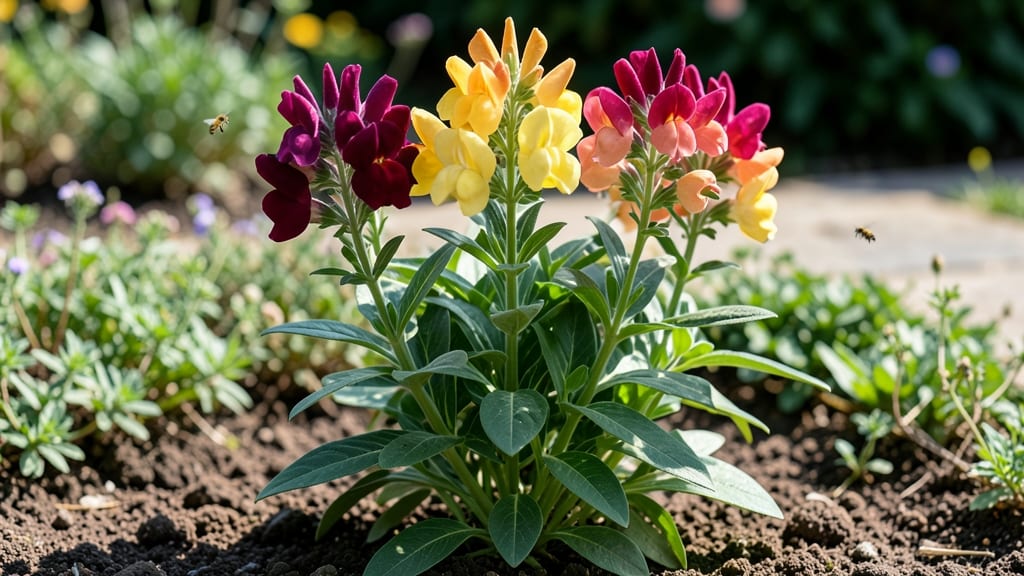
Snapdragons don't bloom all summer continuously unless you deadhead them regularly and grow them as annuals in warm climates, with some perennial types reblooming when conditions are ideal. Most varieties prefer cooler weather and may struggle in extreme heat.
Snapdragons are cool-season plants, which means their natural blooming cycle aligns with spring and fall when temperatures are mild. 🌸 The key to extending their flowering period lies in their growth habits—annual varieties typically produce flowers in a single flush unless you prune spent blooms, while perennial types may rebloom if given proper care.
In hot climates, they often go dormant during peak summer months, only to revive when temperatures drop again in late summer or fall.
What makes this even more interesting is how regional growing zones affect bloom patterns. In cooler areas like Zones 3-6, snapdragons often bloom continuously from early spring through fall, while in warmer Zones 7-10, they may need winter protection to survive and bloom again the following season.
Understanding your specific climate helps you plan for the best blooming results.
💡 In This Article
- Why Snapdragon Bloom Seasons Vary by Type and Climate
- Deadheading and Care Tips to Extend Snapdragon Blooms
Why snapdragon bloom seasons vary by type and climate
Snapdragons are genetically programmed as cool-season plants, meaning their blooming cycles are triggered by specific temperature ranges—typically between 50°F and 75°F. When temperatures rise above 80°F, most varieties enter a dormant state, conserving energy to survive until cooler weather returns.
This is why you'll see continuous blooms in spring and fall but sparse or no flowers during peak summer months in many regions. 🌸 The plants' natural survival mechanism prioritizes energy conservation over reproduction when stressed by heat.
The distinction between annual and perennial snapdragons plays a critical role in bloom patterns. Annual varieties like 'Matrix' or 'Rocket' produce one main flush of flowers and then decline unless deadheaded regularly to encourage new blooms.
Perennial types, such as 'Black Prince' or 'Alaska', may rebloom if given proper care, but they still follow the same temperature-dependent cycle.
In USDA Zones 3-6, these perennials often bloom from early spring through fall, while in Zones 7-10, they may require winter protection to survive and bloom again the following season.
Daylight length also influences bloom timing. Snapdragons are short-day plants, meaning they flower more prolifically when daylight hours shorten—typically in late summer and fall. This is why you'll often see a second flush of blooms in late summer, even if the plants struggled during peak heat.
The combination of cooler temperatures and shorter days creates ideal conditions for flowering. In tropical climates where daylight remains consistent year-round, snapdragons may never fully bloom or may produce only sparse flowers.
Heat sensitivity varies by variety, with some modern hybrids like 'Colorado' series bred to tolerate slightly warmer conditions than traditional types. However, even these won't bloom continuously in temperatures above 85°F without proper care.
The key biological trigger is ethylene production, which slows down in extreme heat, delaying or preventing flower formation. This is why gardeners in hot climates often grow snapdragons as annuals and replace them in late summer when temperatures begin to drop.
Soil temperature also plays a subtle but important role. Snapdragons prefer soil temperatures between 60°F and 70°F for optimal growth. When soil heats up beyond 75°F, root activity slows, reducing the plant's ability to absorb water and nutrients—directly impacting flower production.
This is why mulching with organic matter can help maintain cooler soil temperatures and extend the blooming season by 2-4 weeks in hot climates.
Understanding these biological factors helps explain why snapdragons don't bloom all summer continuously. The plants are following their natural growth patterns, which have evolved over centuries to maximize survival in seasonal climates.
With proper care—including deadheading, temperature management, and variety selection—you can extend their bloom periods significantly, but they'll always follow these fundamental biological rules. 💫