
Blooming
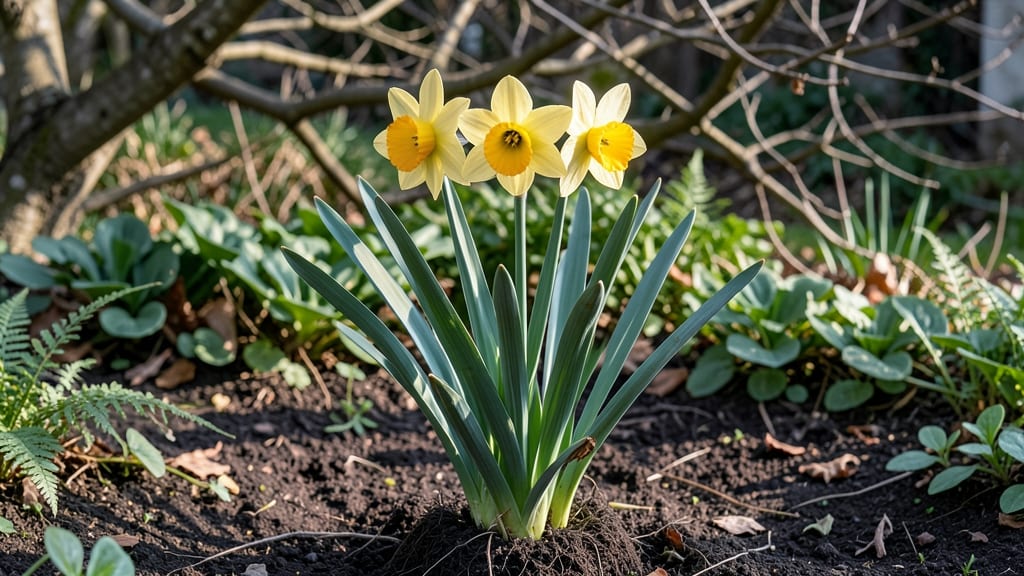
Daffodils do not bloom all summer; they primarily flower in early spring, with most varieties appearing between February and April, while late-season types may bloom in late winter or early spring. Their display typically lasts 2-4 weeks, depending on the specific type and local climate.
Daffodils are spring's star performers, not summer's. 🌸 Their bloom cycle is tightly linked to temperature and daylight changes—most varieties need the cooler winter months to reset before bursting into color.
What's fascinating is how regional climates shift these timelines: in warmer zones like Southern California, you might see early bloomers as soon as January, while Northern gardeners may not see them until late March or April.
The 2-4 week display isn't just about variety—it's also about how well you've prepared the soil and when you planted bulbs.
This seasonal pattern explains why you rarely see daffodils in summer catalogs or garden centers—they've already done their thing by then. The few exceptions are specialty varieties bred for reblooming, which can produce smaller flowers later in the year, but even those don't match the spring spectacle.
Understanding this natural rhythm helps gardeners plan their landscapes for year-round interest while appreciating daffodils' perfect spring timing.
💡 In This Article
- Daffodil Bloom Seasons by Variety and Climate Zones
- Extending Daffodil Blooms: Gardening Tips for Longer Seasonal Display
Daffodil bloom seasons by variety and climate zones
The natural bloom cycle of daffodils is primarily governed by their biological need for vernalization—a process where bulbs experience prolonged cold temperatures (typically 35-45°F for 12-16 weeks) to trigger flowering. This explains why most varieties bloom in early spring: they've been "waiting" through winter for the right cues.
Early-season types like 'Tête-à-Tête' often appear in late winter (January-February) in warmer climates (USDA zones 8-10), while mid-season varieties such as 'Ice Follies' typically bloom in March-April in cooler regions (zones 3-7).
Daylight length also plays a crucial role. Daffodils are long-day plants, meaning they require increasing daylight hours (12+ hours) to initiate blooming. This is why you'll see staggered blooms across varieties: early types respond to shorter daylight increases, while late-season varieties need more extended exposure.
For example, the 'Minnow' variety, which blooms in late March-early April, thrives in zones 4-9 because its vernalization needs are slightly less stringent than other cultivars. The warmer the climate zone, the earlier the blooms appear—sometimes as much as 4-6 weeks ahead of schedule.
What's fascinating is how temperature fluctuations during bloom season can dramatically alter the display. A sudden 50°F temperature drop during flowering can cause buds to close prematurely, while consistent 60-65°F days with cool nights (below 50°F) produce the longest-lasting blooms.
This explains why Northern gardeners often get 3-4 weeks of display, while Southern gardeners might see only 2 weeks—the heat accelerates the bloom cycle. The Narcissus poeticus group, known as poet's daffodils, are exceptions with later blooms (April-May) because they require more extended vernalization periods.
Climate zones create another layer of variation. In USDA zone 5, where winters are harsh, daffodils often bloom in late April-early May because the ground thaws later. Meanwhile, in zone 10 (coastal California), early varieties like 'Paperwhite' can bloom as early as December-January because they experience milder winters.
This geographic variability means gardeners in transitional zones (like zone 6-7) might see a 6-week bloom window if they plant a mix of early, mid, and late varieties.
Here's what this means for gardeners: selecting varieties matched to your zone's average last frost date is critical. For example, planting 'Tazetta' varieties (which bloom in late winter-early spring) in zone 8 will give you a head start, while adding 'Jonquil' types (mid-season) ensures continuous color.
The key is understanding that daffodils are spring ephemerals—their entire life cycle is timed to take advantage of early spring's optimal conditions before summer heat arrives.
One common misconception is that all daffodils bloom simultaneously. In reality, proper variety selection can create a staggered bloom effect lasting up to 8 weeks in ideal conditions. For instance, pairing 'February Gold' (early) with 'Dutch Master' (mid) and 'Peach Sorbet' (late) can extend your display.
This strategic planting mimics nature's own timing mechanism, where different species bloom at different times to ensure pollination continuity.