
Blooming
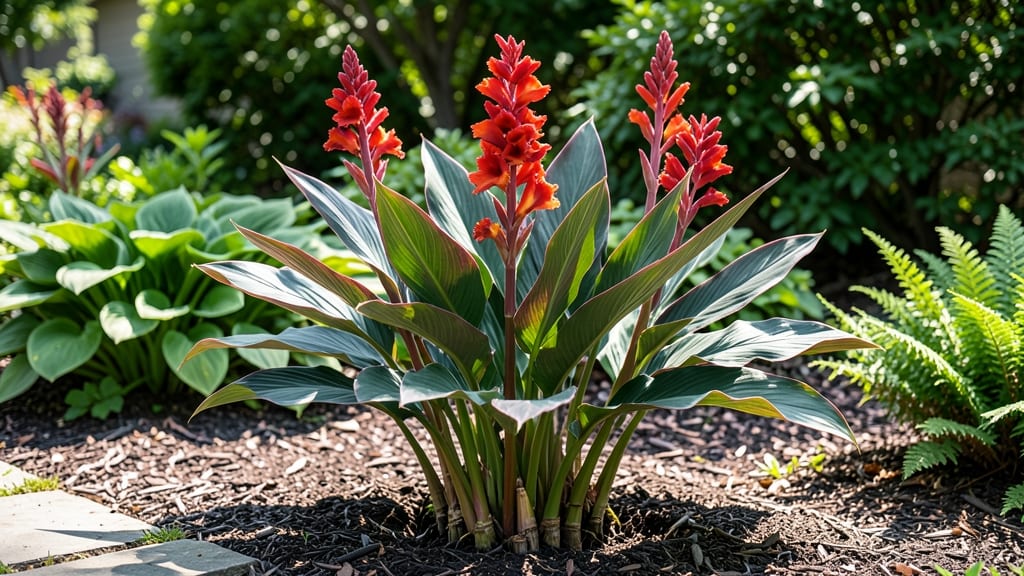
Canna lilies bloom all summer only if you plant reblooming varieties, which need regular deadheading and consistent care. Standard cannas produce just one bloom cycle in early summer, while rebloomers can flower sporadically until frost with proper maintenance.
Not all canna lilies are created equal when it comes to summer blooms. 🌸 The key difference lies in their genetic makeup—reblooming varieties like 'Striped Beauty' or 'Pretoria' are bred to produce multiple flower stalks throughout the season, while standard types focus their energy on one big show in early summer.
What makes rebloomers special is their ability to regenerate flower stalks after deadheading, essentially giving them a second chance to shine.
To keep those blooms coming, I've found that removing spent flowers right after they fade (deadheading) is absolutely critical. This simple step redirects the plant's energy toward new growth instead of seed production.
Pair that with regular feeding every 4-6 weeks during the growing season and you'll see a noticeable difference in flower production. The right balance of sunlight—at least 6 hours of direct sun daily—also plays a huge role in maintaining that continuous bloom cycle.
💡 In This Article
- Why Some Canna Lilies Bloom Continuously While Others Don’t
- How to Encourage Extended Canna Lily Blooms Through Summer
Why some canna lilies bloom continuously while others don’t
The fundamental difference between standard and reblooming canna lilies lies in their genetic programming and energy allocation. Standard varieties like 'Dwarf Pink' focus all their energy on producing one spectacular bloom cycle in early summer, typically between June and July.
Once they finish flowering, they shift resources toward seed production and tuber development for winter dormancy. This single-bloom cycle is hardwired into their DNA, making continuous summer blooms biologically impossible without human intervention.
Reblooming varieties, however, have been selectively bred to delay tuber dormancy and maintain active growth longer. These types—such as 'Black Knight' or 'Cleopatra'—produce multiple flower stalks throughout the season because they prioritize vegetative growth over seed production.
The key mechanism here is their ability to regenerate flower stalks from leaf axils after deadheading, rather than relying on a single flush. This process is controlled by plant hormones called cytokinins, which promote cell division in the axillary buds where new flower stalks emerge.
The timing of tuber dormancy also plays a crucial role. Standard cannas enter dormancy as temperatures drop below 50°F in late summer, halting all above-ground growth. Rebloomers, however, can maintain active growth until frost because their tubers remain metabolically active longer.
This extended growth window allows them to produce flowers intermittently until the first hard freeze. The trade-off? Rebloomers often have slightly smaller individual blooms compared to the dramatic single-flower displays of standard varieties.
Consider the example of 'Pretoria' cannas, which are classic rebloomers. When properly cared for, they can produce three to four distinct bloom cycles throughout summer, each with 10-15 flowers per stalk.
In contrast, a standard variety like 'Durban' might produce 50-60 flowers in one massive display in early summer but nothing afterward. The choice between quantity and quality comes down to your gardening goals—dramatic impact or prolonged enjoyment.
Light exposure also influences this blooming behavior. Rebloomers need at least 6 hours of direct sunlight daily to maintain their extended bloom cycles, while standard varieties can sometimes tolerate partial shade. The reason?
Sunlight triggers the production of anthocyanins (the pigments that give canna flowers their vibrant colors) and provides the energy needed for continuous flower production. Without sufficient light, even reblooming varieties will struggle to maintain their flowering schedule.
What most gardeners don't realize is that reblooming cannas actually require more frequent deadheading than standard types. While standard cannas only need deadheading once during their single bloom cycle, rebloomers need this maintenance every 7-10 days during their active growing season.
This frequent intervention prevents the plant from shifting energy toward seed production, which would halt new flower development.