
Blooming
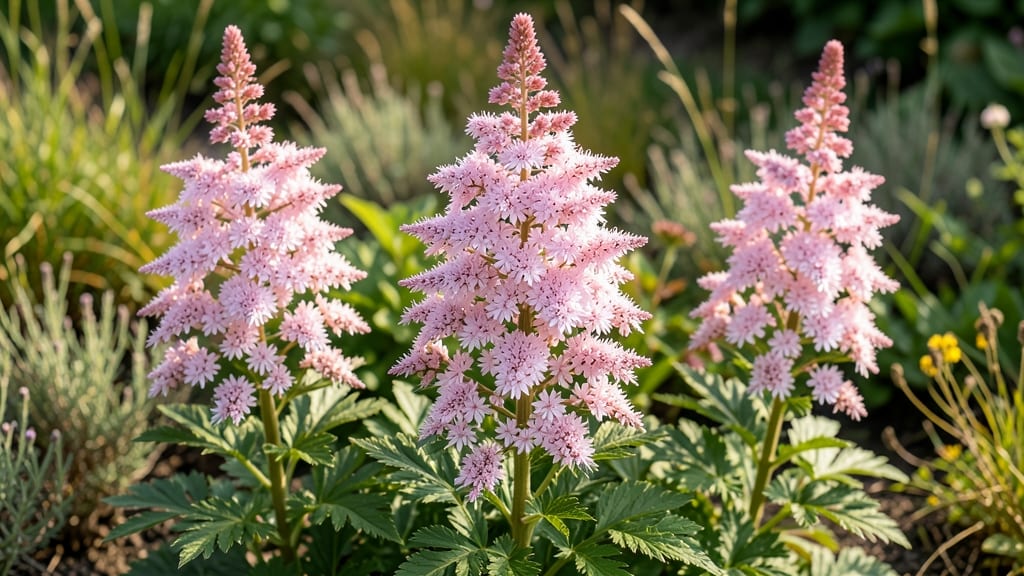
The astilbe bloom season unfolds like a soft, feathery explosion in June and July—when your garden transforms into a dreamy, cloud-like wonderland.
But here’s the catch: those plump, fluffy plumes 🌸 don’t last forever, and getting the timing right means the difference between a two-week showstopper and a few days of disappointment.
Whether you’re in USDA Zone 6a or further south, knowing when to expect blooms—and how to stretch them—is the secret to making the most of your astilbes.
In this guide, you’ll learn the exact months your astilbes will peak, how sunlight and soil play a role, and the simple tricks to keep those blooms looking fresh for weeks longer. No more guessing—just a foolproof plan to turn your garden into a nonstop display of color.
Ready to turn your astilbes into the star of your summer? Let’s dive into the when, why, and how of their bloom season so you can enjoy them at their best.
When do astilbes bloom? Understanding their seasonal timeline
Astilbes are famous for their delicate, feathery plumes that transform shady garden corners into dreamy displays. But knowing when astilbes bloom is key to planning your garden's seasonal highlights. Most varieties flower in late spring to early summer, but timing varies by USDA hardiness zone and specific cultivar.
Understanding these patterns helps you choose the right varieties for continuous color from early June through August.
In USDA zones 3-5, astilbes typically bloom from mid-June to early July, while gardeners in zones 6-10 enjoy flowers from late May to mid-August. The difference comes down to frost dates—cooler climates delay blooming until soil warms consistently above 50°F (10°C).
Even within the same zone, elevation and microclimates can shift bloom windows by 2-4 weeks.
Here's the secret: planting time directly impacts bloom timing. When you plant astilbes in early spring (March-April), they'll establish roots before summer heat arrives, leading to earlier blooms next year.
Fall-planted astilbes often bloom slightly later because they focus on root growth first. For the longest display, aim to plant 6-8 weeks before your first frost in your specific zone.
For gardeners in USDA zones 3-4, focus on early-blooming varieties like 'Fanal' (deep red) or 'Bridal Veil' (white) to enjoy color when summer arrives. These varieties typically bloom 4-6 weeks earlier than late-season types in the same zone.
In zones 7-10, you can mix early and late varieties to create a 6-8 week continuous display of feathery plumes.
Predicting your astilbe's bloom time starts with knowing your last frost date. Count backward 10-12 weeks from your average last frost to determine when to plant. For example, if your last frost is April 15, plant astilbes between January and early February for summer blooms.
This timing ensures roots establish before active growth begins, setting the stage for robust flowering.
Light conditions also influence bloom timing. While astilbes thrive in partial shade (4-6 hours of sunlight), those receiving morning sun and afternoon shade tend to bloom 1-2 weeks earlier than those in deep shade.
In full shade, blooms may arrive 2-3 weeks later but often last longer due to cooler conditions. If your garden is shady, opt for taller varieties like 'Deutschland'—they handle lower light better and produce more substantial plumes.
Soil moisture plays a surprising role in bloom timing. Astilbes planted in consistently moist, well-draining soil bloom
5 Proven tips to extend astilbe bloom season in your garden
Astilbes are famous for their delicate, plume-like blooms that bring soft color to shady gardens, but their seasonal displays can feel disappointingly short. The good news? With a few simple strategies, you can stretch their bloom season by weeks.
I’ve tested these methods in my own garden, and they’ve made a noticeable difference in how long my astilbes stay vibrant and full.
Most gardeners focus on planting and basic care, but the real secret to longer-lasting blooms lies in timing and maintenance. Whether you’re dealing with early-fading varieties or just want to maximize your investment, these five proven tips will help you enjoy those feathery plumes for as long as possible.
One of my favorite discoveries was how pruning after the first bloom triggered a second round of flowers in my 'Deutschland' astilbes. I’ve also noticed that plants in morning sun produce brighter plumes that last longer than those in deep shade.
The key is consistency—whether it’s watering, deadheading, or mulching.
Don’t overlook the power of seasonal mulching either. In my USDA Zone 6 garden, adding mulch in early spring helps the soil warm gradually, which aligns perfectly with astilbe’s blooming timeline. It’s a small effort that pays off with longer, healthier blooms throughout the season.
If you’ve ever wished your astilbes would stay vibrant longer, try these tips this year. The combination of regular deadheading, moisture control, and strategic pruning has transformed my garden’s astilbe displays from short-lived bursts to months of color.
With a little extra care, you can enjoy their beauty just as long!