
Blooming
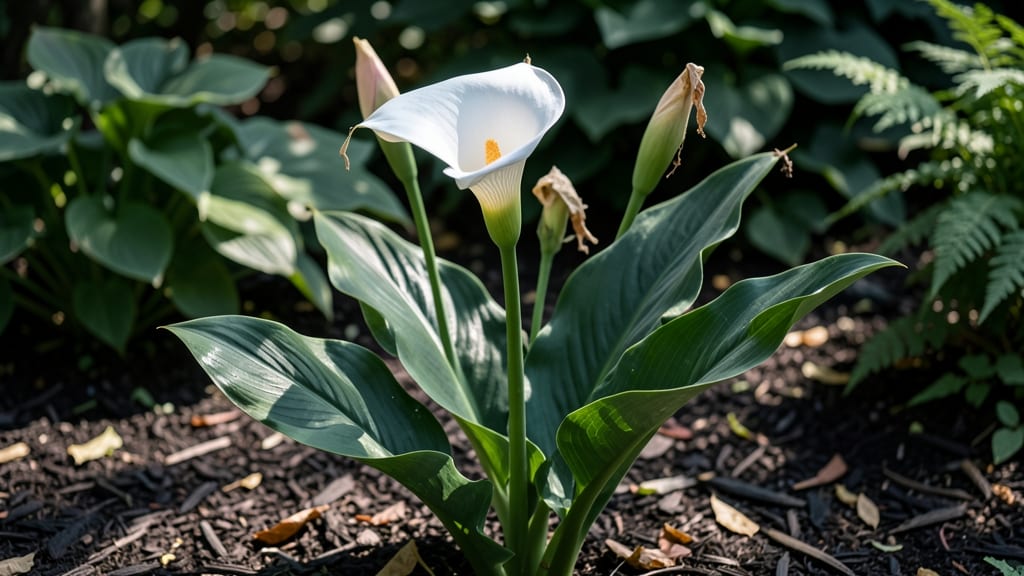
Calla lilies typically do not bloom all summer, as most varieties produce just one main flowering period per year. However, reblooming types like 'Black Star' or 'Forever Gold' can produce multiple blooms throughout the growing season when given proper care—including balanced moisture, partial shade, and strategic seasonal adjustments.
Most calla lilies follow a natural single-bloom cycle triggered by seasonal changes, with peak flowering in spring or early summer. 🌸 The key to encouraging reblooming lies in mimicking ideal growing conditions—think of it like giving your plant a consistent spa treatment.
Varieties like 'Everlasting Beauty' can produce secondary blooms if you maintain 60-70°F temperatures, moderate humidity, and avoid over-fertilizing with nitrogen-heavy mixes that promote leaf growth over flowers.
What many gardeners overlook is the importance of dormancy management—even reblooming types need a brief rest period. After the first flush of blooms, reduce water slightly and move plants to slightly cooler spots to signal the plant it's time to recharge for the next flowering cycle.
This approach can extend your display by 4-6 weeks beyond what you'd get from standard varieties.
💡 In This Article
- Calla Lily Bloom Cycles: Why Most Varieties Stop Flowering Mid-Season
- How to Encourage Extended Calla Lily Blooms: Care Tips for Reblooming Types
Calla lily bloom cycles: why most varieties stop flowering mid-season
Calla lilies follow a natural biological rhythm where flowering is triggered by specific environmental cues. Most standard varieties enter a single bloom cycle because their flowering mechanism is tied to the plant's energy reserves and seasonal light changes.
When days begin to shorten in late summer, the plant detects this shift through photoperiodism—its internal clock that responds to daylight length. This is why you typically see peak blooms in spring or early summer, followed by a sudden halt as the plant prepares for dormancy.
The key difference between single-bloom and reblooming types lies in their genetic makeup. Standard calla lilies allocate most of their energy to producing one dramatic bloom, often at the expense of future flowering.
In contrast, reblooming varieties like 'Black Star' have been selectively bred to produce multiple flowering spikes throughout the season.
These plants can generate secondary blooms if they receive consistent care that maintains their energy levels—think of it like keeping a well-stocked battery rather than letting it drain completely after one use.
Temperature plays a crucial role in this process. Most calla lilies thrive in 65-75°F ranges, but reblooming varieties often need slightly cooler nights (55-60°F) to trigger new flower buds. The plant's metabolism slows slightly at these temperatures, allowing it to redirect energy from leaf growth to flower production.
This is why many gardeners notice their reblooming callas produce fresh flowers in late summer when nights cool naturally.
Nutrient balance is another critical factor. Standard varieties often deplete their soil nutrients after one bloom cycle, while reblooming types require a phosphorus-rich fertilizer (like a 5-10-5 blend) to support continuous flowering.
Too much nitrogen promotes lush foliage but starves the flowers of what they need to develop. The right balance can extend your blooming season by 6-8 weeks compared to standard varieties.
Light sensitivity also explains why most calla lilies stop flowering mid-season. These plants prefer bright, indirect light—direct afternoon sun can scorch leaves and stress the plant.
When summer heat intensifies, many gardeners unknowingly move their callas to shadier spots, which while protective, can also signal the plant it's time to conserve energy rather than produce more blooms. Reblooming types handle this transition better because their genetic makeup allows them to recover more quickly.
Consider this real-world example: A standard 'White Queen' calla might produce one stunning bloom in May, then go dormant by July.
In contrast, a properly cared-for 'Forever Gold' plant could produce its first bloom in June, a second in August, and even a third in September if you maintain consistent moisture and avoid overcrowding. The difference comes down to how each variety manages its energy reserves and responds to seasonal changes.