
Blooming
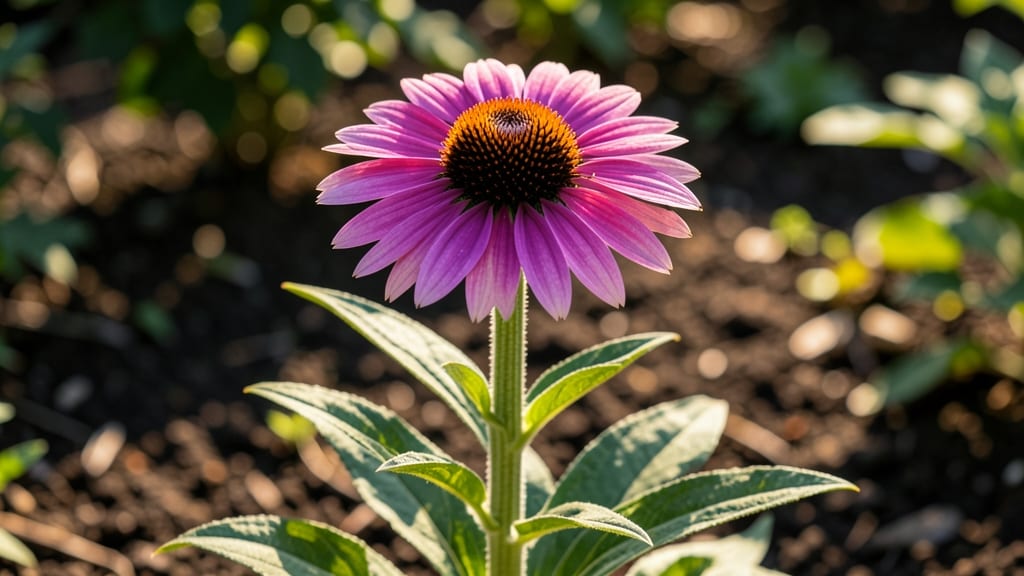
Coneflower bloom season by variety: when each type peaks
Coneflowers are pollinator magnets that bring vibrant color to gardens from mid-summer through fall—but not all varieties bloom at the same time. Understanding these differences helps you plan for continuous color and maximize your garden's appeal.
The three primary species—Echinacea purpurea, Echinacea pallida, and Echinacea paradoxa—each have distinct bloom windows and color palettes that can be strategically combined for extended seasonal interest.
Your local climate zone also plays a critical role in bloom timing. In cooler northern regions (USDA Zones 3-5), coneflowers often start blooming in late June or early July, while in warmer southern zones (Zones 9-11), they may begin as early as May.
Even within the same variety, reblooming patterns can create a second flush of flowers in late summer, especially with proper care.
Here's how to match varieties to your bloom goals, from early-season starters to late-season performers that keep your garden vibrant until frost. The key is knowing which types thrive in your zone and how to encourage multiple bloom cycles throughout the season.
Echinacea purpurea is the most popular variety and offers the longest bloom season, often producing flowers from July through September with a second flush in late August to October if deadheaded regularly. This species comes in vibrant purple, pink, white, and even yellow cultivars like 'Magnus' and 'Hot Papaya'. For early season color, pair it with Echinacea pallida, which typically blooms from June to August and features soft pale yellow flowers.
If you're aiming for unique color contrasts, Echinacea paradoxa is a standout with its greenish-yellow blooms that appear from July to September. This variety is perfect for cut flower arrangements and often reblooms in August and September, especially in warmer climates.
Its compact size (1-2 ft) also makes it ideal for smaller gardens or container planting.
For <
How USDA hardiness Zones shift coneflower bloom timing
Understanding how USDA hardiness zones influence coneflower bloom timing can transform your garden from a seasonal flash to a pollinator paradise all summer.
In colder Zones 3-5, early bloomers like Echinacea purpurea often start flowering as early as late June, while Zones 9-11 may see extended blooms well into November. The key difference? Frost sensitivity and growing season length.
Warmer climates like Zones 6-8 typically enjoy mid-season blooms from July to September, with some varieties reblooming after deadheading. Meanwhile, gardeners in Zones 3-5 must plan for shorter bloom windows unless they choose early-flowering varieties or use frost protection.
The first frost date becomes your deadline for maximizing bloom time.
| Zone Range | Typical Bloom Window | Key Varieties | Frost Impact | Extended Care Tip |
|---|---|---|---|---|
| Zones 3-5 | Late June - Early September | Echinacea purpurea 'White Swan', 'Magnus' | High (early frost cuts blooms) | Plant near south-facing walls for warmth |
| Zones 6-8 | July - October | Echinacea pallida 'Green Twist', 'Hot Papaya' | Moderate (late frost risk) | Deadhead regularly for reblooms |
| Zones 9-11 | August - November | Echinacea paradoxa 'Orange Glow', 'Green Envy' | Low (rare frost) | Mulch heavily for winter protection |
In Zones 3-5, I always choose early-flowering varieties like 'Magnus' to beat the frost. These coneflowers often bloom 2-3 weeks earlier than their southern counterparts, giving you a head start on pollinator season.
The trade-off? Their blooms may fade by early September unless you extend the season with row covers or greenhouse protection.
Gardeners in Zones 6-8 enjoy the sweet spot for coneflower blooms, with most varieties thriving through late summer. Here, Echinacea pallida often produces second flushes of blooms if you deadhead spent flowers.
The longer growing season means you can experiment with taller varieties like 'Green Twist' that reach 4-5 feet and provide dramatic vertical interest.
For those in Zones 9-11, coneflowers become year-round workhorses, often blooming until first frost (or even later with protection). Varieties like Echinacea paradoxa thrive in these climates, offering orange and yellow blooms that contrast beautifully with traditional purples.
The key here is water management—these zones can experience drought stress even in winter.
Regardless of your zone, soil preparation is critical. Amending with compost and ensuring well-draining soil helps coneflowers establish strong roots, which directly impacts bloom timing.
In Zones 3-5, I add extra organic matter to help plants recover from winter stress faster, while in Zones 9-11, I focus on mulching to retain moisture during dry spells.