
Blooming
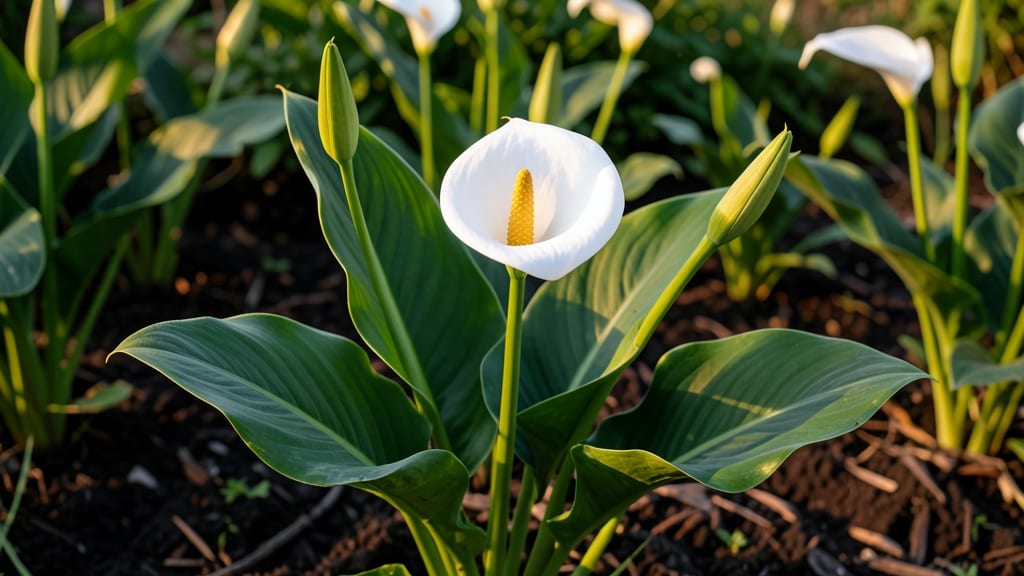
Calla lilies bloom every year in warm climates (USDA Zones 8-11) where they thrive as perennials, but in colder regions they typically die back annually unless you carefully lift and store their tubers indoors. Consistent seasonal care and climate adaptation are key to maintaining their annual flowering.
Calla lilies are perennials in their native warm climates, producing stunning blooms each season when given consistent moisture and sunlight. 🌸 However, their growth habits shift dramatically in cooler regions—where they enter dormancy in winter and may not rebloom without proper tuber care.
I've found that even in marginal zones, with the right overwintering techniques, you can coax them back into flowering every year.
The secret lies in understanding their natural cycle: calla lilies need at least 6 hours of sunlight daily and well-draining soil to store energy in their tubers. When temperatures drop below 40°F, their foliage will naturally yellow and die back, but the tubers remain alive underground.
In colder zones, this is where human intervention becomes crucial—digging up tubers before the first frost and storing them in a cool, dry place until spring.
What many gardeners don't realize is that calla lilies can actually become more reliable bloomers after their first year. Once established, they develop stronger root systems that make them more resilient to seasonal changes.
The key is maintaining consistent care throughout their growing season—whether that means protecting them from winter freezes or providing them with the right nutrients during their active growth period.
💡 In This Article
- Calla Lily Flowering Cycle: Why Some Years Are Better Than Others
- Cold-Hardy Calla Lily Care: Zones 7 and Below Survival Guide
Calla lily flowering cycle: why some years are better than others
The calla lily's annual blooming depends on a delicate balance of environmental triggers. These plants are photoperiod-sensitive, meaning their flowering is triggered by specific daylight hours. In their native South Africa, they experience long summer days (12+ hours of light) which signal their tubers to produce flowers.
When you grow them in northern climates, shorter daylight hours in fall can confuse their natural cycle, often delaying or reducing blooms. 🌿 The key is providing consistent 6-8 hours of direct sunlight daily—even in marginal zones—to maintain their flowering rhythm.
Temperature plays an equally crucial role. Calla lilies need warm soil (at least 65°F) to break dormancy and begin active growth. When nights dip below 50°F, their metabolism slows dramatically, which can weaken tuber reserves needed for next year's blooms.
What's fascinating is how their tubers store energy like a battery—each year's foliage growth builds reserves that fuel the following season's flowers. In colder zones, this energy storage becomes even more critical because the growing season is shorter.
Dormancy is where things get interesting. Unlike true perennials that stay green year-round, calla lilies enter a natural rest period when temperatures drop. Their above-ground foliage dies back, but the tubers remain alive below ground, conserving energy.
In warm zones (8-11), this happens gradually, while in cooler areas, the shock of frost can force an abrupt dormancy. This is why you might see biennial flowering in marginal zones—the plant may need two growing seasons to fully recharge its energy reserves before producing abundant blooms again.
The soil's role can't be overstated either. Calla lilies thrive in well-draining, slightly acidic soil (pH 6.0-6.5). Poor drainage leads to tuber rot, which directly impacts blooming potential. I've noticed that plants in heavy clay soils often produce fewer flowers because their energy goes into survival rather than reproduction.
The tuber's health is everything—healthy tubers mean vibrant blooms, while stressed tubers may skip flowering entirely. 💧 Consistent moisture during the growing season (about 1-1.5 inches per week) helps maintain tuber vigor.
Here's what most gardeners miss: calla lilies often produce their most spectacular blooms in their third or fourth year. This is when their root systems become fully established. The first year is about building strength, the second about refining, and by year three, they're ready to show their full potential.
In colder climates, this timeline gets compressed—you might see fewer blooms in the first year after overwintering because the plant is still recovering from dormancy stress.
Seasonal adjustments make all the difference. For example, in Zone 7, I've found that mulching heavily in fall (with 4-6 inches of straw or leaves) can protect tubers from temperature swings that might otherwise trigger premature dormancy.
The goal is to mimic their native climate conditions as closely as possible—consistent warmth, adequate light, and proper moisture management create the perfect storm for reliable annual blooming.