
Blooming
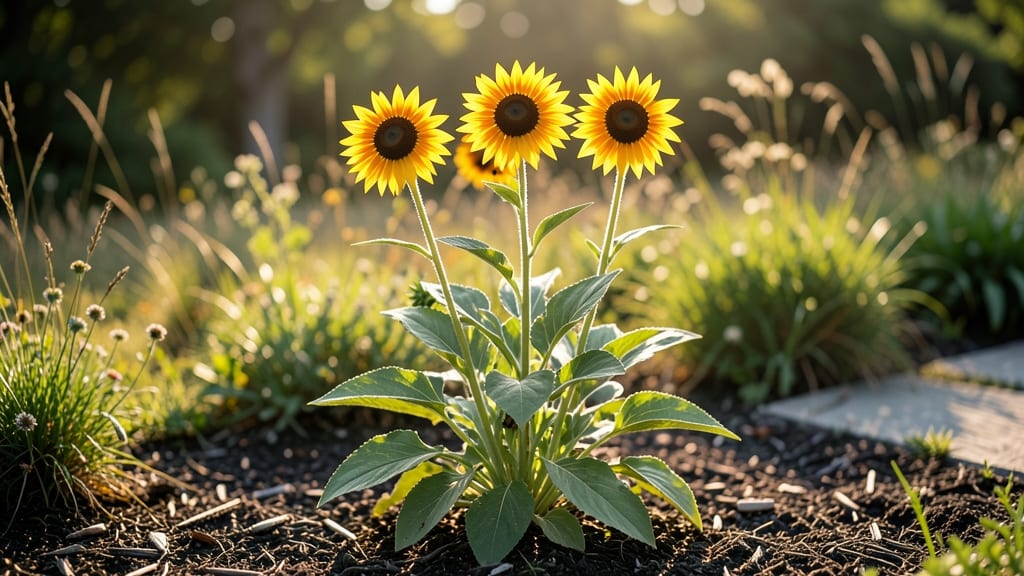
Black-Eyed Susans bloom in mid to late summer 🌼, but their timing varies wildly depending on where you garden—and whether you’re getting one flush or two.
If you’ve ever wondered why your Black-Eyed Susans bloom at different times—or why some years produce two stunning flushes of flowers—understanding their bloom cycles by USDA zone is the key to maximizing their beauty in your garden.
In Zone 6a, where these hardy perennials thrive, the first flush typically arrives in early July, while a second wave might follow in late August if conditions are right. But move a few zones south, and those timelines can shift by weeks.
Below, I’ll break down exactly when to expect blooms in your area, how to coax a second flush, and which companion plants will keep your garden vibrant all season long.
Black Eyed susan bloom time by USDA Zone: when to expect first and second flushes
Black Eyed Susans (Rudbeckia hirta) are one of the most reliable late-summer bloomers, but their exact bloom time varies dramatically depending on your USDA zone.
In colder regions like Zone 3-4, you might see first blooms as early as late June, while warmer Zone 9-10 gardens often burst into color by mid-May. Understanding these patterns helps you plan companion plants and extend their stunning second flush.
The key to predicting bloom times lies in your last frost date and average summer temperatures. Black Eyed Susans typically need 60-90 days from planting to first bloom, but this timeline shifts with climate.
Southern gardens often enjoy earlier and longer blooming seasons, while northern zones may experience shorter but more intense flowering periods. Let's break down what to expect in your specific zone.
🌼 PRO TIP: Plant Black Eyed Susans in full sun locations (6+ hours daily) to trigger earlier blooming. Even a few extra hours of sunlight can push first blooms forward by 1-2 weeks in cooler zones.
| USDA Zone | First Flush (Avg. Week) | Second Flush (Conditions) | Notes |
|---|---|---|---|
| 3-4 | Late June - Early July | Late August - Early Sept (if deadheaded) | Short season; needs early planting |
| 5-6 | Mid-June - Late June | Late July - Mid-August | Reliable second flush with proper care |
| 7-8 | Early June - Mid-June | Mid-July - Late August | Longest bloom window; thrives in heat |
| 9-10 | Mid-May - Early June | June - September (continuous) | May rebloom with minimal care |
In Zones 3-4, where summers are short, Black Eyed Susans often produce just one main flush of blooms. However, if you deadhead spent flowers immediately after the first bloom, you can coax a second, smaller flush in late summer.
The trade-off is that these northern plants may not handle late-season heat waves as well as their southern counterparts.
Gardeners in Zones 5-6 enjoy the best of both worlds with two distinct bloom periods. The first flush typically arrives in mid-June, followed by a second, equally impressive wave in late July.
This makes them perfect for cut flower arrangements that you can harvest in succession. The secret here is consistent moisture during dry spells—these zones often experience summer droughts that can stress the plants.
💧 WATERING ALERT: In Zones 7-10, Black Eyed Susans may continue blooming through September if given regular water during establishment. Once established, they're drought-tolerant, but deep watering once weekly keeps them producing new blooms. Southern gardens also benefit from afternoon shade in the hottest months to prevent bud drop.
If you're in Zone 9-10, you might notice your Black Eyed Susans bloom continuously from spring through fall. This is because the mild winters and long growing season allow them to treat blooming like an annual event.
In these zones, focus on controlling spread—they can become invasive if left unchecked. Regular deadheading prevents self-seeding and keeps the plants focused on producing new flowers rather than seeds.
One common misconception is that all Black Eyed Susans bloom at the same time. In reality, variety selection plays a huge role.
Dwarf varieties like 'Indian Summer' may bloom 2-3 weeks earlier than standard types, while 'Andenken an Friedrich Hahn' produces larger, longer-lasting blooms that often extend the season by 3-4 weeks. Choosing the right cultivar for your zone can make all the difference in achieving that long, continuous display.
For gardeners in transition zones (like Zone 7b), bloom times can vary year to year based on spring temperatures. A cool, wet spring delays blooming by 2-3 weeks, while a warm, dry spring can push first blooms forward.
Pay attention to your local weather patterns and adjust planting times accordingly. In my Zone 7 garden, I've found that planting in early April (rather than waiting for the last frost) gives me earlier blooms without risking frost damage.
Remember that soil health also affects bloom timing. Amending your soil with compost before planting provides the nutrients needed for vigorous growth and longer bloom periods. In poor soil conditions, plants may produce fewer blooms or have shorter stems.
A simple soil test can reveal if your garden needs phosphorus-rich fertilizer to support abundant flowering.
How to extend Black Eyed susan bloom time: tips for prolonged second flushes
Black Eyed Susans (Rudbeckia hirta) are known for their cheerful blooms, but did you know they can produce two flushes of flowers in a single season? With the right care, you can encourage that second bloom to extend their beauty well into fall.
The key lies in understanding their growth habits and providing consistent support.
Many gardeners miss the opportunity for a prolonged second flush because they stop maintenance after the first bloom. But with simple techniques—like deadheading, proper watering, and soil care—you can transform a single summer display into a late-season spectacle that brightens your garden long after most annuals have faded.
- 1 Deadhead regularly – Remove spent blooms by pinching off the flower head just above the foliage. This redirects energy to new buds instead of seed production. Do this weekly during peak bloom for best results.
- 2 Fertilize lightly after the first flush using a balanced 5-10-10 fertilizer. Apply it in early summer (June) to support new growth. Avoid over-fertilizing, which can lead to leafy growth over flowers.
- 3 Water deeply but infrequently—aim for 1 inch per week. Drought stress can trigger a second flush, but ensure roots stay moist during dry spells. Water at the base in the morning to prevent fungal issues.
- 4 Prune back by one-third after the first bloom to encourage bushier growth. Use clean, sharp pruners and cut just above a leaf node. This stimulates new stems and more flowers.
- 5 Ensure full sun—Black Eyed Susans thrive with 6+ hours of sunlight daily. If your garden is shady, consider transplanting them to a sunnier spot before the first flush fades. Partial shade can reduce blooming.
With these techniques, your Black Eyed Susans can bloom from early summer through fall frost, creating a stunning extended display. The secret is consistency—don’t let maintenance slip after the first flush, and you’ll be rewarded with weeks of vibrant color.
For even longer blooms, choose dwarf varieties like 'Indian Summer,' which are bred for prolonged flowering. Pair them with companion plants like coneflowers or sedum for a season-long garden showstopper. 🌼