
Blooming
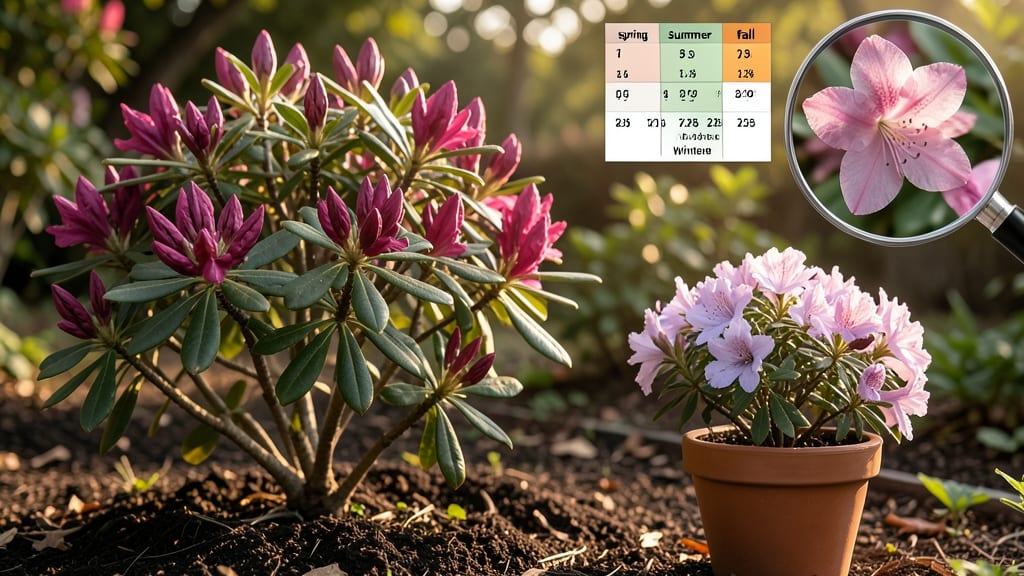
Azaleas don't bloom all year, but certain re-blooming types like Encore and Southern Indica produce multiple flower cycles annually—typically spring and fall, with occasional summer blooms when conditions are ideal. Traditional azaleas usually bloom just once per year in spring.
Most azaleas follow nature's seasonal rhythm, conserving energy for one spectacular spring display. 🌸 The key difference with re-blooming varieties lies in their genetic makeup—these hybrids have been bred to resist dormancy triggers, allowing them to produce flowers multiple times when given consistent moisture, balanced fertilizer, and proper pruning.
I've seen Encore azaleas in my garden continue blooming for months if I maintain these conditions, though even they need occasional rest periods between flushes.
What many gardeners don't realize is that even re-blooming azaleas require specific care to perform at their best. The secret lies in understanding their light requirements—most need morning sun and afternoon shade—and maintaining slightly acidic soil (pH 4.5-6.0).
When these factors align, you can extend the blooming season well beyond what traditional azaleas offer.
💡 In This Article
- Why Most Azaleas Bloom Only Once Per Year
- Best Re-Blooming Azalea Varieties for Year-Round Color
Why most azaleas bloom only once per year
Azaleas follow a strict biological cycle where their energy is allocated primarily to one major blooming event each spring. This single flush occurs because azaleas, like many deciduous shrubs, enter a period of dormancy during winter to conserve resources.
The plant's energy is focused on root development and bud formation rather than continuous flowering. 🌸 During dormancy, the shrub's metabolic processes slow dramatically, often by up to 70%, which redirects all available energy toward preparing for the next growing season.
The timing of this cycle is triggered by specific environmental factors, primarily daylight hours and temperature shifts. Most azaleas require 1,000-1,500 hours of chill temperatures below 45°F to break dormancy and initiate flowering. This cold requirement ensures they bloom when conditions are optimal for pollination and seed production.
Traditional azaleas have evolved this way because their natural habitats experience distinct seasonal changes, making a single annual bloom more energy-efficient than continuous production.
What sets re-blooming varieties apart is their genetic adaptation to resist complete dormancy. These hybrids have been selectively bred to maintain some level of metabolic activity throughout the year, allowing them to produce multiple flower cycles.
For example, Encore azaleas can produce up to three distinct blooming periods annually—spring, summer, and fall—when given proper care. The key difference lies in their ability to respond to environmental cues differently, particularly in how they interpret daylight length and temperature changes.
Another critical factor is the plant's carbohydrate storage system. Traditional azaleas store energy primarily in their roots, which they deplete during their single spring bloom. Re-blooming varieties, however, have developed more efficient energy distribution systems that allow them to replenish reserves more quickly between blooming cycles.
This adaptation enables them to produce flowers again later in the season without completely exhausting their resources. 💫
Light exposure plays a crucial role in this process too. Most azaleas require partial shade (about 4-6 hours of direct sunlight per day) to thrive. Too much intense sunlight can stress the plant, causing it to divert energy toward protective mechanisms rather than flowering.
In contrast, re-blooming varieties often tolerate slightly more sunlight, which helps them maintain consistent blooming throughout warmer months when daylight hours are longer.
Understanding these biological mechanisms helps explain why you might see azaleas in nurseries labeled as "re-blooming"—they've been specifically developed to overcome the natural limitations of their wild counterparts. However, even these varieties have their limits.
While they can produce multiple flower cycles, each flush still requires careful management of water, nutrients, and light to ensure the plant doesn't become overstressed between blooming periods.
The bottom line is that while traditional azaleas have evolved to conserve energy for one spectacular spring display, re-blooming varieties represent a botanical compromise that allows for extended color without completely abandoning their seasonal rhythms. This balance is what makes them such valuable additions to gardens seeking year-round interest. ✨