
Flowers
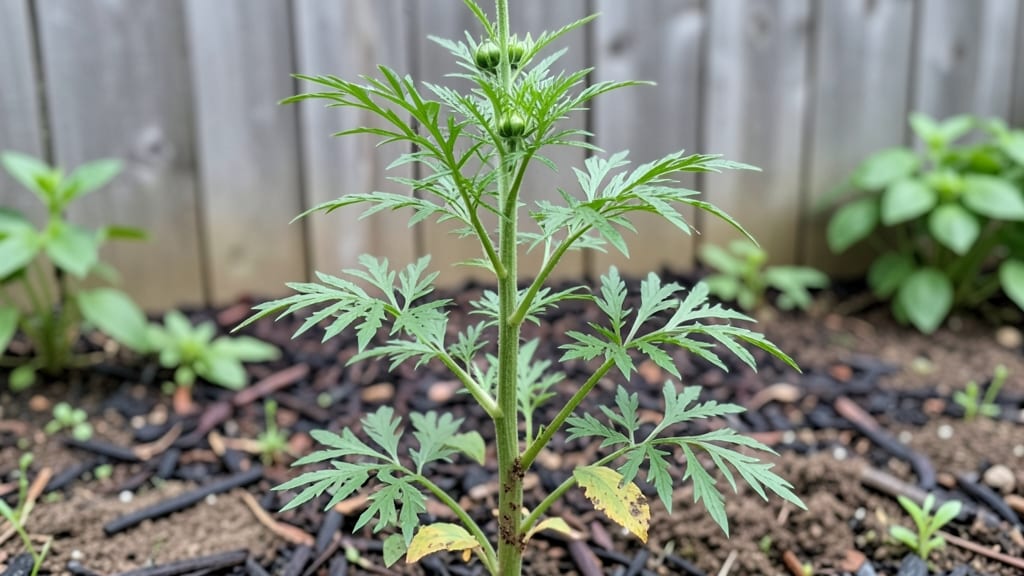
Growing vibrant cosmos before bloom 🌸 starts with the right care in those early weeks—when tiny seedlings hold the key to your summer's floral success.
Before cosmos flowers burst into vibrant blooms, their early growth stages reveal hidden clues about their health—and your gardening success. Learn how to identify strong seedlings and nurture them into thriving plants that explode with color.
You might think these delicate plants need constant attention, but cosmos are actually low-maintenance if you focus on just a few critical steps. From soil prep to sunlight tricks, small adjustments now mean big blooms later.
Here’s how to set yours up for a season of effortless beauty—no green thumb required. We’ll cover everything from spacing secrets to watering hacks that keep your cosmos thriving until those showstopping flowers arrive.
How to identify healthy cosmos seedlings before blooming stages
When you first plant cosmos seeds, the tiny sprouts may look fragile, but their early traits predict future blooming success. Healthy seedlings show distinct features that set them apart from weak or struggling plants.
I’ve learned to spot these signs early to give my cosmos the best start—here’s how you can too.
First, focus on the leaf structure. Strong cosmos seedlings develop deep green, fern-like leaves with smooth edges. Weak seedlings often have yellowing leaves or irregular shapes, signaling nutrient deficiencies or overwatering. Pay close attention to the leaf veins too—they should be clearly visible and uniform.
| Health Indicator | Strong Seedlings | Weak Seedlings |
|---|---|---|
| Leaf Color | Deep green, vibrant | Yellow, pale, or spotted |
| Stem Strength | Thick, upright, firm | Thin, leggy, or floppy |
| Root Development | White, fibrous, 2-3 inches | Short, brown, or mushy |
| Growth Rate | Steady, 1 inch/week | Slow or stunted |
| Early Disease Signs | None, healthy appearance | Powdery mildew, spots, or wilting |
The stem strength is another critical clue. Healthy cosmos seedlings have thick, upright stems that support the plant’s weight as it grows. If stems are thin or leggy, your seedlings may be reaching for light, a sign of insufficient sunlight.
In my garden, I’ve found that providing 6-8 hours of direct sun from the start prevents this issue.
Don’t overlook the roots—they’re the foundation of your cosmos plant. When you gently pull a seedling to check its roots, healthy ones are white, fibrous, and 2-3 inches long.
Weak roots appear short, brown, or mushy, often due to overwatering or poor drainage. I always test soil moisture before planting to avoid this common mistake.
Watch for early disease signs like powdery mildew or yellow spots on leaves. These issues often start as small marks but can quickly spread. If you notice white powdery residue or dark spots, isolate the affected plant and treat it with neem oil or a fungicide.
Prevention is key—I’ve had the best luck keeping my garden beds clean and well-ventilated.
Finally, observe the growth rate. Healthy cosmos seedlings grow about 1 inch per week under ideal conditions. If growth stalls or slows significantly, check for nutrient deficiencies or pest damage.
I’ve found that adding a balanced fertilizer (like 5-10-10) at planting time gives seedlings the boost they need to thrive.
To summarize, strong cosmos seedlings have vibrant leaves, sturdy stems, healthy roots, and a consistent growth rate. Weak seedlings show signs of stress early, but catching these issues before blooming ensures your cosmos will reward you with vibrant, long-lasting flowers all season.
Next time you’re checking your seedlings, use this diagnostic checklist to spot potential problems early. With the right care, your cosmos will grow into the showstopping plants you’ve dreamed of! 🌸
Best practices for encouraging strong cosmos growth before flowering
To coax your cosmos seedlings into robust, flowering powerhouses, focus on their early growth stages. These pre-bloom weeks determine whether your plants will reach their full vibrant potential.
The right soil conditions, watering routine, and sunlight exposure create the foundation for healthy stems and lush foliage that will support abundant blooms later. Let's dive into the key strategies that will transform your seedlings into thriving cosmos plants.
One of the most critical factors for cosmos growth before bloom is well-prepared soil. Cosmos thrive in loose, well-draining soil with a slightly acidic to neutral pH. Amending your garden bed with compost or aged manure ensures your plants have access to essential nutrients without risking root rot.
Avoid heavy clay soils, which can suffocate young roots and stunt growth. Instead, create a fertile, airy growing medium that encourages strong root development from the start.
- 1. Soil Prep: Mix 2-3 inches of compost into the top 6-8 inches of soil for optimal drainage and nutrients.
- 2. Watering: Keep soil consistently moist (not soggy) during early growth—1 inch per week is ideal.
- 3. Sunlight: Provide 6-8 hours of full sun daily; seedlings need bright light to prevent legginess.
- 4. Spacing: Plant seeds 1/4 inch deep and 12 inches apart to avoid overcrowding.
- 5. Fertilizing: Use a balanced 5-10-10 fertilizer lightly at planting, then again when plants reach 4-6 inches tall.
- 6. Thinning: Remove weaker seedlings to leave strongest stems with 2-3 inches of space between them.
Avoid the common mistake of overwatering young cosmos, which can lead to root rot and weak stems. Instead, water deeply but infrequently—aim for 1 inch of water per week, adjusting for rainfall.
Use a drip irrigation system or water at the base of plants in the morning to prevent fungal diseases. Remember, cosmos are drought-tolerant once established, so focus on consistent moisture during their early weeks.
Proper sunlight exposure is another game-changer for cosmos before bloom. Place your seedlings in the sunniest spot in your garden, as they need at least 6-8 hours of direct sunlight daily.
If growing in containers, position them near a south-facing window or use grow lights for 12-14 hours of light per day. Leggy seedlings with pale leaves are a clear sign of insufficient light, which weakens their structure and delays flowering.
Spacing plays a crucial role in preventing competition for nutrients and improving air circulation. Sow seeds 1/4 inch deep and thin seedlings to stand 12-18 inches apart. Overcrowded plants develop weaker stems and are more susceptible to powdery mildew.
If you’re growing dwarf varieties, reduce spacing to 6-12 inches to encourage bushier growth. Proper spacing also makes it easier to monitor each plant’s health and address issues early.
Finally, pinch back the tips of young cosmos stems when they reach 6-8 inches tall. This encourages branching and a fuller plant with more blooms. Use clean pruners to snip just above a set of leaves, and repeat every 4-6 weeks during the growing season.
Avoid heavy pruning, as cosmos are fast growers and will recover quickly with minimal stress.