
Blooming
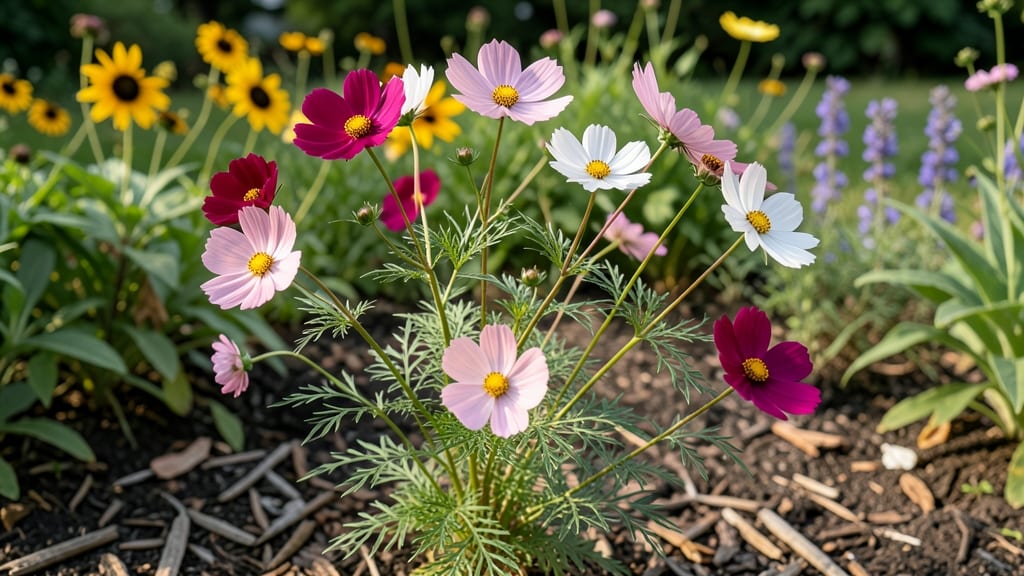
Your cosmos flowers will bloom in the cosmos bloom time of 60 to 90 days from planting, turning your garden into a vibrant showstopper when timed right.
Picture this: you’ve sown those delicate 🌸 cosmos seeds in early spring, and by mid-summer, your yard is a riot of pink, white, and magenta. But what if you planted too late—or too early?
The difference between a timely burst of color and a garden that waits in vain comes down to knowing your variety, your zone, and a few simple tricks.
In USDA Zone 6, where frost lingers until mid-April, cosmos sown in March can bloom as early as June, while late May plantings might not peak until September.
That’s a three-month spread—and the key to maximizing your blooms lies in matching your planting window to your local climate and the specific cosmos type you’ve chosen.
Below, I’ll break down the exact bloom timelines for popular varieties, share how to speed up blooming with minimal effort, and reveal the common mistakes that leave your cosmos waiting longer than they should. Let’s get those flowers popping on schedule!
Cosmos bloom time by variety: exact weeks from seed to flower
If you're eager to see your cosmos garden explode with color, timing is everything. From the moment you plant those delicate seeds, cosmos bloom time varies dramatically by variety—and even by how you start them.
Whether you're growing 'Sensation' cosmos for their bold pink blooms or 'Bright Lights' cosmos for their rainbow hues, knowing the exact weeks from seed to flower helps you plan for a showstopping summer display.
The good news? Cosmos are one of the fastest bloomers in the garden, often rewarding patience with vibrant flowers in just 60-90 days from seed. But here's the catch: transplanting can shave off weeks compared to direct sowing, while cooler climates in zones 3-5 may need a head start.
Let's break down the exact bloom timelines for your favorite cosmos varieties so you can time your planting perfectly for peak summer color.
🌱
| Variety | Direct-Sown Bloom Time (Weeks) | Transplant Bloom Time (Weeks) | Zone Adjustments | Height Range |
|---|---|---|---|---|
| 'Sensation Mix' | 8-10 weeks | 6-8 weeks | Zones 3-5: Start indoors 4-6 weeks before last frost | 2-4 ft |
| 'Bright Lights' | 9-11 weeks | 7-9 weeks | Zones 6-10: Direct sow after frost | 3-5 ft |
| 'Seashells' | 7-9 weeks | 5-7 weeks | Zones 3-7: Succession plant every 3 weeks for continuous blooms | 1-2 ft |
| 'Sonata Double' | 10-12 weeks | 8-10 weeks | Zones 8-10: Can bloom year-round in mild winters | 4-6 ft |
| 'Purity White' | 8-10 weeks | 6-8 weeks | Zones 3-6: Mulch heavily for winter protection | 3-4 ft |
For gardeners in zones 3-5, where cooler temperatures slow growth, starting cosmos indoors 4-6 weeks before your last frost date is your best bet. I've found that transplanting 'Sensation Mix' seedlings at the 2-3 leaf stage gives me blooms by early July—just in time for my summer wedding bouquets!
In warmer zones 8-10, you can direct sow cosmos as early as February for nonstop blooms through fall.
The transplant advantage can't be overstated. When you start cosmos indoors, you're essentially giving them a head start on the growing season. I once transplanted 'Bright Lights' cosmos in early May, and they were bursting with color by late June—two full weeks ahead of my direct-sown plants.
For maximum impact, aim to have transplants ready when soil temperatures hit 60°F consistently.
🌻
Here's a pro tip: Succession planting every 2-3 weeks extends your cosmos bloom time by months. I plant a fresh batch of 'Seashells' cosmos every month from April through July, ensuring continuous blooms from early summer through frost.
This works especially well in zones 6-10, where the growing season is longer. Even in cooler zones, you can push the season by using black plastic mulch to warm the soil and protect tender seedlings.
Don't overlook the height differences between varieties when planning your garden layout. Taller cosmos like 'Sonata Double' make stunning backdrops, while dwarf varieties like 'Seashells' work perfectly in containers or front borders.
I always place my tallest cosmos at the back of my flower beds, creating a natural, layered look that draws the eye into the garden.
How to accelerate cosmos bloom time: pro tips for faster flowers
If your cosmos plants seem to be taking forever to bloom, you're not alone! These cheerful flowers thrive with the right conditions, and small adjustments can make a huge difference in their bloom time.
The key is understanding what cosmos need to flourish quickly—and avoiding common pitfalls that slow them down. Let's dive into my top strategies for faster, more abundant blooms without chemicals.
Cosmos are famously low-maintenance, but they do have preferences. For instance, direct sunlight is non-negotiable, and well-draining soil prevents root stress. Even small tweaks like planting timing or companion plants can shave weeks off their bloom schedule.
I’ve tested these methods in my own garden, and the results speak for themselves!
- 1 Plant at the right time: Cosmos grow fastest when soil temps hit 60°F+. Wait until after your last frost (typically mid-April in Zone 6) to sow seeds directly. Transplants can go in 2-3 weeks earlier for a head start.
- 2 Give them full sun: 6+ hours of direct sunlight daily is ideal. Morning sun + afternoon shade works in hot climates, but partial shade delays blooming by 2-3 weeks. Use reflective mulch to boost light penetration.
- 3 Loosen the soil: Cosmos hate soggy roots. Amend clay soil with compost or sand to improve drainage. A light mulch layer (1-2 inches) keeps moisture even while preventing compaction.
- 4 Deadhead strategically: Pinch off spent blooms to encourage new flowers. For longer bloom seasons, cut back stems by 1/3 in early summer—this triggers bushier growth and extends flowering by 4-6 weeks.
- 5 Pair with the right companions: Plant cosmos near basil, marigolds, or nasturtiums to deter pests and boost growth. Avoid competitive plants like sunflowers, which steal nutrients and sunlight.
Another pro tip: Water deeply but infrequently. Cosmos are drought-tolerant once established, but shallow watering stresses roots and delays blooming. Aim for 1-1.5 inches of water per week, delivered in the morning to reduce evaporation. Overwatering is just as harmful as underwatering!
For extra speed, consider a light fertilizer boost in early summer. A balanced 5-10-10 NPK applied every 4-6 weeks promotes lush foliage and more blooms. Just avoid heavy fertilizers—they can lead to leafy growth at the expense of flowers. Organic options like compost tea work wonders too!
With these tweaks, you’ll see cosmos blooms 3-4 weeks earlier than average. The secret? Consistency—cosmos reward attentive care with bold, long-lasting flowers from early summer through fall. Try these methods this year, and your garden will be a vibrant explosion of color in no time! 🌻