
Blooming
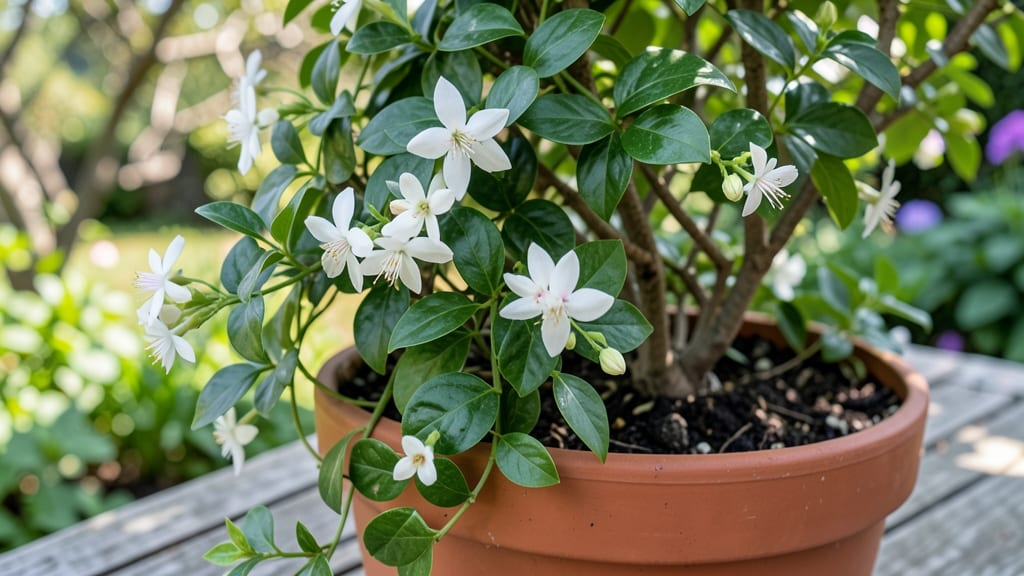
The Confederate jasmine bloom time depends on heat triggers and your local climate — and missing those cues can leave your vine bare for years.
If you’ve ever wondered why your Confederate jasmine refuses to bloom—or how to coax those fragrant white flowers into full glory—you’re not alone. This heat-loving vine thrives on precise timing, and understanding its bloom triggers could mean the difference between a bare branch and a cascading floral display 🌸.
In warmer zones (USDA 8+), blooms arrive as early as late spring, while cooler areas (zone 6a) may wait until summer heat kicks in. The key? Consistent warmth above 85°F for at least a few weeks to kickstart flowering.
Below, I’ll break down how to read your plant’s signals, adjust care for your zone, and even force earlier blooms with simple tricks that work in 30 days.
When does Confederate jasmine bloom? Heat-triggered seasons explained
Confederate jasmine (Trachelospermum jasminoides) is a heat-loving vine that blooms in response to specific temperature cues. Unlike many plants, its flowering is triggered by prolonged warmth, typically when daytime highs consistently reach 85°F or higher.
This explains why some gardeners in USDA zones 7-11 see blooms as early as late spring, while others in cooler regions wait until summer's peak.
The vine's native range in the southeastern U.S. (think Florida, Georgia, and the Carolinas) gives it a head start, but even there, blooming isn't guaranteed without proper care.
In Texas or California, where heat arrives earlier, you might spot flowers by May or June, while Florida's humid climate can push blooms into April or even March for early varieties.
Here's the key: Confederate jasmine needs 6+ hours of direct sunlight daily to store enough energy for blooms. Without this, the vine focuses on leafy growth instead of flowers. Even in hot climates, shade from trees or buildings can delay—or prevent—blooming entirely.
Think of it like a thermostat: the plant "turns on" its flowering genes only when temperatures hit that sweet spot.
| Climate Zone | Typical Bloom Window | Heat Trigger | Regional Notes |
|---|---|---|---|
| USDA 7-8 (e.g., Atlanta, GA) | Late May - June | 7 consecutive days ≥85°F | Humidity extends bloom season |
| USDA 9-10 (e.g., Houston, TX) | April - May | 5 consecutive days ≥88°F | Early blooms if winter mild |
| USDA 11 (e.g., Phoenix, AZ) | March - April | 3 consecutive days ≥90°F | Year-round blooms possible |
| USDA 6 (e.g., Raleigh, NC) | June - July | 10 consecutive days ≥85°F | Late blooms; needs winter protection |
Notice how cooler zones (like USDA 6-7) require longer heat exposure to trigger blooms? That's because the vine evolved to conserve energy in temperate climates.
In Florida or California, where winters are mild, the plant may bloom twice yearly—once in spring and again in fall—if temperatures dip slightly after summer.
There's also a genetic variation among cultivars. For example, the 'Little Gem' variety tends to bloom earlier than standard types, while 'Becky' often produces longer-lasting flowers. If you're in Zone 8 or higher, try planting both to extend your fragrant display.
The secret? Prune lightly in early spring to encourage new growth that will flower when heat arrives.
One common mistake is assuming more water = more blooms. Overwatering actually dilutes nutrients and delays flowering. Instead, water deeply but infrequently—about once weekly during dry spells—to mimic the drought-tolerant conditions of its native habitat.
Pair this with a balanced fertilizer (like 10-10-10) in early spring to give the vine the energy it needs to bloom.
In California's coastal regions (e.g., San Diego), where summers are warm but not extreme, Confederate jasmine often blooms in late spring but may struggle in inland areas due to hotter, drier conditions. The solution? Mulch heavily to retain moisture and provide afternoon shade during peak heat.
This trick works equally well in Texas Hill Country, where 100°F+ temperatures can scorch leaves if the vine isn't acclimated.
For gardeners in USDA Zone 7, the first frost date (usually October 15) signals the end of the bloom season. However, if you live in a microclimate with delayed frosts (like urban heat islands), you might coax a second flush of blooms in late summer
The trick? Prune lightly in early fall to stimulate new growth before temperatures drop. Remember: Confederate jasmine is not a cold-hardy plant. In Zones 6 and below, it often dies back to the ground in winter, only to regrow from the roots in spring. But even in these areas, the root system stores enough energy
Cold-zone tricks to extend Confederate jasmine bloom time
Living in USDA zones 6-7 means your Confederate jasmine faces tougher growing conditions, but with the right tricks, you can still enjoy those fragrant white blooms longer than usual. The key lies in protecting your vine from early cold snaps and encouraging it to delay dormancy.
Unlike tropical varieties, cold-zone jasmine needs strategic pruning and seasonal adjustments to thrive.
One of the biggest mistakes gardeners make is over-pruning in late summer, which can signal the plant to go dormant too early. Instead, focus on light pruning to shape growth while preserving next year’s blooms.
Even in cooler climates, selecting heat-tolerant varieties like ‘Little Gem’ can make a difference—its compact growth habit blooms earlier and handles brief cold snaps better.
To extend bloom time, start with winter protection—wrap your vine in burlap or frost cloth once temperatures drop below 30°F. This simple step can push your jasmine’s blooming window by 2-3 weeks in zones 6-7.
Pair this with light pruning in early spring to remove dead wood while preserving next year’s flower buds.
Another game-changer is strategic placement. Confederate jasmine thrives in full sun (6+ hours daily), but in cooler zones, a south-facing wall captures extra heat. If your yard lacks ideal sunlight, consider a container setup that you can move closer to the house during colder months.
Just ensure your pot has drainage holes to prevent root rot.
Don’t forget about soil health—amend your garden bed with compost or aged manure before planting to improve drainage and nutrient retention. Over time, this helps your vine handle temperature fluctuations better, leading to more consistent blooms.
And if you’re starting fresh, opt for ‘Little Gem’ or ‘Texas Star’ varieties, which are bred for earlier flowering and better cold tolerance.
With these cold-zone tricks, your Confederate jasmine can bloom 2-4 weeks longer than typical varieties, turning your garden into a fragrant oasis even in cooler climates. The secret? Protect, prune, and position—then step back and enjoy the show! 🌸