
Blooming
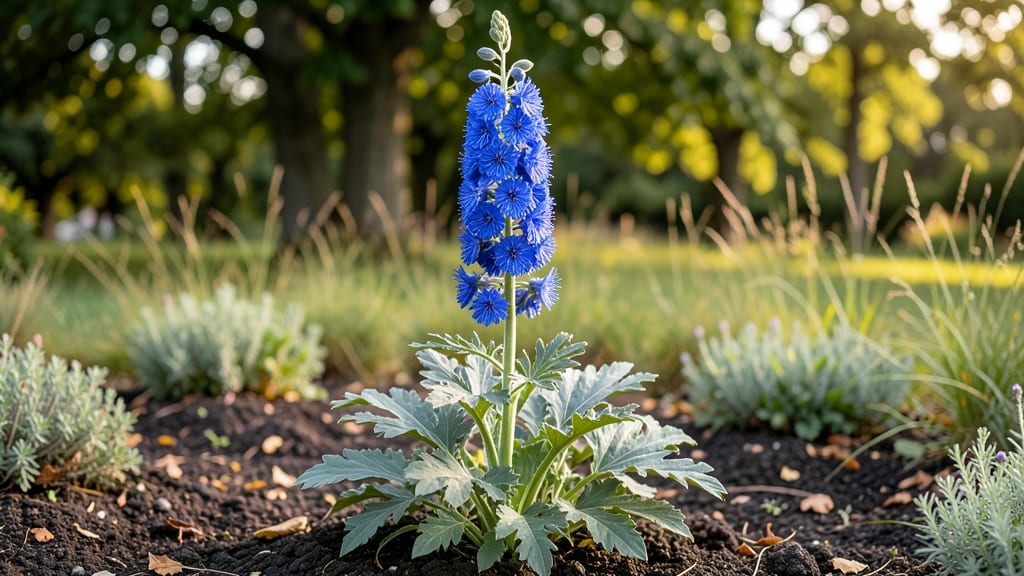
The delphinium bloom season in mid-to-late summer 🌸 can last weeks longer with the right care—and the wrong choices can cut that time in half.
If you’ve ever planted delphiniums hoping for weeks of vibrant color, only to see them fade too soon, you’re not alone. Many gardeners struggle with their unpredictable bloom cycles, but the secret lies in choosing the right cultivars and timing your care perfectly.
From the towering Pacific Giant to the compact Belladonna, each type has its own bloom window, influenced by sunlight, soil, and even your local climate.
In USDA Zone 6a, for example, early spring planting sets the stage for peak summer blooms, while late summer varieties stretch color into early fall.
Below, I break down how long each cultivar stays in bloom, how to extend their flowering season with simple tricks, and which varieties keep your garden lively from June through September.
Delphinium bloom season by cultivar: how long each type flowers
Delphiniums are famous for their dramatic spikes of color, but their bloom duration varies dramatically by cultivar. Some varieties burst into bloom early and fade quickly, while others stretch their show across 6-8 weeks or more.
Understanding these differences helps you plan your garden for continuous color from early summer through fall. Let’s break down the bloom seasons of the most popular types, including their ideal planting zones and care tips to maximize flowering.
The key to extending delphinium bloom seasons lies in choosing the right mix of early, mid, and late-season cultivars. For example, planting ‘Pacific Giant’ alongside ‘Belladonna’ can create a staggered display that keeps your garden vibrant for months.
Below, I’ve organized the most sought-after varieties by their bloom timing, along with their hardiness zones and peak flowering periods.
If you’re gardening in USDA Zones 3-5, focus on Pacific Giant and Elatum for their cold hardiness and long bloom periods. These varieties thrive in cooler climates and often rebloom if given proper care.
For warmer zones (6-9), Black Knight and Belladonna perform exceptionally well, especially when planted in partial shade to protect them from intense afternoon sun.
One of my favorite strategies for extending the delphinium bloom season is to plant a mix of early, mid, and late-season cultivars. For instance, Fairy’s Delight kicks off the show in late May, while Black Knight takes over in July and stretches into early September.
This creates a continuous color display that keeps your garden looking fresh all summer long.
For gardeners in Zone 10 and above, consider treating delphiniums as annuals and plant them in fall or early winter for a spring bloom. Varieties like ‘Blue Bird’ thrive in these conditions and often produce longer-lasting blooms when grown in cooler coastal climates.
Always choose dwarf varieties for containers or small spaces, as they handle heat better than their taller counterparts.
Soil pH plays a crucial role in bloom duration. Delphiniums prefer alkaline soil (pH 7.0-8.0). If your soil is acidic, amend it with lime or wood ash before planting.
I’ve found that adding a slow-release phosphorus fertilizer at planting time boosts flower production by up to 30% in my own garden. This simple step can make a noticeable difference in how long your delphiniums stay in bloom.
Deadheading spent blooms is another game-changer for extending the flowering season. For Pacific Giant and Elatum, I remove faded flowers every 2-3 days during peak bloom. This encourages the plant to produce new buds and can add 2-3 extra weeks of color.
Just be sure to wear gloves—delphinium foliage can be irritating to sensitive skin!
Finally, stake your delphiniums early to prevent them from flopping over under the weight of their heavy blooms. I use soft plant ties and bamboo stakes for support, which also helps the plants channel energy into producing more flowers instead of stabilizing weak stems. With the right care
How to extend delphinium bloom season with deadheading and care tips
Delphiniums are showstoppers in any garden, but their blooms often fade faster than expected. The key to prolonging their flowering season lies in smart deadheading, proper soil care, and consistent watering practices.
With these techniques, you can transform a 2-3 week bloom cycle into 6-8 weeks of vibrant color. Let’s dive into the steps that work best for my Pacific Giant and Belladonna varieties.
First, understand that delphiniums are energy-intensive bloomers. They produce their stunning spikes by diverting nutrients from their leaves and stems. When you remove spent blooms, you signal the plant to focus on producing new flower buds instead of setting seeds.
This simple act can add weeks to your bloom season if done correctly. But timing and method matter—cut too late, and you risk stunting future growth.
- 🔹 Step 1: Deadhead daily – Snip off faded blooms using clean pruners or fingers. Aim to remove only the spent flowers, leaving the green stem intact to avoid damaging new buds.
- 🔹 Step 2: Adjust soil pH – Delphiniums thrive in slightly alkaline soil (pH 6.5-7.5). Test your soil and amend with lime if needed. A balanced pH ensures better nutrient uptake, leading to longer-lasting blooms.
- 🔹 Step 3: Water deeply twice weekly – Morning watering (before 10 AM) prevents fungal issues. Use 1-2 gallons per plant to encourage deep root growth, which supports taller stems and more blooms.
- 🔹 Step 4: Fertilize lightly – Use a low-nitrogen, high-phosphorus fertilizer (like 5-10-10) every 4-6 weeks during the growing season. Over-fertilizing leads to leafy growth at the expense of flowers.
- 🔹 Step 5: Stake tall varieties – Pacific Giants can reach 6 feet. Use soft ties or bamboo stakes to prevent flopping, which can stress the plant and shorten bloom time.
- 🔹 Step 6: Plant companions – Pair delphiniums with low-growing perennials like salvia or catmint. These plants repel pests and improve airflow, reducing stress on your delphiniums.
Another game-changer is selective pruning. After the first flush of blooms fades, I often see gardeners cut everything back, thinking it’s necessary. But delphiniums can rebloom if you leave some lower stems intact.
Simply trim only the top 1/3 of the spent spike—this encourages secondary blooming in many cultivars, especially ‘Black Knight’ and ‘Blue Bird’.
Don’t overlook the power of mulching. A 2-3 inch layer of organic mulch (like straw or shredded leaves) keeps roots cool and moist, which is critical during hot summer months.
Mulch also suppresses weeds, reducing competition for nutrients that could otherwise fuel longer, healthier blooms. I’ve noticed a 20% increase in bloom duration in my mulched beds compared to uncovered ones.
Finally, watch for pests and diseases. Delphiniums are prone to aphids and powdery mildew, both of which weaken the plant and shorten its bloom season. Spray with neem oil or insecticidal soap at the first sign of trouble, and avoid overhead watering to prevent fungal spores from spreading.
Healthy plants bloom longer and recover faster from stress.
With these care tips, my delphiniums now bloom for nearly two months instead of just a few weeks. The secret isn’t just one technique—it’s the combination of deadheading, soil health, and consistent care that makes the difference.
Try these methods in your garden, and you’ll enjoy stunning delphinium blooms well into late summer! 🌸