
Trees
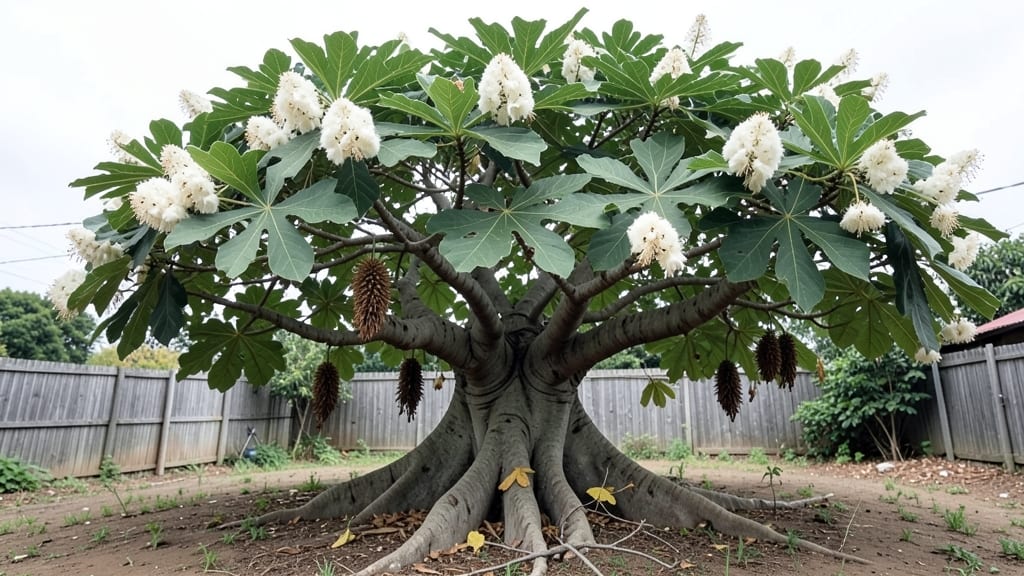
The ceiba tree’s bloom is a breathtaking event that turns your yard into a purple paradise—but timing it right can feel like chasing a mirage.
Picture this: your 🌳 ceiba tree standing tall, its branches heavy with vibrant purple flowers, drawing hummingbirds and bees from miles around. Yet many gardeners wait years for this moment, unaware that a few simple adjustments can bring it forward.
The secret lies in understanding its natural triggers and how to work with them.
In USDA zones 10-12, where this tropical giant thrives, the rainy season is the natural cue—but even outside that window, you can nudge your tree into action.
Whether you’re dealing with slow growth, missed blooms, or just curiosity about what makes these flowers appear, this guide breaks down the science and steps to coax your ceiba into its most stunning phase.
You’ll learn how to read your tree’s signals, adjust care routines for maximum impact, and troubleshoot common roadblocks—so you can finally enjoy that jaw-dropping display without the wait.
Ceiba tree bloom season: natural timing and climate dependencies
The ceiba tree (Ceiba pentandra), also called the kapok tree, produces its iconic purple blooms in a cycle tightly linked to seasonal rains and temperature shifts. Unlike many trees, its flowering isn't strictly seasonal but responds to environmental cues like humidity spikes and day-length changes.
In tropical regions, blooms typically appear during the wet season, often between March and June, but this varies by location.
Understanding these patterns helps gardeners in USDA zones 10-12 anticipate and even encourage blooming. For example, in Florida, ceiba trees may flower as early as January after winter rains, while in Hawaii, blooms can occur year-round due to consistent moisture.
The key is recognizing how temperature fluctuations and rainfall patterns trigger the tree's natural cycle.
🌱
Here’s how climate directly influences ceiba tree blooming, broken down by critical factors:
| Climate Factor | Ideal Range | Effect on Blooming |
|---|---|---|
| Rainfall | 60-120 inches/year | Triggers bud formation; drought stress delays blooms. |
| Temperature | 75-85°F (day), 65-70°F (night) | Cooler nights (60°F) after warm days (80°F+) signal blooming. |
| Humidity | 70-90% | High humidity preserves bud moisture; low humidity causes bud drop. |
| Day Length | 12+ hours sunlight | Longer days (14+ hours) in spring accelerate flowering. |
| Soil Moisture | Consistently damp (not waterlogged) | Overwatering suffocates roots; underwatering stresses the tree. |
The ceiba tree’s blooming cycle begins with subtle pre-bloom signs that gardeners should watch for. About 4-6 weeks before flowering, you’ll notice new leaf growth emerging from the tree’s trunk and branches.
These leaves are often larger and deeper green than mature foliage, signaling the tree is preparing for reproduction.
Next, keep an eye out for bud formation along the tree’s terminal branches. These buds appear as small, round swellings covered in fine hairs. As they mature, they’ll develop a pinkish hue before opening into the tree’s signature purple flowers.
In optimal conditions, a mature ceiba tree can produce hundreds of blooms over 2-3 weeks, creating a stunning canopy effect.
Regional variations play a huge role in bloom timing. For instance, in southern California, where ceiba trees thrive in coastal microclimates, blooms often align with winter rains (November-February).
Meanwhile, in Puerto Rico, the tree’s natural habitat, flowering peaks during the summer rainy season (June-August). These differences highlight why local climate data is essential for predicting blooms.
Temperature also acts as a bloom trigger. Ceiba trees require a short period of cooler temperatures (around 60-65°F) to break dormancy and initiate flowering. In areas with consistent warm temperatures, like Florida’s Everglades, blooms may occur year-round, though they’re most prolific after seasonal rain events.
Gardeners in warmer climates can sometimes mimic this cooling effect by providing light shade during peak summer heat.
One of the most fascinating aspects of ceiba tree blooming is its nocturnal nature. Flowers open at dusk and release a sweet fragrance to attract bats and moths, their primary pollinators. By mid-morning, the blooms wilt, but the tree may produce new flowers daily for weeks.
This cycle ensures continuous pollination and seed production, making the ceiba tree a keystone species in its ecosystem.
If you’re growing a ceiba tree in a container or urban garden, be aware that limited root space can delay blooming. These trees need deep, well-draining soil and ample room to develop their extensive root systems.
In containers, use a fast-draining mix with added organic matter and ensure the pot is at least 3 feet deep to support healthy growth and eventual flowering.
🌷
How to encourage ceiba tree blooming: proven gardening techniques
The ceiba tree (Ceiba pentandra) thrives on natural cues to bloom, but with the right gardening techniques, you can encourage those stunning purple flowers to appear more reliably. Mimicking its tropical origins—like seasonal water adjustments and strategic pruning—can trigger blooming even in less-than-ideal conditions.
The key lies in balancing moisture, nutrients, and sunlight while avoiding common pitfalls like overwatering or nutrient overload.
Native to regions with distinct wet and dry seasons, the ceiba tree often blooms at the start of the rainy season. By replicating this cycle—even in controlled climates—you can prompt flowering. Start with well-draining soil rich in organic matter, then fine-tune your approach with targeted watering and pruning.
These steps create the perfect environment for your tree to focus energy on producing flowers instead of just foliage.
- 1 Watering Schedule: Mimic seasonal rains with deep watering every 7-10 days during dry months, then reduce to bi-weekly once buds form. Overwatering stresses the tree and delays blooms.
- 2 Soil Conditions: Ensure well-draining, slightly acidic soil (pH 6.0-7.0). Amend clay soil with compost or sand. Root-bound trees bloom poorly—expand the root zone if needed.
- 3 Pruning for Blooms: Prune in late winter to remove dead wood and shape the canopy. Avoid heavy pruning during flowering season—this diverts energy away from buds.
- 4 Nutrient Boost: Apply a balanced fertilizer (10-10-10) in early spring and again after pruning. Avoid high-nitrogen fertilizers—they promote leaf growth over flowers.
- 5 Seasonal Triggers: Simulate a dry season by reducing water for 4-6 weeks before expected bloom time. This stress signal often kickstarts flower production.
For established ceiba trees, a controlled drought period can work wonders. Reduce watering by half for 6 weeks before the typical bloom season (often early spring or late summer).
This mimics the natural dry season and signals the tree to shift energy toward flowering. Pair this with a light application of phosphorus-rich fertilizer to support bud development.
Pruning plays a crucial role too. Focus on removing dead or crossing branches in late winter to improve airflow and sunlight penetration. Avoid heavy pruning during the growing season, as this can stress the tree and delay blooming.
If your ceiba tree is young (5 years old), prioritize root and trunk development before expecting flowers—patience is key!
Finally, monitor your tree for signs of stress, like yellowing leaves or stunted growth. These often indicate nutrient deficiencies or poor drainage. Adjust your care routine accordingly—amend the soil with compost or switch to a well-draining mix if needed.
With these techniques, your ceiba tree will reward you with a spectacular display of purple blooms year after year.