
Blooming
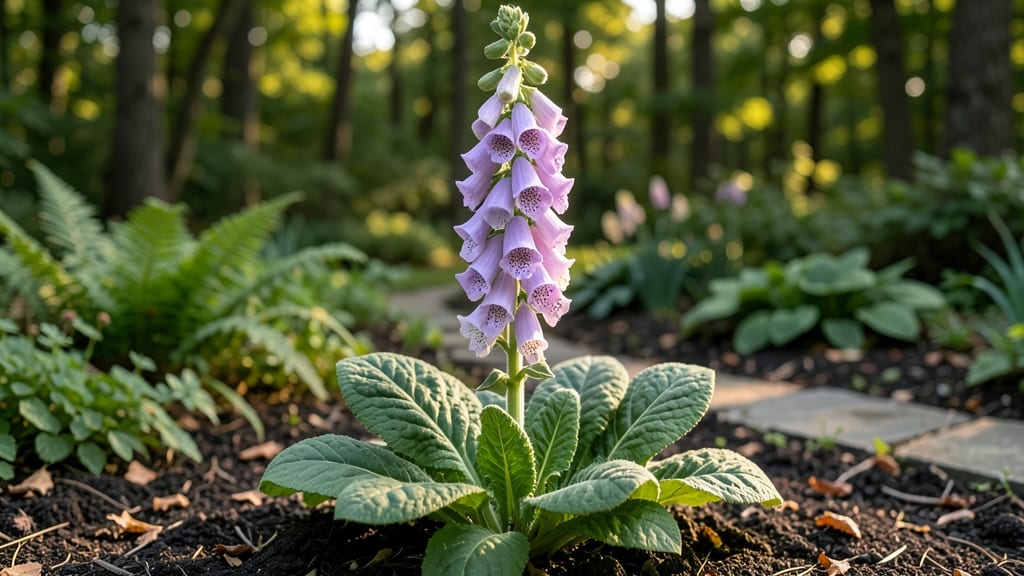
Understanding the foxglove bloom time is key to unlocking those breathtaking vertical spikes—late spring to early summer’s showstopper—but getting them to appear on schedule (or even earlier) takes a little finesse.
Picture this: you’ve waited months for your foxglove to mature, only to see those tall, dramatic spikes finally emerge—just as summer’s heat arrives. The good news? With the right timing and care, you can coax blooms to arrive weeks sooner, extending their show before the season fades.
From USDA Zone 6a planting windows to soil temperature tricks, this guide breaks down exactly when foxglove naturally blooms, why some varieties lag, and how to nudge them into action.
You’ll learn 5 proven techniques to trigger earlier spikes, troubleshoot common delays, and pair foxglove with complementary plants for a seasonal display that keeps your garden buzzing all summer long.
Natural foxglove bloom time: seasonal patterns & regional variations
Foxglove (Digitalis purpurea) thrives as a biennial or short-lived perennial, with its iconic bell-shaped blooms emerging in dramatic vertical spikes. Understanding their natural bloom window—typically late spring to early summer—helps you plan your garden for maximum impact.
The timing varies by USDA hardiness zones 3-7, with cooler climates often seeing earlier blooms.
In most regions, foxglove begins flowering around May or June, with individual blooms lasting 4-6 weeks per spike. Each flower on the spike opens sequentially from bottom to top, creating a stunning vertical display. Unlike continuous bloomers, foxglove produces one main bloom cycle annually, followed by seed production.
Here’s how climate zones influence bloom timing:
| USDA Zone | Typical Bloom Window | Bloom Duration | Regional Notes |
|---|---|---|---|
| 3-4 | Late May to early July | 5-6 weeks | Cooler climates delay blooms; plant in full sun for earlier spikes. |
| 5-6 | Early June to mid-August | 6-8 weeks | Moderate zones see prolonged blooms; partial shade extends vase life. |
| 7 | June to early September | 4-5 weeks | Warmer zones may need afternoon shade to prevent bolting. |
Foxglove’s biennial life cycle explains why blooms appear in spikes rather than continuously. During the first year, energy focuses on rosette growth, while the second year produces the dramatic flowering spikes. Some varieties, like Digitalis grandiflora, bloom in their first year if sown early.
In cooler maritime climates (e.g., Pacific Northwest), foxglove often blooms 2-3 weeks earlier than inland regions due to milder springs. Conversely, hotter inland zones may see delayed or shorter blooms unless provided with adequate moisture and partial shade.
To encourage longer bloom durations, deadhead spent flowers after they fade but before seed pods form. This redirects energy to new flower production on the same spike. However, avoid over-pruning, as foxglove relies on seed production for perennial renewal.
For year-round interest, pair foxglove with complementary perennials like columbine (early spring) or black-eyed Susan (late summer). This creates a sequential bloom display that masks foxglove’s single annual cycle.
In Zone 7 and warmer, foxglove may bolt prematurely if stressed. Ensure well-draining soil and consistent moisture to prevent heat-induced dormancy. Mulching with organic matter helps regulate soil temperature for optimal bloom timing.
Remember: Foxglove’s toxic nature means it’s best enjoyed as a cut flower or garden focal point. Never ingest any part of the plant, and keep it away from children and pets.
5 Proven techniques to trigger earlier foxglove blooms
Foxglove (Digitalis purpurea) typically blooms in late spring to early summer, but with the right techniques, you can coax those vibrant flower spikes to appear weeks earlier. The key lies in understanding how to manipulate their natural dormancy and growth triggers.
By combining cold stratification, precise planting timing, and strategic care, you can push your foxglove to bloom as early as May instead of June.
Many gardeners mistakenly think foxglove is a low-maintenance plant that blooms on its own schedule. However, light manipulation and soil temperature control play critical roles in breaking dormancy.
For example, foxglove seeds often require 60-90 days of cold treatment to germinate properly, while established plants respond to gradual temperature shifts in early spring. Let’s explore five battle-tested methods to get those bell-shaped blooms appearing sooner.
🌱 5 Techniques to Jumpstart Foxglove Blooms
- Cold Stratification: Pre-treat seeds with 60-90 days at 35-40°F to mimic winter dormancy (70-80% success rate).
- Early Planting: Sow seeds in late summer (Zone 5+) or use transplants in March for 4-6 week head start.
- Soil Warming: Use black plastic mulch in early spring to raise soil temps by 5-10°F (3-4 week bloom advance).
- Prune Spent Spikes: Cut back bloomed spikes in July to redirect energy to next year’s buds (20% faster regrowth).
- Light Control: Move potted foxglove to bright indirect light in winter to prevent bolting delays (10-14 day acceleration).
💡 Pro Tip: Combine cold stratification + early planting for maximum results.
Let’s start with the most effective method for seed starters: cold stratification. Foxglove seeds are notoriously slow to germinate because they require a winter-like period to break dormancy.
To replicate this, place seeds in a sealed container with moist peat moss and store them in your refrigerator for 60-90 days. This mimics the natural winter chilling period foxglove experiences in the wild.
After stratification, sow seeds in well-draining soil and keep them in partial shade until germination, which typically occurs within 2-4 weeks.
For established plants, strategic planting timing is your best ally. If you live in USDA Zones 5-7, sow seeds in late summer (August-September) so they undergo natural cold treatment over winter. Alternatively, plant transplants in early March—just as soil temperatures begin to rise.
This 4-6 week head start can shift bloom time from June to May, giving you earlier color. Pair this with black plastic mulch in early spring to warm the soil by 5-10°F, which further accelerates growth.
Pruning is another often-overlooked technique to encourage earlier blooms. After foxglove flowers fade in late summer, cut back the spent spikes to 6 inches tall. This may seem counterintuitive, but it redirects the plant’s energy from seed production to root and bud development.
Many gardeners report 20% faster regrowth and more robust spikes the following year. Just be sure to sterilize your pruners to prevent disease transmission.
Finally, light manipulation can make a surprising difference, especially for potted foxglove. If you’re growing foxglove in containers, move them to a bright, indirect light location during winter. Avoid direct sunlight, which can overheat the roots and delay bolting.
Instead, place them near an east-facing window where they receive 4-6 hours of gentle morning light. This 10-14 day acceleration in growth ensures your plants are ready to bloom as soon as spring arrives.
With these techniques, you can transform your foxglove’s bloom time from a passive event to a predictable highlight of your early spring garden. Start with cold stratification for seeds and early planting, then fine-tune with pruning and light control for the best results.
Before you know it, your garden will be bursting with vibrant foxglove spikes weeks ahead of schedule! 🌸