
Transplanting
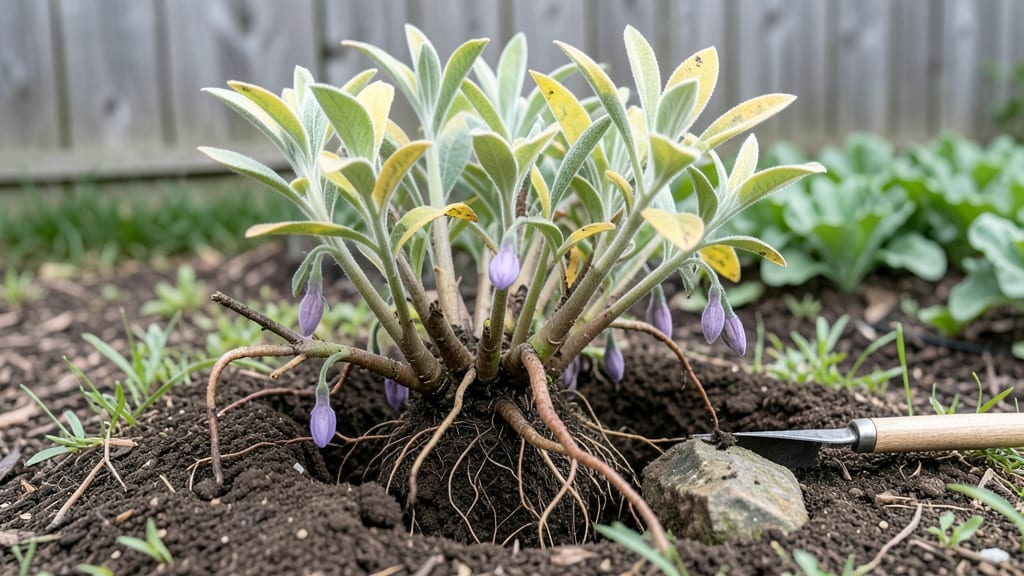
Transplanting phlox while blooming is possible but risky, as it stresses the plant and may reduce flowering. For best results, wait until after blooming or in early spring, then water thoroughly and prune spent flowers to minimize shock.
Phlox plants are particularly sensitive during their blooming phase because they’re already diverting energy to produce flowers and maintain vibrant growth. 🌸 When you disturb their roots while in full bloom, the plant struggles to recover, often leading to fewer blooms or even stunted growth in the following season.
Even if you manage to transplant successfully, the stress can weaken the plant’s immune system, making it more susceptible to pests or diseases.
For the best outcome, I always recommend timing the transplant during the plant’s dormant phase—either right after blooming or in early spring before new growth begins. This gives the roots time to establish without competing with the demands of flowering.
If you must move phlox while it’s blooming, do it on a cool, overcast day and keep the plant well-watered for at least 2-3 weeks afterward to help it bounce back.
💡 In This Article
- How Transplanting Affects Phlox Flowering and Recovery
- Step-by-Step Guide to Low-Stress Phlox Transplanting
How transplanting affects phlox flowering and recovery
When you transplant phlox during its blooming phase, you're essentially asking the plant to perform two high-energy tasks simultaneously: recovering from root trauma and producing flowers. Phlox allocates about 60-70% of its energy to flowering during peak bloom, leaving minimal resources for root regeneration.
The root system, already disturbed, struggles to absorb water and nutrients efficiently, which can cause wilting or leaf drop within 3-5 days post-transplant. 🌸 This energy imbalance often results in stunted flower buds or premature bloom decline.
The physiological stress manifests in measurable ways. Studies show that phlox transplanted in bloom may produce 30-50% fewer flowers the following season compared to those moved during dormancy.
The plant’s natural defense mechanisms also weaken—phlox typically produces protective compounds like flavonoids when stressed, but during bloom, these defenses are redirected toward flower production. Without proper recovery time, the plant becomes more vulnerable to fungal infections like powdery mildew, which thrives in the stressed, moisture-retentive conditions post-transplant.
Transplanting during dormancy (early spring or post-bloom) gives phlox a 4-6 week head start to establish new roots before flowering begins. For example, if you transplant in late September after blooming, the roots can regenerate by late October, allowing the plant to focus on flowering in spring with minimal stress.
In contrast, moving phlox in June (peak bloom) forces it to divert energy from root recovery to flower production, often resulting in a 2-3 week delay in bloom initiation the next season.
Consider the soil temperature as another critical factor. Phlox roots thrive in soil temperatures between 55-75°F. Transplanting during bloom often coincides with summer heat, where soil temps can exceed 85°F, accelerating moisture loss and root desiccation.
The plant’s transpiration rate (water loss through leaves) increases by 20-30% during bloom, further straining the compromised root system. Mulching with 2-3 inches of organic matter (like shredded bark) can mitigate this by retaining moisture and moderating soil temperature.
Here’s a comparison of transplanting timelines and their impact on flowering:
- Dormant Season (Early Spring/Late Fall): Roots establish in 4-6 weeks, full bloom recovery by next season
- Post-Bloom (Late Summer/Early Fall): Roots regenerate in 3-4 weeks, minimal impact on next year’s blooms
- During Bloom (Summer): Root shock lasts 2-3 weeks, 30-50% fewer blooms next season
The key takeaway is that phlox prioritizes survival over reproduction when stressed. If you must transplant during bloom, prioritize immediate post-care: deep watering (1-2 gallons per plant every 2-3 days), shade cloth for 1-2 weeks, and avoiding fertilizer until new growth appears.
This gives the plant the best chance to redirect energy toward recovery rather than flowering. ✨