
Blooming
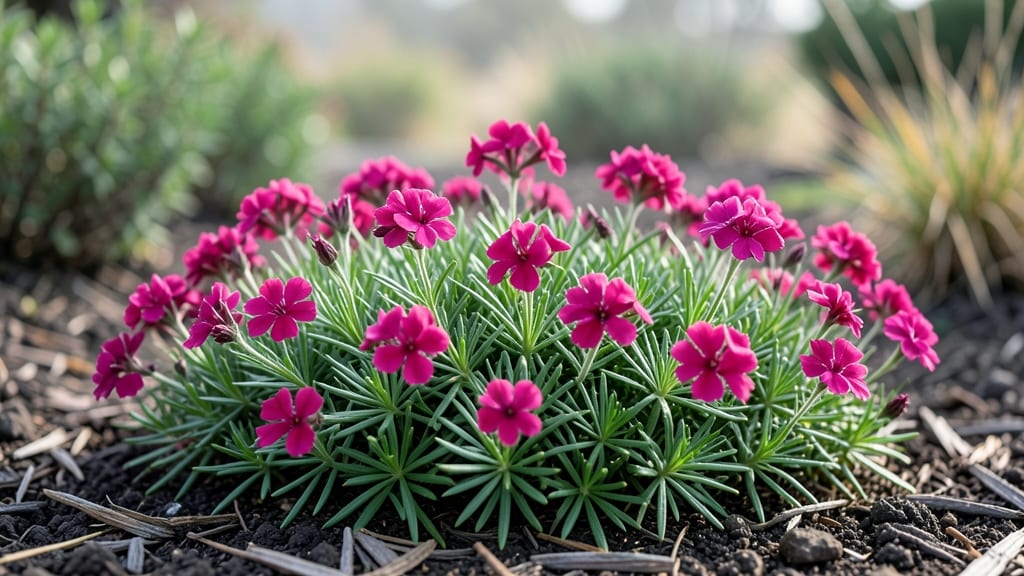
Your Phlox subulata bloom time depends on winter’s chill hours more than any other factor—this cold-loving ground cover won’t bud until it’s had its fill of frost.
If you’ve ever wondered why your Moss Phlox 🌸 blooms at seemingly random times, the answer lies in its cold-triggered growth cycle. Unlike most flowers, this hardy perennial needs winter’s chill to produce its show-stopping spring blooms, making timing everything for gardeners in USDA Zone 6 and beyond.
In most regions, Phlox subulata kicks off its spring bloom as early as late March, with peak color lasting through May. But that window shifts dramatically depending on how cold your winter was—too little chill, and you might miss the show entirely.
Below, I’ll break down the exact chill requirements, how to read your plant’s signals, and the simple tweaks that can extend those vibrant blooms by weeks—without resorting to fancy tricks.
Understanding Phlox subulata’s cold-triggered bloom stages
Phlox subulata, or moss phlox, is one of nature’s most fascinating perennials because its bloom time is controlled by a biological process called vernalization. This means your plant needs a specific amount of cold exposure—typically 4-8 weeks below 40°F (4°C)—to trigger its spring flowering. Without this chill period, buds may fail to form entirely, leaving you with a disappointing lack of color. Think of it like a winter reset button that prepares the plant for its big show.
The vernalization process begins when cell division slows in the plant’s meristem (growth points) during cold weather. These cells store energy and proteins that will later fuel rapid growth when temperatures warm.
This is why Phlox subulata often blooms earlier in colder climates—it’s not just about timing, but about the plant’s internal clock being set correctly by winter’s chill.
What sets Phlox subulata apart from other spring flowers is its ability to bloom in two distinct seasons: early spring and sometimes again in early fall. This biennial flowering pattern is a direct result of its vernalization needs.
After the first flush of spring blooms, the plant enters a summer dormancy phase, only to potentially rebloom if given another round of cooler temperatures in autumn.
Temperature fluctuations play a critical role in breaking dormancy. For example, a hard freeze followed by a rapid thaw can shock the plant into growth, while consistent cold without extremes ensures a steady progression toward flowering.
Gardeners in warmer climates (Zones 7-9) often struggle with inconsistent blooms because their winters may not provide enough chill hours, requiring artificial chilling or strategic planting in cooler microclimates.
Phlox subulata achieves this through a process called endodormancy, where the plant’s internal mechanisms prevent growth until specific conditions are met. During this stage, the plant’s buds remain dormant until the vernalization requirement is satisfied. Once the chill period is complete, ectodormancy takes over, allowing growth to resume when temperatures rise above 50°F (10°C) for several days in a row.
| Stage | Temperature Requirement | Biological Trigger | Expected Outcome |
|---|---|---|---|
| Dormancy (Winter) | 4-8 weeks below 40°F (4°C) | Vernalization (cold-induced gene activation) | Prepares buds for spring growth |
| Endodormancy Break | Consistent temps 32-50°F (0-10°C) | Hormonal shift (increase in gibberellins) | Bud swelling begins |
| Ectodormancy (Spring) | Days above 50°F (10°C) for 7+ days | Photosynthesis activation | Shoot emergence and flowering |
| Summer Dormancy | Temps above 75°F (24°C) for weeks | Heat-induced stress response | Growth pauses; foliage may yellow |
| Fall Rebloom (Optional) | Cooler nights (60°F/15°C) after summer heat | Secondary vernalization signal | Late-season blooms if conditions align |
One common misconception is that Phlox subulata blooms strictly in spring, but its fall rebloom potential is often overlooked. This second flush occurs when the plant experiences a cool snap after summer heat, effectively resetting its internal clock.
To encourage this, gardeners in Zones 5-7 can lightly prune back spent spring blooms in early summer, allowing the plant to redirect energy toward potential fall flowers.
The shoot emergence phase is where the magic happens. Once vernalization is complete, the plant’s meristems begin producing auxin hormones, which stimulate cell elongation and leaf growth. You’ll notice tiny green shoots pushing through the soil, often within 10-14 days of consistent warm weather.
This is your cue to reduce heavy mulch around the base to prevent rot and ensure oxygen reaches the roots.
Gardeners in warmer climates (Zones 8-9) often face challenges because their winters may not provide enough chill hours. In these areas, you can mimic winter conditions by storing potted Phlox subulata in a cold frame or unheated garage for 6-8 weeks at 35-40°F (2-4°C) before transplanting outdoors in early spring.
This trick ensures the plant meets its vernalization needs and blooms reliably.
Understanding these stages helps you predict bloom times and troubleshoot issues like no blooms or sparse flowers. For example, if your Phlox subulata fails to bloom in spring, it’s likely due to insufficient chill hours.
In contrast, overly aggressive pruning after the first bloom can remove next year’s flower buds, which form on old wood rather than new growth.
By aligning your care with these cold-triggered stages, you’ll unlock the full potential of this hardy ground cover, ensuring vibrant blooms year after year.
Whether you’re in a cold northern climate or a mild southern region, mastering vernalization is the key to timing your garden’s spring spectacle perfectly. 🌸
Zone-specific bloom time calendar for Phlox subulata
Phlox subulata thrives on winter’s chill, so its bloom time varies dramatically across USDA zones 3–9. In colder zones like Zone 3, expect buds to form in late April, while Zone 8 gardeners may see early buds as soon as February. Understanding these differences helps you plan for vibrant spring displays and avoid disappointment.
Early bloomers in Zones 8–9 often start flowering in February or March, while Zones 4–6 typically see buds emerge in April. Late frosts can delay blooming, especially in Zone 5, where a sudden cold snap might push flowers back by 2–3 weeks.
Always monitor your local frost dates to time your planting and care strategies.
| Zone | Bud Formation | Full Bloom | Post-Bloom Care |
|---|---|---|---|
| 3–4 | Late April | May–June | Deadhead after June |
| 5–6 | Early April | April–May | Prune faded blooms |
| 7–8 | February–March | March–April | Mulch after blooming |
| 9 | January–February | February–March | Fertilize lightly |
In Zone 3, where winters are harsh, Phlox subulata often waits until late April to form buds, while Zone 9 gardeners may see flowers as early as January.
This variation means adjusting your planting schedule and fertilizer timing—apply a balanced 10-10-10 fertilizer in early spring to encourage robust growth before buds appear.
After blooming, post-flowering care differs by zone. In Zones 3–5, deadhead spent blooms in June to prevent seed formation and redirect energy to foliage. Meanwhile, Zones 7–9 benefit from light mulching to retain moisture during hotter summers. Always water deeply in the morning to avoid fungal issues.
For gardeners in Zone 5, late frosts can be tricky. If buds appear but freeze, don’t panic—Phlox subulata often rebounds. Simply trim back damaged growth and monitor for new shoots.
In Zone 8, where blooms arrive early, consider adding a late-season variety like 'Sherwood Purple' for staggered color.
Protect your Phlox subulata from heat stress in Zones 7–9 by providing afternoon shade if temperatures exceed 90°F. Mulch with 2–3 inches of organic matter to regulate soil temperature and retain moisture. With the right care, you’ll enjoy 3–4 weeks of continuous blooms—a true spring spectacle! 🌸