
Blooming
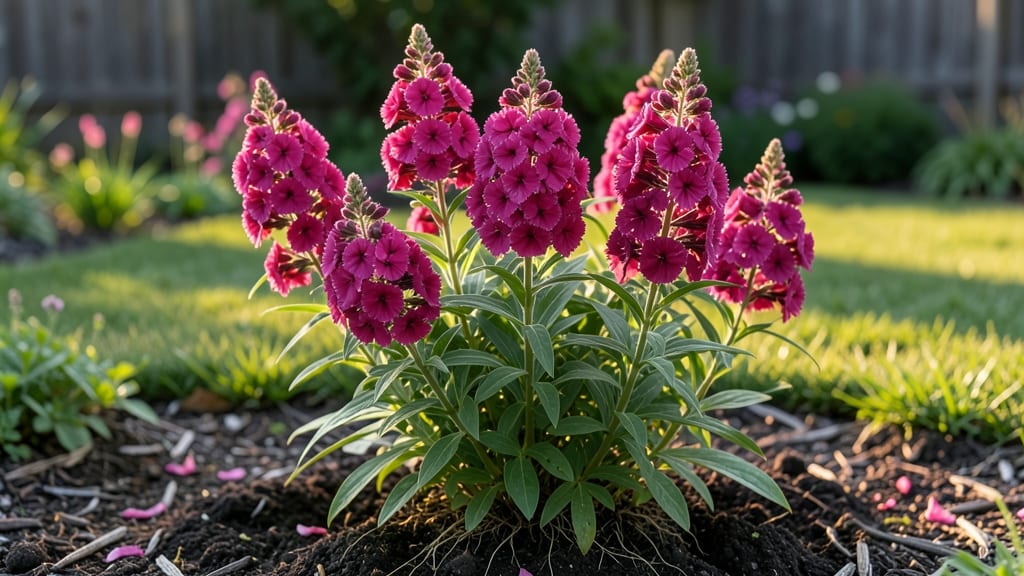
Phlox bloom time is all about timing—these cool-season beauties burst into color when most gardens are still sleeping. 🌸 I’ve watched my garden phlox put on a show from late spring through summer, while creeping phlox carpets the ground in early spring with delicate blooms.
The key? Planting them right and giving them the perfect conditions to thrive when others fade.
Garden phlox typically blooms from mid-to-late summer, while creeping phlox (or wild sweet William) starts much earlier—sometimes as soon as April or May—and can rebloom if deadheaded. Wild sweet William, a close relative, follows a similar early-spring timeline.
The trick is matching their needs: full sun in cooler months and partial shade in peak summer heat to keep them blooming longer.
With the right care—like pruning spent blooms and ensuring well-draining soil—you can stretch their bloom time by weeks. I’ve seen my phlox keep flowering into early fall when others in the garden have already called it quits.
The secret? A little extra attention to watering and soil health when temperatures climb.
Whether you’re planting for spring color or extending summer blooms, phlox delivers. They’re hardy, adaptable, and foolproof once you understand their rhythm. Let’s get them blooming on your schedule!
📚 In This Guide
- What you need
- Instructions
- Tips and common mistakes
- Wrapping up and next steps
What you need
- ● Phlox plants: 5–10 Phlox paniculata (summer phlox) or Phlox subulata (spring phlox) plants (check local nurseries for heat-tolerant varieties like ‘David’ or ‘Lipstick’).
- ○ Optional: Seeds for DIY growing (requires patience—germination takes 14–21 days).
- ● Soil: 5–10 gallons of well-draining, slightly acidic soil (pH 6.0–7.0). Mix in 2–3 parts compost per 1 part garden soil.
- ○ Optional: Perlite or sand (1 part) to improve drainage in heavy clay soils.
- ● Fertilizer: 1–2 cups of balanced, slow-release fertilizer (10-10-10 or 20-20-20) or organic options like bone meal or worm castings.
- ○ Optional: Liquid bloom booster (e.g., fish emulsion) for extra vibrancy.
- ● Gardening tools: 1 trowel or hand shovel
- ● 1 pair of pruning shears (for deadheading)
- ● 1 watering can or hose with a gentle spray nozzle
- ○ Optional: Garden gloves (to protect hands from thorns on some varieties).
- ● Location: Full sun to partial shade (4–6 hours of sunlight daily; adjust for your climate—cooler regions may need more sun).
- ● Protect from strong afternoon winds (use stakes or a windbreak if needed).
- ● Watering schedule: 1–1.5 inches of water per week (adjust for heat waves—deep watering 2–3x/week is key!).
How to time phlox blooms for season-long color
Phlox thrives when you align planting with its cool-season preferences—here's how to coax those fragrant clusters into blooming reliably.
🌱 Step 1: Plant at the Right Seasonal Window
For spring-blooming varieties, plant in early fall (6-8 weeks before your first frost) so roots establish before winter. I always aim for mid-September in Zone 5—this gives plants a head start before dormancy. Fall-planted phlox often blooms earlier and more prolifically than spring plantings.
If starting from seed, sow in late winter (8-10 weeks before last frost) under grow lights. Seedlings need 6-8 weeks indoors before transplanting, but they're frost-hardy once established. Watch for first true leaves—that's your cue to harden off gradually over 10-14 days before moving outside.
☀️ Step 2: Position for Optimal Light and Airflow
Phlox demands full sun to partial shade (6+ hours daily). In hot climates, afternoon shade prevents scorching. I plant mine where they get morning sun and afternoon dappled light—this extends bloom time by weeks. Too much midday heat wilts buds before they open.
Space plants 12-18 inches apart for airflow. Crowding invites powdery mildew, which turns leaves gray and stunts blooms. I always mulch with 2-3 inches of shredded bark to retain moisture and suppress weeds—this keeps roots cool during summer's peak.
💧 Step 3: Water Strategically for Extended Blooms
Deep water once weekly during establishment, then taper to every 10-14 days once roots are deep. Overwatering in summer causes buds to rot before opening. I check by pressing fingers 2 inches into soil—if dry, water slowly at the base until moisture reaches 6 inches down.
For peak blooms, fertilize lightly in early spring with 5-10-10 (½ tsp per plant). Too much nitrogen produces lush foliage but fewer flowers. Deadhead spent blooms weekly to encourage continuous flowering. I snip stems back to the first set of healthy leaves—this redirects energy to new buds.
✂️ Step 4: Prune for Next Season's Performance
After blooming ends, cut back stems to 4-6 inches tall. This removes diseased foliage and prevents self-seeding (which weakens subsequent blooms). I always sterilize shears with rubbing alcohol between cuts to prevent fungal spread.
In late fall, add a 2-inch layer of mulch to insulate roots. Phlox is hardy to Zone 3, but winter protection extends bloom life. I mark plant locations with stakes so I don't accidentally dig them up when dividing clumps in early spring (every 3-4 years).
⏰ Step 5: Adjust for Your Climate Zone
Southern gardeners should plant shade-tolerant varieties like 'David' phlox and water daily during heatwaves. Northern growers can extend blooms by planting late-blooming cultivars like 'Miss Lingard' and adding a light frost cloth in fall for a second flush of flowers.
Real talk: Phlox blooms fade fastest in 90°F+ heat. If your summer stretches into triple digits, choose tall garden phlox (which blooms later) or creeping phlox (which tolerates heat better). Mulch with straw in extreme climates—it reflects heat away from roots.
Tips & tricks for perfect phlox bloom timing
Timing is everything when it comes to coaxing vibrant phlox blooms—here's how to maximize your garden's potential.
Seasonal Timing Secret: The 6-8 week window before your first frost is your golden opportunity for fall planting. I've found that planting in mid-September for Zone 5 consistently delivers earlier and more abundant spring blooms. This timing allows roots to establish before winter dormancy, giving plants a head start when growth resumes in spring. For seed starting, that 8-10 week countdown before last frost is critical—don't rush it! Seedlings need those 6-8 weeks indoors to develop strong roots before transplanting.
Heat Management Strategy: When temperatures hit 90°F+, phlox blooms become heat-stressed. I've learned that morning sun with afternoon shade creates the perfect balance—this can extend bloom time by up to 3 weeks in hot climates. For extreme heat zones, consider creeping phlox varieties which naturally tolerate higher temperatures better than tall garden types. The key is avoiding that midday sun intensity which causes buds to wilt before opening.
Pruning Precision: That 4-6 inch prune after blooming might seem drastic, but it's essential for next season's performance. I always sterilize my shears between cuts to prevent fungal spread—this simple step has saved me from multiple mildew outbreaks. The pruning removes diseased foliage and redirects energy to root development rather than seed production. Marking plant locations with stakes prevents accidental digging when dividing clumps every 3-4 years, which maintains plant vigor.
Pro Tips for Phlox Bloom Time
- Timing is everything when it comes to coaxing vibrant phlox blooms—here's how to maximize your garden's potential.
- Seasonal Timing Secret: The 6-8 week window before your first frost is your golden opportunity for fall planting. I'v...
- Heat Management Strategy: When temperatures hit 90°F+, phlox blooms become heat-stressed. I've learned that morning s...
Frequently asked questions
Got questions about phlox bloom time?
You’re not alone! Whether you’re eager to plan your garden or troubleshoot late blooms, here are answers to the most common queries about these charming cool-season flowers.
When is the best time to plant phlox for optimal blooms?
Plant phlox in early spring (after the last frost) or late summer (6–8 weeks before the first frost). Spring planting gives roots time to establish before summer heat, while fall planting ensures strong growth for next year’s blooms. For perennial phlox, aim for spring—it’s the sweet spot!
Why isn’t my phlox blooming on schedule?
Late or sparse blooms often stem from overcrowding, poor soil, or too much shade. Give phlox 6+ hours of sunlight, well-draining soil, and space to thrive. Deadhead spent blooms to encourage more flowers, and fertilize lightly in spring with balanced 10-10-10 for a boost.
Can phlox bloom in hot climates, or should I avoid it?
While phlox loves cool weather, many varieties (like Phlox paniculata) tolerate heat if given afternoon shade and consistent moisture. For sweltering climates, opt for late-summer-blooming types or plant in partial shade. Mulch heavily to keep roots cool—think of it as a phlox spa day!
What’s the difference between annual and perennial phlox bloom times?
| Type | Bloom Time | Key Notes |
|---|---|---|
| Annual Phlox (e.g., Phlox drummondii) | Spring to early summer | Fast-growing, one-season wonder—perfect for borders but needs replanting yearly. |
| Perennial Phlox (e.g., Phlox paniculata) | Late spring to summer (some rebloom in fall) | Returns yearly with big, fragrant clusters—ideal for cut flowers and pollinators! |
Pro Tip: How can I extend my phlox’s bloom season?
For longer-lasting blooms, try these tricks:
- Deadhead regularly to prevent seed formation and redirect energy to new flowers.
- Water deeply during dry spells—phlox hates drought stress!
- Fertilize lightly in early spring with phosphorus-rich food (like bone meal) to fuel blooms.
- Mulch with 2–3 inches of organic matter to keep roots cool and moist.
Wrapping up and next steps
Phlox thrives as a cool-season bloomer, offering vibrant color from early spring to late summer—even when other flowers wilt in the heat! 🌸 By choosing the right variety, providing proper care, and understanding their phlox bloom time, you’ll enjoy months of stunning displays.
Whether you’re a seasoned gardener or just starting, these resilient plants are a must-have for any garden.
Ready to transform your space? Pick your favorite phlox variety, prep your soil, and watch your garden burst into life! Start planting today—your future blooms will thank you! 🌿