
Pruning
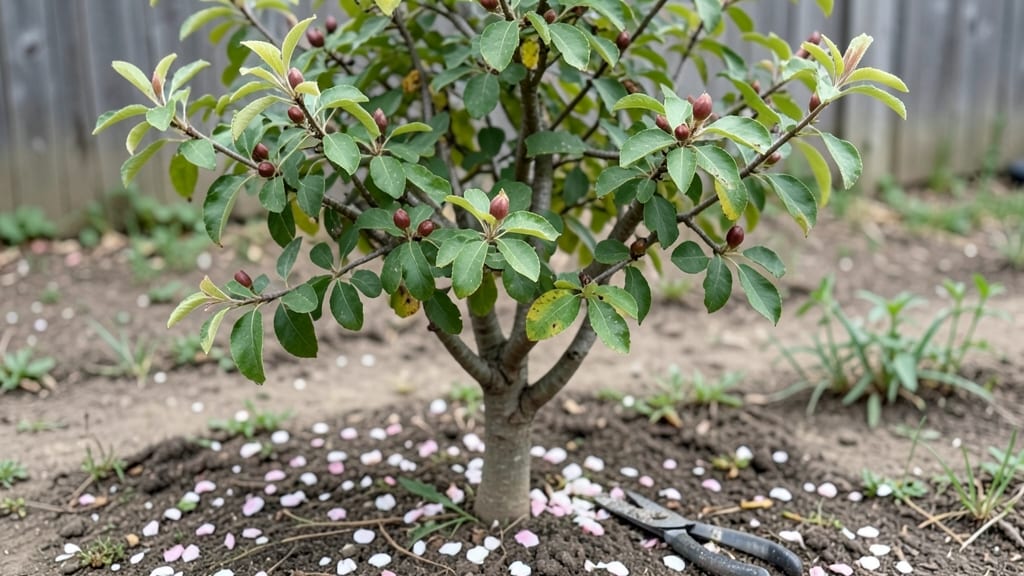
Pruning a peach tree after it blooms is possible but risky, as late-season cuts can reduce next year’s fruit production and increase disease vulnerability. Limit trimming to removing dead wood or shaping branches only if absolutely necessary, and avoid heavy pruning during summer months.
Timing matters because peach trees rely on a delicate balance between growth and fruit development. When you prune after flowering, you’re essentially asking the tree to redirect its energy—just as it’s preparing to set next year’s blossoms.
This can lead to fewer fruit buds forming, leaving your tree less productive in the long run. Plus, summer’s warmth and humidity create the perfect storm for fungal infections, so any cuts you make become potential entry points for disease. 🌿
If you must trim late in the season, focus on removing only the most problematic branches—those that are dead, diseased, or crossing. Sterilize your pruners with rubbing alcohol first to minimize infection risk, and avoid heavy cuts that could shock the tree.
Think of it as a minor tune-up rather than a full renovation. The goal is to keep the tree healthy without disrupting its natural cycle of growth and fruiting.
💡 In This Article
- How Late Pruning Affects Peach Tree Fruit Production
- Safe Late-Summer Peach Tree Trimming Techniques
How late pruning affects peach tree fruit production
Here's what's actually happening when you prune a peach tree after the blooms fall: the tree's energy reserves get thrown into chaos. Peach trees form next year's flower buds during the summer months, typically between June and August, using the sugars produced through photosynthesis.
When you make cuts after flowering, you're removing branches that could have been contributing to this critical process. Studies show that late pruning can reduce flower bud formation by up to 30-40%, which directly translates to fewer peaches the following season.
The key factor is hormonal disruption. Pruning stimulates the production of auxin, a plant hormone that promotes growth but suppresses flowering.
This creates a biological conflict: the tree wants to grow new branches (which requires energy) while also trying to prepare for winter dormancy and next year's bloom. 🌱 In warm climates where peach trees bloom early, this conflict becomes even more pronounced because the tree hasn't yet completed its summer growth cycle when late pruning occurs.
What most people don't realize is how vulnerable peach trees become to disease after late pruning. Open wounds created by cuts provide entry points for fungal pathogens like brown rot (Monilinia fructicola), which thrives in summer's warm, humid conditions.
The fungus can infect not just the pruning wounds but also the developing fruit, leading to significant crop loss. In commercial orchards, late-season pruning has been linked to 20-30% higher infection rates compared to properly timed winter pruning.
The science behind this involves the tree's vascular system. When you make a cut, the tree must seal off the wound by producing callus tissue, which requires energy and nutrients that could have gone toward fruit development.
Additionally, the tree's defense mechanisms become compromised as it diverts resources to wound healing rather than disease resistance. This is why you'll often see peach trees pruned in late summer showing signs of stress—yellowing leaves, stunted growth, or even premature leaf drop.
Consider these biological realities when deciding whether to prune late: the tree's fruit production system operates on a two-year cycle. What you do in summer affects next year's harvest, while this year's fruit is already determined by last year's pruning decisions.
This is why horticulturists recommend saving any significant pruning work for late winter or early spring, when the tree is still dormant but about to break dormancy—giving it time to heal before the critical flowering period.
There's one exception to this rule: if you're dealing with a tree that's clearly suffering from disease or pest infestation, targeted removal of affected branches may be necessary regardless of timing. In these cases, the potential loss from disease progression often outweighs the risk to next year's fruit production.
Always prioritize the health of the tree over cosmetic pruning when making late-season decisions. 💫