
Blooming
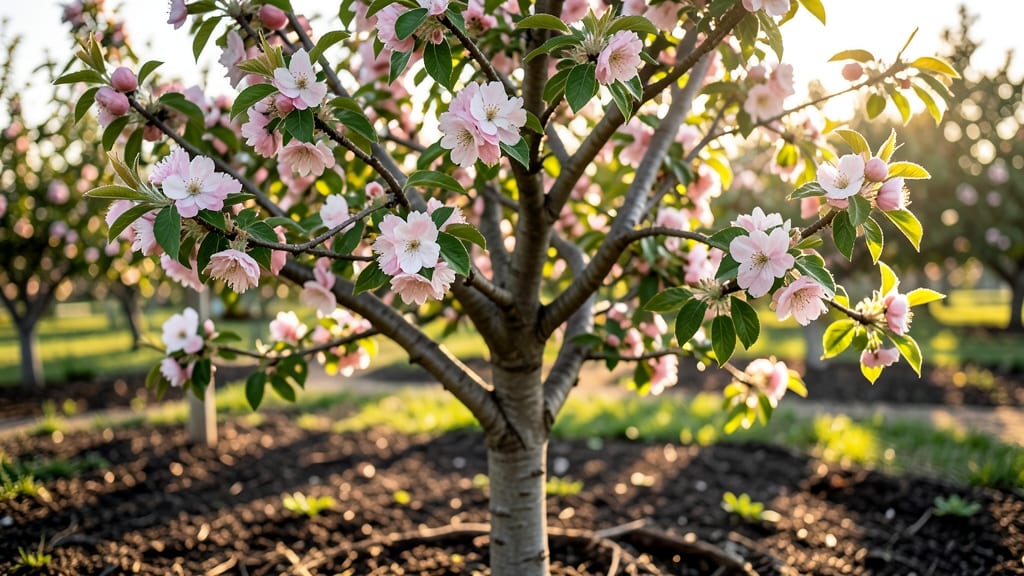
Your peach tree’s bloom time determines when you’ll see those delicious 🍑 fruits ripen, and knowing the exact window helps you plan for frost protection, pollination, and harvest prep.
Picture this: It’s late March, and your tree is bursting with pink blossoms—only for a surprise frost to wipe them out overnight. That’s the heartbreak of not knowing your variety’s bloom schedule.
Some peaches bloom early, while others wait until May, and the difference can mean the gap between a full basket of fruit and a sad, empty branch.
In USDA Zone 6a, like where I garden, most peach trees bloom between late April and early May, but the timing shifts with your variety.
Early bloomers like ‘Redhaven’ might flower in April, while latecomers like ‘Elberta’ wait until May—so if you’re dreaming of summer peaches, you’ll want to pick the right tree for your climate.
Below, I’ll break down how to predict your tree’s bloom window, protect those blossoms from frost, and even troubleshoot why your peach tree might be playing hard to bloom this year.
Peach tree bloom time by variety: when to expect flowers & fruit
Understanding your peach tree bloom time is the first step to planning for a successful harvest. Different varieties bloom at different times—some as early as late March, others as late as May—each with its own harvest window and cold requirement needs.
Whether you're growing early-season, mid-season, or late-season peaches, knowing these timelines helps you prepare for frost protection, pollination, and fruit development.
Peach trees typically need 200-1,000 chill hours (below 45°F) to trigger blooming, but varieties vary widely. Early bloomers like Redhaven or Elberta may start flowering in USDA Zone 6 by late March, while late bloomers like Contender or Reliance wait until May.
This timing directly impacts when you’ll see fruit ready for harvest—usually 90-150 days after blooming.
Here’s a breakdown of popular peach varieties by bloom time, including their harvest windows and cold requirements to help you choose the best fit for your climate:
Early bloomers like Redhaven and Elberta are ideal for cooler climates (Zones 5-8) because they require more chill hours to break dormancy. If you’re in a warmer zone (7-9), late bloomers
How USDA Hardiness zones affect peach tree bloom and harvest timing
If you've planted a peach tree, you know that timing is everything for a successful harvest. The USDA Hardiness Zone where you live directly impacts when your peach tree blooms and when you can expect fruit.
In colder zones like Zone 5 or 6, blooms often arrive in late April or May, while warmer zones like Zone 8 or 9 may see flowers as early as February or March. Understanding these differences helps you prepare for frost risks and optimize your care routine.
Peach trees need a period of chilling hours (typically 400-800 hours below 45°F) to bloom properly. In warmer zones (7-9), late-blooming varieties thrive because they avoid early spring frosts.
Meanwhile, gardeners in cooler zones (3-6) should choose early-blooming or cold-hardy varieties to align blooms with warmer weather. This balance ensures fruit set and a productive harvest.
In Zones 3-5, where late frosts are common, peach trees often bloom after the last frost date to avoid damage. I recommend planting cold-hardy varieties like 'Redhaven' or 'Loring' and using frost cloth as a precaution.
These trees usually produce fruit by mid-summer, giving you a late-July harvest. The key is to monitor local frost forecasts and adjust your care plan accordingly.
For gardeners in Zones 6-7, blooms typically arrive in April, aligning with warmer temperatures. This timing reduces frost risks but still requires vigilance. Varieties like 'Elberta' or 'Relenta' thrive here, offering harvests from late June to July.
Prune your tree in late winter to encourage strong blooms and fruit set, and avoid heavy pruning after blooming to preserve energy for fruit development.
In warmer zones (8-9), peach trees bloom as early as February, allowing for an earlier harvest in May or June. Late-blooming varieties like 'Suncrest' or 'O'Henry' are ideal here because they avoid heat stress.
Since frost is rare, focus on watering deeply during dry spells and providing afternoon shade to protect blossoms from heat damage. These zones also allow for year-round care adjustments, like mulching to retain moisture.
Regardless of your zone, planting location matters. Choose a spot with full sun exposure and well-draining soil to prevent root rot. In colder zones, plant trees near a south-facing wall to capture heat, while warmer zones benefit from partial afternoon shade.
By aligning your peach tree’s variety and care routine with your USDA Hardiness Zone, you’ll maximize blooms, minimize frost damage, and enjoy a bountiful harvest every season.