
Blooming
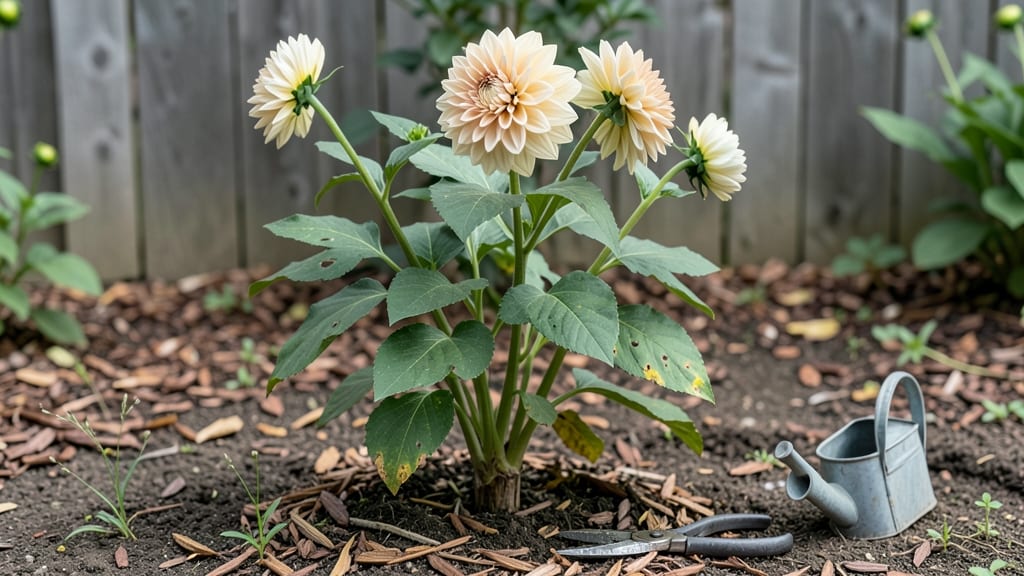
The moment you cut a stem, you’re essentially severing the plant’s lifeline—the vascular system that carries growth hormones like auxins and cytokinins. These chemicals coordinate bud development, but without them, even healthy stems can’t trigger new blooms.
Think of it like cutting off a tree’s roots: the top may survive temporarily, but it can’t grow new branches or flowers. 💫
What’s fascinating is that some plants—like bromeliads or orchids—can produce new growth after cutting, but only because they store energy in their leaves or roots. Cut flowers? Not a chance.
Even if you keep them hydrated, their energy is spent on survival, not reblooming. That’s why forcing flowers to bloom again is a myth—science says no!
💡 In This Article
- How Cutting Affects Flower Growth Mechanisms
- Reviving Cut Flowers for Longevity Without Blooming
How cutting affects flower growth mechanisms
When you cut a flower stem, you're interrupting two critical systems: the xylem (which carries water and minerals upward) and the phloem (which transports sugars and growth hormones downward).
The xylem vessels can regenerate slightly when submerged in water, but the phloem—responsible for delivering auxins (growth hormones that suppress lateral buds) and cytokinins (which promote cell division)—is permanently damaged. Without these hormones, the plant's ability to initiate new buds is lost, even if the stem remains hydrated. 🔥
The disruption is most severe at the cut surface, where air bubbles can block water uptake within 30 minutes if not properly trimmed. Auxins, produced in the shoot tips, normally travel downward to inhibit side branches, allowing the main stem to dominate growth.
When severed, this hormonal balance collapses, but the remaining stem lacks the energy reserves to restart bud formation. Even if lateral buds exist, they won't develop into flowers because they lack the continuous hormone signal from the root system.
Compare this to root-bound houseplants like pothos or snake plants, which can regrow from cuttings because their roots store starches and produce new growth hormones. These plants have meristematic tissue (growth zones) at the stem base that can regenerate, whereas cut flowers lack this capacity.
The key difference is energy storage—roots act as batteries, while flower stems are purely transport systems with no reserves. 💛
What's fascinating is how quickly this process happens. Within 24 hours of cutting, most flowers show signs of metabolic slowdown as their energy shifts from growth to survival. The ethylene gas released during wilting further accelerates this decline, making reblooming impossible.
Even if you provide perfect vase conditions, the genetic programming of most cut flowers is hardwired to complete their current bloom cycle—not produce new ones.
Consider the rose bush example: when you cut a rose stem, the plant may produce new shoots from the base, but these require the root system to supply continuous nutrients and hormones.
The cut stem itself can't initiate new blooms because it lacks the apical dominance control mechanism that flowers need. This is why gardeners prune roses in early spring—they're encouraging new growth from the roots, not from cut stems. ✨
Here's what most people miss: even if a cut flower's buds look healthy, they're in a state of suspended animation. Without the root system's hormonal support, those buds can't develop into full blooms. The plant's energy is now focused solely on maintaining what's already there, not creating new flowers.
This biological limitation explains why forcing flowers to rebloom is a myth—it's like expecting a severed branch to grow new leaves without roots. 🌟