
Flowers
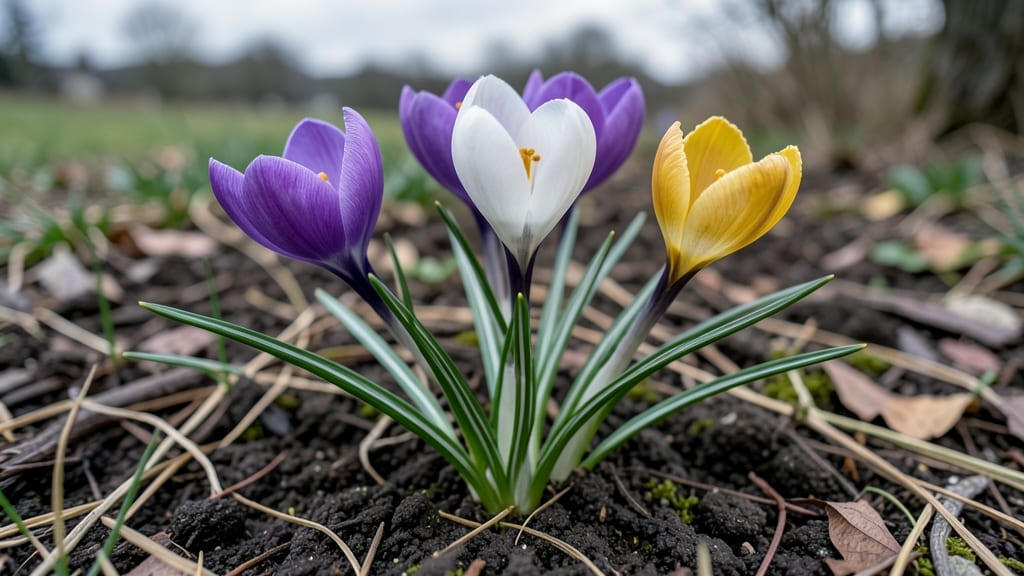
The crocus flower bloom time arrives in early spring, bringing vibrant color to gardens as soon as the frost thaws 🌼.
Watch your garden burst into life as crocuses push through frozen soil—these hardy blooms are nature’s first sign of spring. But timing their appearance perfectly requires knowing their bloom windows and how to coax them into flowering earlier.
In USDA Zone 6a, where many gardeners plant crocuses in September or October, blooms typically appear between March and April. However, factors like variety, sunlight, and soil conditions can shift that window by weeks.
Below, I’ll break down how to predict bloom time for your region, which crocus types flower earliest, and the simple tricks to trigger those cheerful blooms just a little sooner.
Crocus bloom time by species: when & how long they last
Crocuses are the unsung heroes of early spring gardens, bursting through snow with vibrant colors that defy winter’s chill. But not all crocuses bloom at the same time—some arrive as early as late winter, while others linger into early April.
Understanding these timing differences helps you create a sequential bloom display that keeps your garden lively from February through April.
Your USDA zone plays a critical role in bloom timing. In zones 3-5, early bloomers like Crocus vernus may appear as soon as February, while in zones 6-9, their arrival might be delayed until March.
Even within the same region, microclimates can shift bloom windows by weeks. For example, a south-facing slope might trigger blooms 10-14 days earlier than a north-facing yard.
Bloom duration varies too—some varieties like Crocus chrysanthus produce flowers that last just 7-10 days, while others like Crocus tommasinianus can extend their show to 2-3 weeks if conditions are ideal. The key to prolonging their display lies in soil moisture, sunlight exposure, and post-bloom care.
| Species | Bloom Window (USDA Zones 3-5) | Bloom Window (USDA Zones 6-9) | Bloom Duration | Color Palette | Key Notes |
|---|---|---|---|---|---|
| Crocus vernus (Dutch Crocus) | Late February - Early March | Early March - Mid-March | 10-14 days | Purple, yellow, white | First to bloom; thrives in full sun. |
| Crocus tommasinianus (Tommy Crocus) | Mid-March - Late March | Late March - Early April | 14-21 days | Purple, white, striped | Longest-lasting; prefers partial shade. |
| Crocus chrysanthus (Snow Crocus) | January - February | February - March | 7-10 days | White, yellow, lilac | Cold-hardy; blooms under snow. |
| Crocus speciosus (Showy Crocus) | March - Early April | April | 10-14 days | Deep purple, white | Largest flowers; needs well-drained soil. |
| Crocus laevigatus (Bulbocodium) | February - March | March - April | 7-10 days | Yellow | Unique cup-shaped blooms; drought-tolerant. |
If you’re in USDA zone 3, prioritize Crocus chrysanthus and Crocus vernus for the earliest color. These varieties often bloom 2-3 weeks before their counterparts in warmer zones.
In zone 9, where winters are mild, you might see Crocus tommasinianus bloom as early as January if planted in a cool microclimate like a shaded woodland edge.
To extend your crocus season, plant a mix of early, mid, and late bloomers in the same area. For example, combine Crocus chrysanthus (January-February) with Crocus vernus (February-March) and Crocus speciosus (March-April).
This layered approach ensures continuous color from winter’s end to early spring, even if individual blooms last only a week or two.
After crocuses finish blooming, resist the urge to remove the foliage immediately. Let it yellow naturally and wither—this process allows the corms to photosynthesize and store energy for next year’s blooms. Cutting back too soon weakens the corm, which can delay or prevent flowering in subsequent years.
Aim to trim foliage only after it turns brown and crispy, usually by late May or June.
For gardeners in warmer climates (zones 8-9), crocuses may experience summer dormancy if temperatures rise above 80°F. To prevent this, provide afternoon shade during peak summer months and keep the soil lightly moist but never soggy. Mulching with straw or shred
How to trigger early Crocus blooms: proven techniques for faster flowering
Crocuses are nature’s earliest garden stars, but their bloom time can be pushed even earlier with the right techniques. The key lies in mimicking their natural dormancy cycle and optimizing growing conditions.
By understanding how to trigger early blooms, you can enjoy vibrant purple, white, or yellow flowers weeks before they typically appear in your region.
Most gardeners focus on fall planting and winter chill, but subtle adjustments—like soil preparation or light exposure—can make a dramatic difference. Even forcing crocuses indoors for a holiday display is possible with a few simple steps. Let’s dive into the proven methods that actually work.
Step-by-Step Guide to Early Crocus Blooms
-
Step 1: Cold Stratification
Place corms in a paper bag with moist peat moss and refrigerate for 8-12 weeks at 35-45°F to simulate winter. -
Step 2: Plant in Well-Draining Soil
Use a mix of sandy loam and compost to ensure good drainage. Avoid clay-heavy soil. -
Step 3: Optimize Sunlight
Choose a south-facing spot with 6+ hours of sun. Partial shade can delay blooming. -
Step 4: Water Sparingly
Water deeply but infrequently—once every 10-14 days—to prevent rot. -
Step 5: Force Indoors (Optional)
Plant corms in pots with well-draining soil, chill for 10-12 weeks, then move to a bright window.
For outdoor gardens, focus on soil amendments like bone meal (for phosphorus) to encourage root growth before dormancy. This ensures your crocuses have the energy to bloom early. In USDA zones 3-5, where winters are harsh, mulching with straw helps protect corms while allowing cold exposure.
If you’re forcing crocuses indoors, timing is critical. Start the cold stratification process in early October for Christmas blooms or late November for Valentine’s Day displays. Use a grow light if natural light is insufficient—crocuses need 12-14 hours of light daily to flower.
After blooms fade, remove spent flowers but leave foliage until it yellows. This ensures the corm stores energy for next year’s earlier blooms. Avoid fertilizing post-bloom, as it can encourage leaf growth at the expense of flower buds.
With these techniques, you’ll see crocus blooms 2-3 weeks earlier than average. The secret? Patience and precision—just like nature intended. 🌼