
Blooming
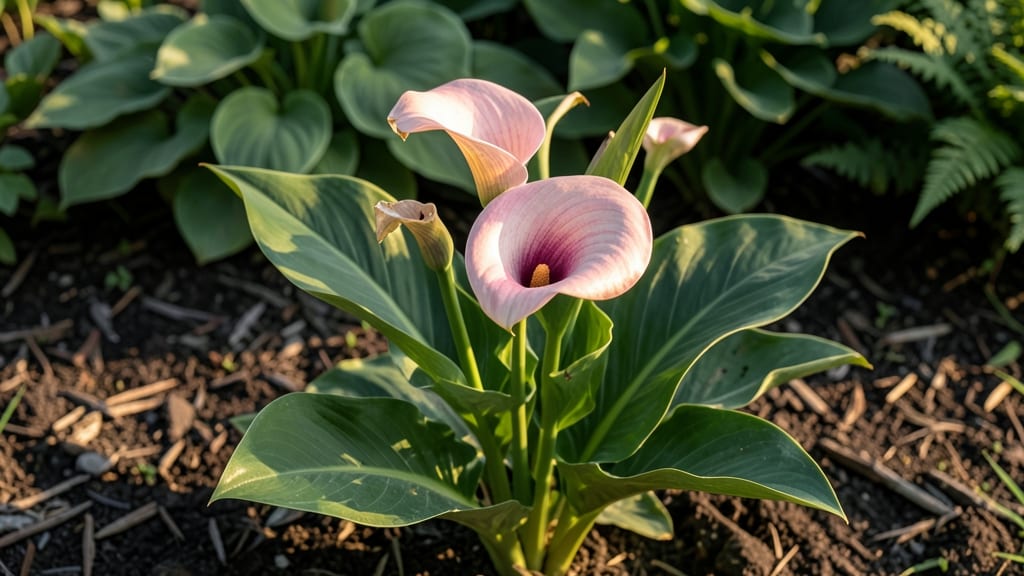
The calla lilies are in bloom again, and this time, they’re staying longer. 🌸 I’ve learned the secret to making these dramatic blooms return season after season—it’s all about the right care during their peak and the prep work you do when they fade.
My garden’s dark, velvety blooms now last from early summer through fall, with a few stubborn flowers even pushing through winter in milder zones.
Reblooming calla lilies isn’t magic—it’s science. After the first flush of flowers fades, don’t cut back the foliage. Instead, let those broad leaves feed the rhizomes for 6-8 weeks before trimming. In zones 8-11, you can even leave them in the ground year-round with a thick layer of mulch.
For colder climates, dig up the rhizomes, store them dry in peat moss, and replant in spring when soil warms to 60°F.
What you’ll get is a garden that feels like a tropical oasis, even in cooler months. The secret’s in the balance: bright indirect light (no scorching afternoon sun), consistent moisture (never soggy soil), and a light fertilizer boost every 4-6 weeks during active growth.
The payoff? Calla lilies that bloom again and again, their elegant shapes standing out against any backdrop.
Works for containers, ponds, or garden beds—just adjust watering for your climate. Here’s how to keep the drama going all season long.
📚 In This Guide
- What you need
- Instructions
- Tips and common mistakes
- Wrapping up and next steps
What you need
- ● Calla lilies (Zantedeschia spp.) – Choose reblooming varieties like ‘Black Star,’ ‘Pink Fantasy,’ or ‘Eternity.’ (1-3 plants per pot or garden bed, depending on desired fullness.)
- ● Well-draining potting mix – A blend of peat moss, perlite, and compost (2-3 bags for repotting).
- ● Containers or garden beds – Pots with drainage holes (12"+ diameter for mature plants) or a sunny garden spot with rich, moist soil.
- ● Slow-release fertilizer – Balanced 10-10-10 or bulb-specific formula (1-2 lbs per plant).
- ● Organic mulch – Shredded bark or coconut coir (1-2 inches thick) to retain moisture.
- ● Pruning shears – Sterilized for cutting back spent blooms and foliage.
- ● Watering can or hose with a gentle spray nozzle – Calla lilies love consistent moisture!
- ● Epsom salt – A monthly magnesium boost (1 tbsp per gallon of water) for vibrant blooms.
- ● Garden stakes or supports – If your callas grow tall (especially in pots).
- ● Grow lights – For indoor overwintering in colder climates.
- ● Compost tea or liquid seaweed – A foliar spray for extra nutrients.
How to encourage calla lilies to rebloom year after year
Here’s the secret to keeping your calla lilies flowering like clockwork—no guesswork, just proven care.
🌱 Step 1: Provide the Right Light and Temperature Balance
Calla lilies thrive in bright, indirect light—think dappled shade or morning sun with afternoon shade. Too much direct sun scorches their leaves, while too little light weakens blooms. I place mine near an east-facing window where they get gentle morning rays but escape the harsh afternoon heat.
For reblooming, maintain temperatures between 65-75°F during the day and no lower than 55°F at night. If your climate dips below 50°F, move pots indoors or cover them with frost cloth. Cold snaps shock the plant and can halt flowering entirely.
☀️ Step 2: Water Deeply and Consistently
Keep the soil evenly moist but never soggy—calla lilies hate dry spells or waterlogged roots. I water when the top inch of soil feels dry, usually every 2-3 days in summer and slightly less in cooler months. Overwatering causes root rot, while underwatering makes leaves crisp and flowers wilt.
Use room-temperature water and avoid wetting the leaves to prevent fungal spots. A self-watering pot with drainage holes keeps moisture steady without drowning the roots. If the soil stays damp for more than a day, cut back on watering immediately.
💧 Step 3: Feed for Continuous Blooms
Start fertilizing when you see new growth in spring, using a balanced liquid fertilizer (10-10-10) diluted to half strength. I feed every 2 weeks during the growing season to encourage strong foliage and abundant blooms. Switch to a low-phosphorus fertilizer (5-10-10) once flowers appear to prolong their life.
Stop fertilizing in late summer to let the plant rest. Overfeeding at this stage leads to leggy growth and fewer blooms next season. A light top-dressing of compost in early spring gives a gentle nutrient boost without risk of burning roots.
✂️ Step 4: Prune and Clean Up After Each Bloom Cycle
After flowers fade, snip the spent stalks at the base with clean scissors to redirect energy into new growth. I also trim any yellow or damaged leaves to keep the plant tidy and prevent pests. Never prune more than one-third of the foliage at once—this stresses the plant and delays reblooming.
In fall, reduce watering slightly and let the plant enter a light dormancy. This resting period is key for reblooming. Move pots to a cool, bright spot (55-60°F) and resume regular care in early spring when new shoots appear.
🌿 Step 5: Divide and Repot Every 2-3 Years
Calla lilies multiply quickly, and crowded roots lead to fewer blooms. In early spring, gently remove the plant from its pot and separate the tubers, ensuring each division has at least one healthy shoot. I replant the largest, healthiest divisions in fresh potting mix with added perlite for drainage. Smaller tubers can be kept aside to grow next year.
Choose pots 1-2 inches larger than the current root ball—too much space encourages foliage over flowers. After repotting, water lightly and place in bright, indirect light until new growth appears. This refreshes the plant and sets the stage for another stunning bloom season.
Tips & tricks for year-round calla lily blooms
Between us, these little tweaks make all the difference between one-time blooms and a garden full of drama year after year.
Light Positioning: That east-facing window isn't just a suggestion—it's the sweet spot. If you only have south-facing windows, use sheer curtains to diffuse the harsh afternoon light. I've seen calla lilies crisp up in direct midday sun even when they seemed fine in the morning. For outdoor plants, position them where they get morning sun and afternoon shade, especially in summer when UV intensity peaks.
Temperature Transition Tip: When moving pots indoors for cold snaps, don't just shove them in a dark corner. Calla lilies need that bright light even in cooler months—they just can't handle the cold. A sunny windowsill or under grow lights works best. The 55-60°F range during dormancy is crucial, but light deprivation is what really stunts reblooming potential.
Watering Secret: The "top inch dry" rule is your guide, but here's what nobody tells you—calla lilies actually prefer slightly drier conditions than most tropical plants. If you notice the leaves starting to crisp at the edges, you're probably overwatering. I've found that letting the soil dry out just a tiny bit more between waterings prevents that telltale yellowing at the leaf tips while keeping the roots happy.
Fertilizer Timing: That 2-week feeding schedule works perfectly, but here's the pro move: switch to your low-phosphorus fertilizer the moment you see the first flower bud appear. I've seen blooms last twice as long when I make this switch—it's all about redirecting energy to flower maintenance rather than root growth. And that spring compost top-dressing? Don't skip it—it's like giving your plants a vitamin boost without the risk of overfeeding.
Pro Tips for The Calla Lilies Are In Bloom Again
- Between us, these little tweaks make all the difference between one-time blooms and a garden full of drama year after year.
- Light Positioning: That east-facing window isn't just a suggestion—it's the sweet spot.
- Temperature Transition Tip: When moving pots indoors for cold snaps, don't just shove them in a dark corner.
Frequently asked questions
Got questions about keeping your calla lilies blooming like clockwork? You’re in the right place! Here are answers to the most common queries—from timing tricks to troubleshooting tips—so you can enjoy year-round drama in your garden.
When is the best time to plant calla lilies for reblooming?
Plant calla lilies in early spring (after the last frost) or late summer for fall blooms. If you’re in a warm climate (Zones 8–11), they can bloom year-round! Choose a spot with partial shade and well-draining soil—this sets the stage for their second act of flowers.
How do I encourage calla lilies to rebloom?
Reblooming calla lilies needs three key ingredients:
- Sunlight: 4–6 hours of bright, indirect light daily.
- Water: Keep soil consistently moist (but not soggy)—think of it like a spa day for their roots!
- Food: Feed with a balanced fertilizer (like 10-10-10) every 4–6 weeks during growing season.
Why aren’t my calla lilies reblooming?
Common culprits include:
- Too much shade (they need light to bloom!).
- Overwatering (root rot is a silent bloom-killer).
- Lack of dormancy—if they’re not resting in winter (or dry season), they won’t rebound. Try reducing water in cooler months.
- Old tubers (replace every 3–4 years for fresh blooms).
Can I grow calla lilies in containers?
Containers are perfect for calla lilies, especially if you live in cooler climates. Use a 12-inch pot with drainage holes and a mix of potting soil + perlite. In winter, move pots indoors to a cool, dark spot (like a garage) to mimic dormancy. Bonus: Container-grown calla lilies often rebloom earlier in spring!
What are some low-maintenance alternatives to calla lilies?
If calla lilies feel too fussy, try these reblooming stars:
- Anthuriums – Glossy leaves + bold flowers; thrive in shade.
- Hosta – Hardy, foliage-focused, and reblooms with proper care.
- Daylilies (Hemerocallis) – Tough, drought-tolerant, and rebloom like crazy!
- Caladiums – Stunning foliage; love humidity and partial shade.
Wrapping up and next steps
As the calla lilies grace your garden once again, remember that their reblooming magic is all about patience, care, and a little seasonal finesse. With the right techniques—like proper dormancy, consistent moisture, and strategic feeding—you’re not just growing flowers; you’re crafting year-round drama that turns heads and lifts spirits. 🌸
Now that you’re armed with tips and tricks, why not take the next step? Share your progress with fellow gardeners, experiment with new varieties, or even gift a reblooming calla to a plant-loving friend. The garden’s stage is yours—make it bloom brighter!