
Blooming
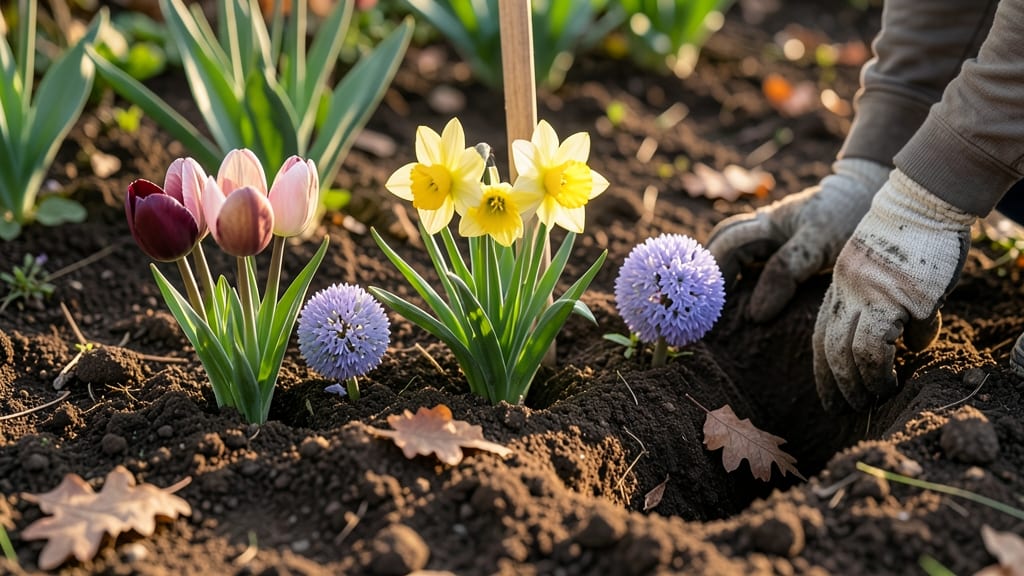
Spring isn’t just one season—it’s a year-round opportunity to transform your garden into a vibrant, ever-blooming paradise. These 10 seasonal planting hacks will help you extend color, maximize growth, and create a low-maintenance landscape that thrives with minimal effort.
Layered Succession Planting for Continuous Blooms
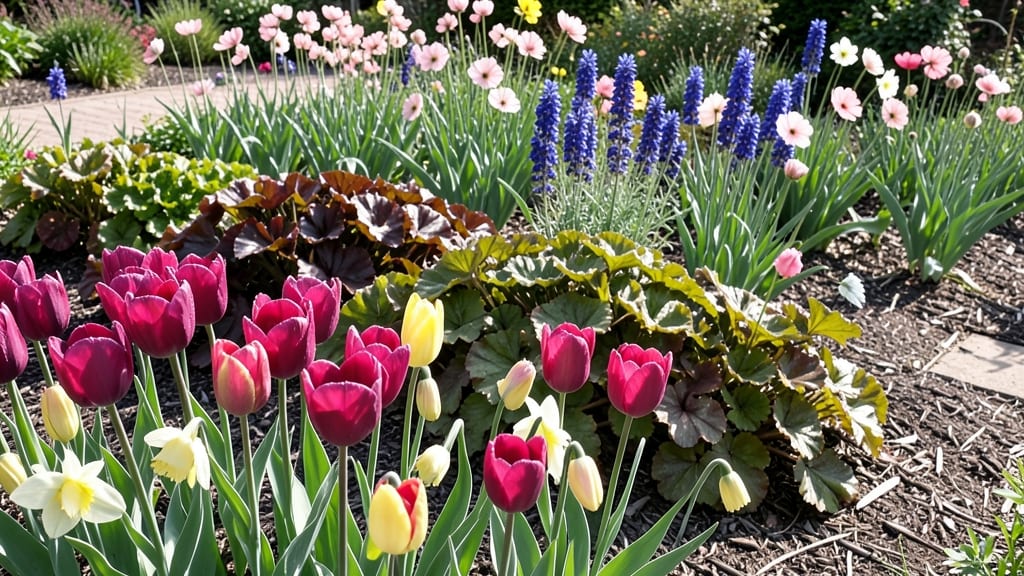
Tired of seasonal gaps where your garden looks bare between blooms? Layered succession planting ensures your flower beds stay vibrant from spring until frost by staggering plantings so one variety blooms just as another fades.
Start with early bloomers like tulips or daffodils in spring, followed by mid-season favorites such as snapdragons or marigolds 4-6 weeks later, and finish with late-season bloomers like cosmos or asters. This simple technique creates a seamless transition, eliminating those "dead zones" between seasons while requiring no extra space or effort.
Perfect for beginners or busy gardeners, this method transforms your landscape into a year-round showpiece with minimal planning. 🌻
Cold-Hardy Perennials for Early Spring Color
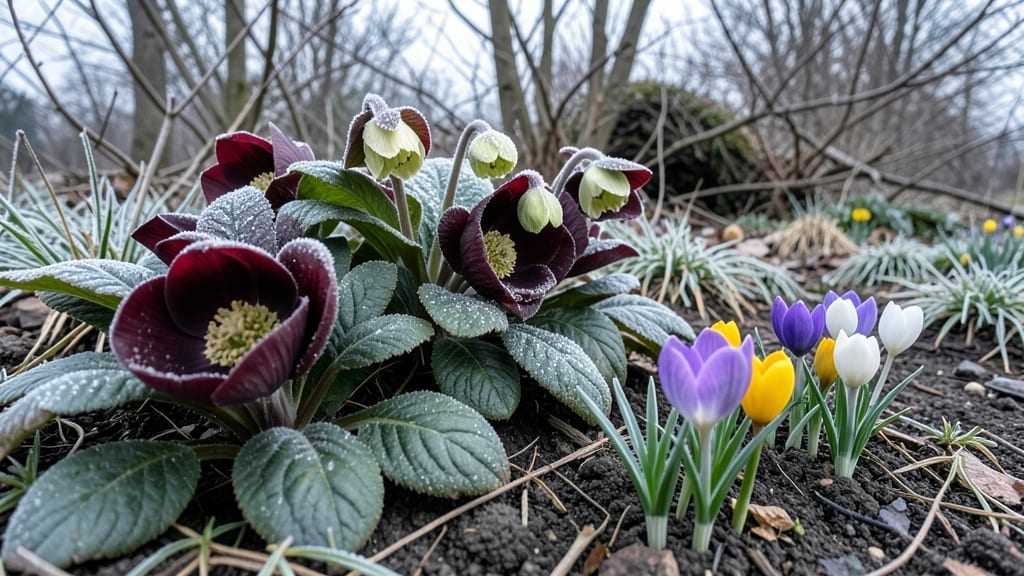
Tired of waiting for spring to bring color to your garden? Cold-hardy perennials like hellebores and crocuses break through snow as early as February, turning bare beds into vibrant focal points without any extra effort from you.
These resilient plants thrive in USDA Zones 3-9, tolerating winter temperatures down to -40°F while storing energy underground. Plant them in well-draining soil with partial shade to protect blooms from harsh winds, and water lightly after planting. Hellebores offer nodding flowers in shades of white, pink, and purple, while crocuses deliver cheerful yellow or purple blooms that attract early pollinators.
Perfect for busy gardeners or those in colder climates, these perennials reduce winter dormancy stress by blooming early, giving you instant curb appeal with zero maintenance. 🌷
Edible Flower Gardens for Year-Round Harvests
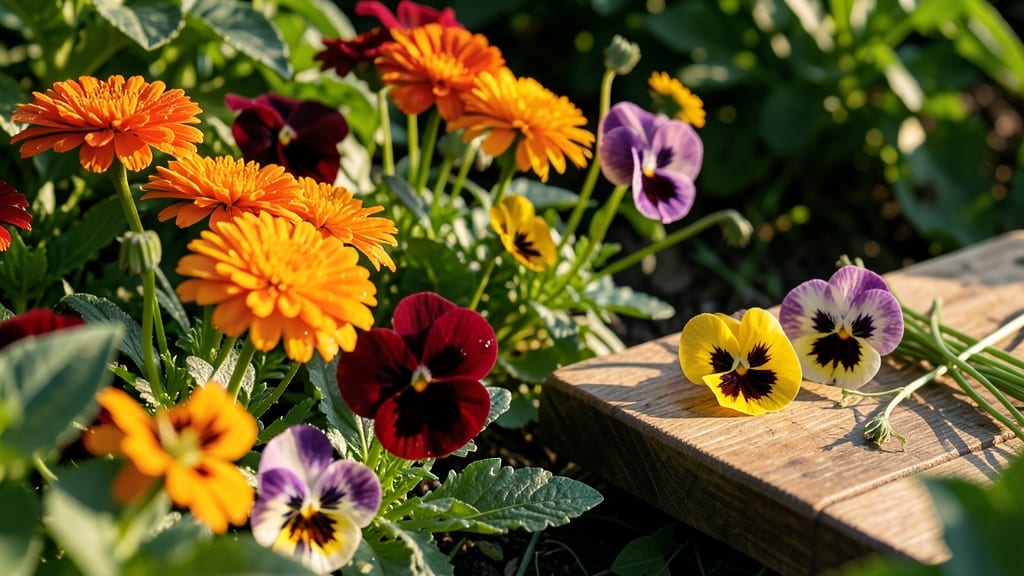
Why settle for ordinary flowers when your garden can double as a culinary masterpiece? Edible flowers like calendula, nasturtiums, and pansies bridge the gap between beauty and harvest, offering vibrant blooms you can snack on straight from the garden.
Start with calendula for its peppery, citrusy petals (perfect for salads or teas) and nasturtiums, which add a tangy crunch. Pansies bring mild sweetness and come in frost-resistant varieties for year-round harvests. Plant them in well-draining soil with 4-6 hours of sun daily, and deadhead spent blooms to encourage continuous flowering. These flowers thrive in containers or beds, making them ideal for urban gardeners or small spaces.
This hack is perfect for herb gardeners looking to expand their edible repertoire or beginner gardeners who want low-maintenance, high-reward plants. Plus, kids love picking flowers they can eat! 🌻
Shade-Tolerant Plants for Low-Light Areas
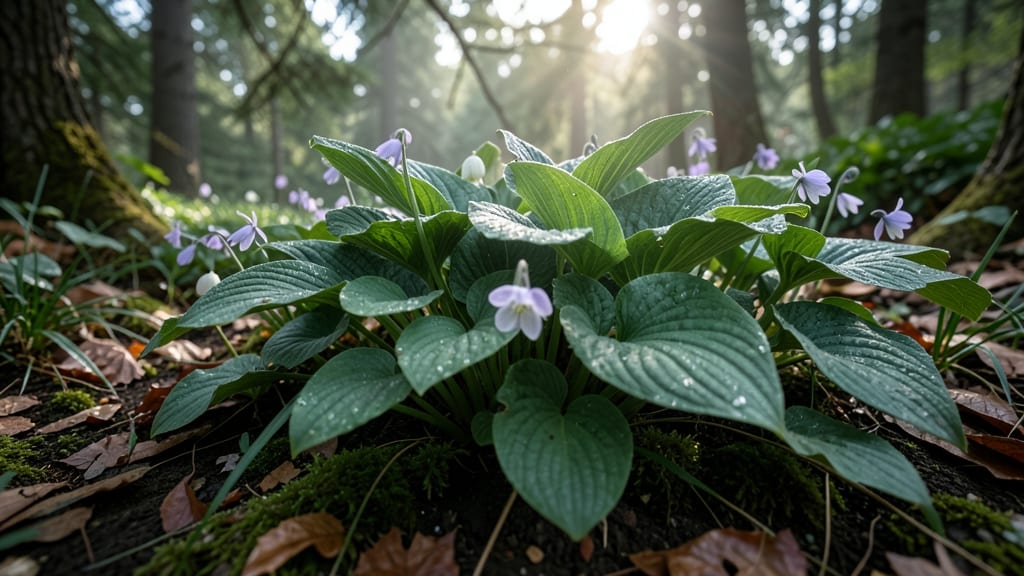
Forget the sun-drenched spots—your garden’s shady nooks deserve just as much attention! With the right shade-tolerant plants, you can turn dim corners into lush, vibrant spaces that bloom into spring and beyond.
Start with hostas for their bold, textured foliage that thrives in low to partial shade, while ferns like maidenhair or ostrich add delicate fronds that dance in dappled light. For a pop of color, impatiens and heucheras (coral bells) offer bright blooms or striking foliage without demanding full sun. These plants require well-draining soil and consistent moisture, making them perfect for urban gardens, wooded areas, or north-facing beds.
Perfect for beginners or busy gardeners, these shade lovers demand less fuss but deliver maximum impact—keeping your garden thriving even where sunlight is scarce. 🌿
Container Gardening with Seasonal Swaps
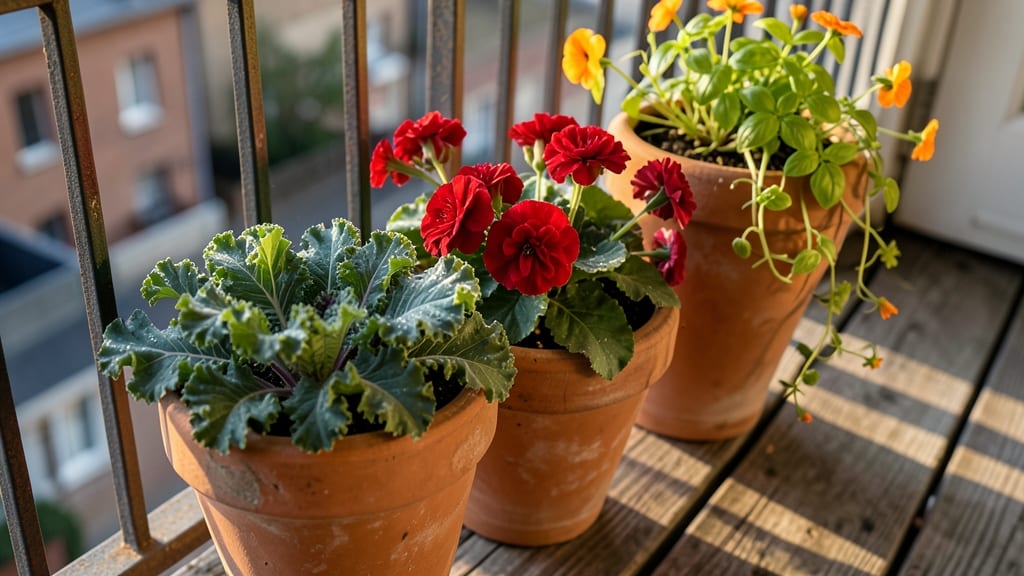
Small spaces and limited sunlight shouldn’t limit your gardening dreams—seasonal container swaps turn even a tiny balcony into a year-round oasis. By rotating plants like cool-season kale in spring and heat-loving geraniums in summer, you create a dynamic display that adapts to the weather while maximizing every square inch.
Start with 3-5 large containers (12+ inches deep) to accommodate root growth. In spring, fill pots with leafy greens like kale or lettuce, then swap them out in late May for sun-loving annuals such as geraniums or basil. Use lightweight pots with casters for easy movement, and group containers by sunlight needs—some may need 6 hours of sun in summer but only 4 hours in spring.
This method is perfect for urban gardeners, renters, or anyone with limited space. With just a few swaps, you’ll enjoy fresh herbs, vibrant blooms, and a garden that evolves with the seasons—no wasted effort or space. 🌻
Drought-Resistant Ground Covers for Easy Maintenance
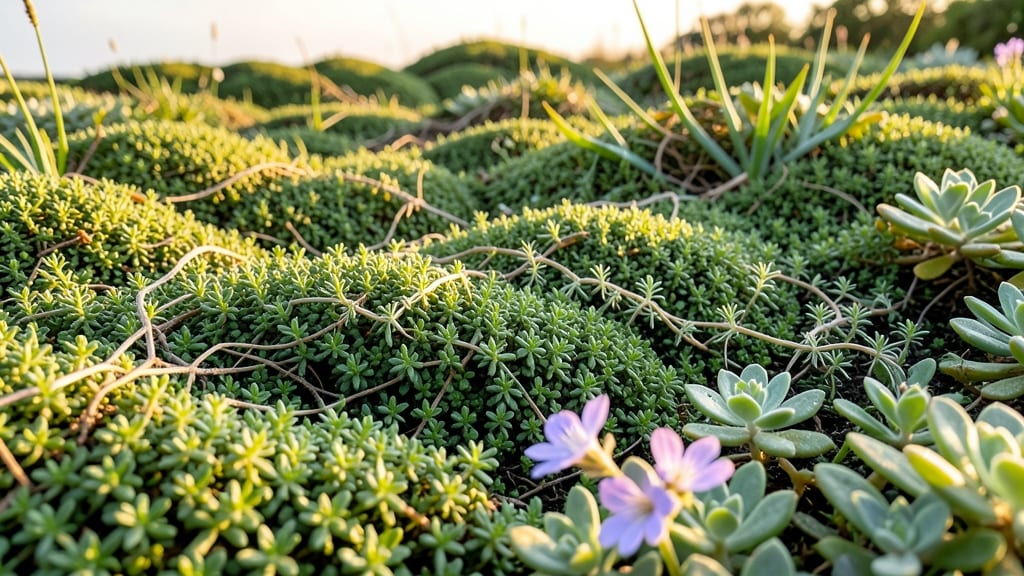
Tired of mowing, watering, and still ending up with patchy grass? Drought-resistant ground covers like creeping thyme and sedum offer a lush, low-maintenance alternative that thrives on neglect—perfect for spring gardens that need to bloom into summer with zero fuss.
These hardy plants form dense, weed-blocking carpets that require half the water of traditional lawns while adding fragrance (thyme) or striking foliage (sedum). Plant them in spring for instant coverage, and they’ll spread quickly in full sun to partial shade, handling heat and drought like pros. Bonus: Their spring blooms attract pollinators while keeping your garden vibrant.
Busy gardeners and water-conscious regions will love this zero-effort upgrade—just plant, admire, and enjoy a garden that stays green without the upkeep. 🌿
Vertical Gardening with Trellis Climbers
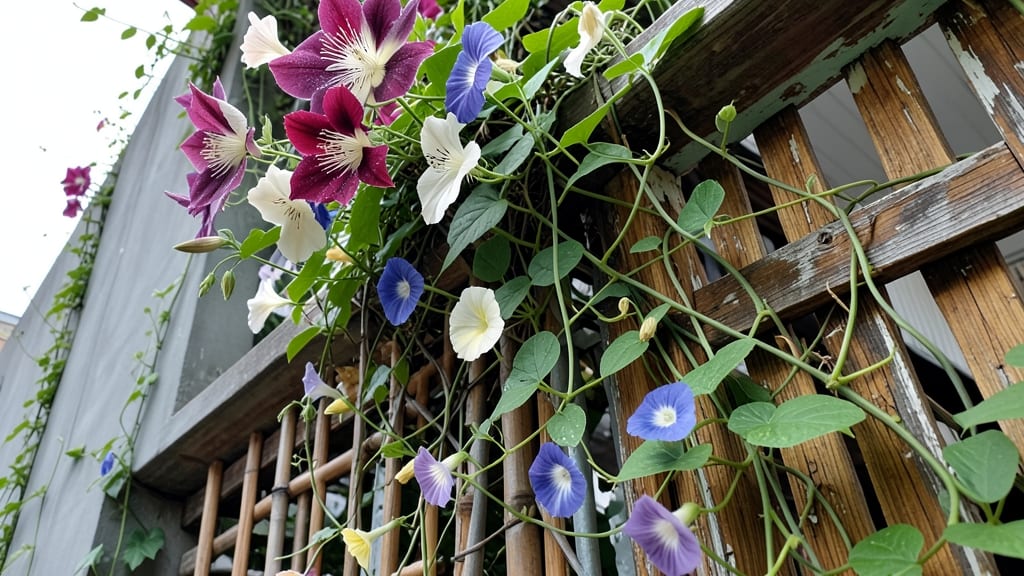
Small spaces needn’t mean small gardens—trellis climbers turn walls, fences, and even balconies into lush vertical gardens. Plants like clematis and morning glories don’t just save space; they extend your bloom season upward, creating a dramatic living tapestry that catches sunlight and eyes alike.
Start by choosing a sturdy trellis or obelisk—metal or wooden options work best for weight. Plant morning glories for fast-growing, summer-long blooms or clematis for late-spring to fall color. Train vines with soft ties or spiral supports, and fertilize monthly for vigorous growth. Ivy lovers can opt for English ivy, which thrives in shade and adds year-round texture.
This hack is perfect for urban gardeners, small yards, or anyone craving instant vertical drama. A well-placed trellis transforms bare walls into a seasonal canvas of color and life. 🌻
Soil-Boosting Mulches for Extended Blooms
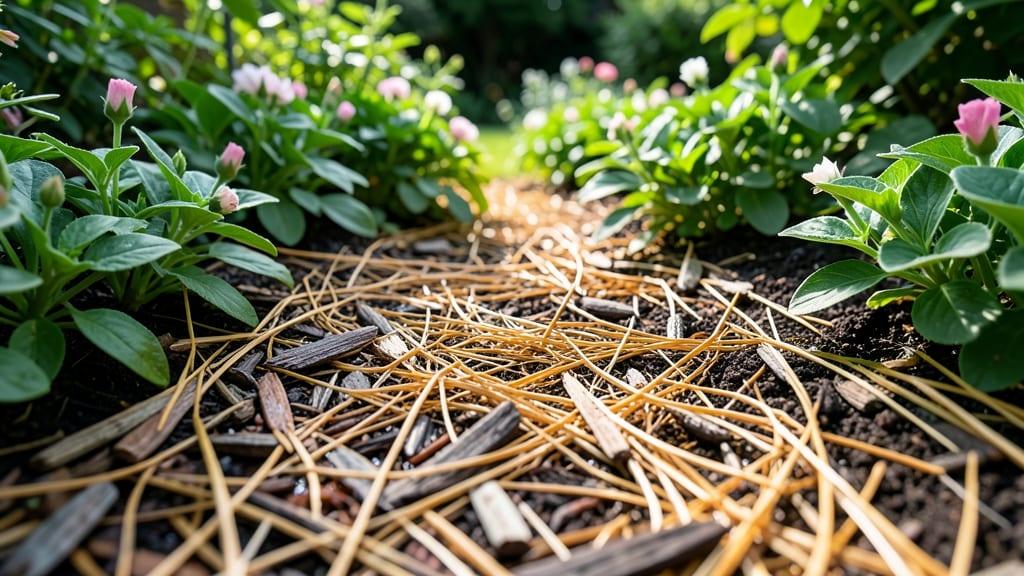
Ever wonder why some gardens stay vibrant and blooming while others fade mid-season? The secret often lies beneath the surface—literally. A 3-4 inch layer of organic mulch (like straw or wood chips) acts like a protective blanket, locking in moisture and keeping roots cool during hot spells.
This simple step reduces watering by up to 30% while suppressing weeds that compete for nutrients. For spring-blooming perennials like peonies or daylilies, mulch also protects tender roots from temperature swings. Plus, as it breaks down, it enriches the soil naturally—no extra work required.
Perfect for busy gardeners or those in drought-prone areas, mulching turns your garden into a low-maintenance oasis. 🌻
Pollinator-Friendly Plants for Year-Round Visitors
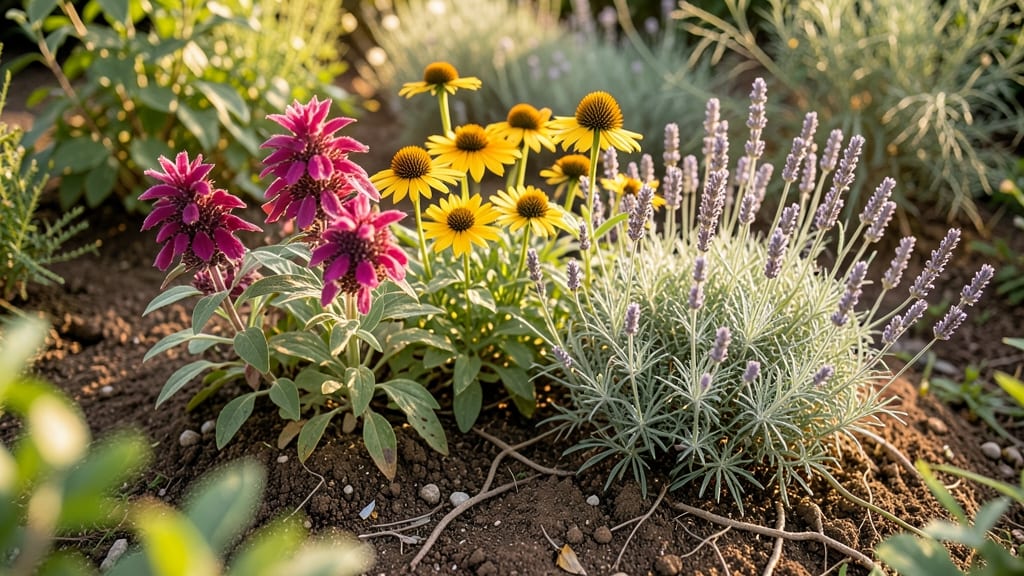
Want a garden that buzzes with life all year long? Pollinator-friendly plants like bee balm, coneflowers, and lavender don’t just attract bees and butterflies—they create a thriving ecosystem that keeps your garden vibrant from spring through fall. These plants are tough, low-maintenance, and packed with nectar, making them a must-have for any eco-conscious gardener.
Start with bee balm for its bold pink blooms and long bloom season (June to frost), or add purple coneflowers for drought tolerance and late-season interest. Lavender brings fragrant purple spikes that repel pests while attracting beneficial insects. Plant them in full sun with well-drained soil, and watch your garden become a pollinator hotspot. These perennials multiply over time, reducing your need for replanting.
Perfect for urban gardeners, small spaces, or wildlife-friendly yards, these plants reward you with year-round color while supporting local ecosystems. Every bloom is a meal for pollinators—and a step toward a healthier garden. 🌻
Fall-Planted Bulbs for Spring Surprises

Skip the spring rush—planting tulips, daffodils, and alliums in fall gives you a head start on spring color with almost no effort. These bulbs naturally enter dormancy as temperatures drop, storing energy underground until they burst into bloom as soon as the ground thaws.
Simply dig holes 6 inches deep (twice the bulb’s height), space them 4-6 inches apart, and cover with soil. A light layer of mulch protects them from winter’s chill while keeping weeds at bay. Most varieties need full sun to partial shade, and they’ll reward you with bold blooms in just 8-12 weeks—long before other spring plants even emerge.
Perfect for beginners or busy gardeners, fall-planted bulbs are the ultimate "set it and forget it" strategy. Just remember: plant before the ground freezes for the best results. 🌷